
Loggerhead Shell Protects with Rugged Beauty
- 1.
Yo, Is That a Rock or a Reptile? Meet Nature’s Original Body Armor
- 2.
Why Are Turtle Shells Illegal? (Spoiler: Not All Shells Are Created Equal)
- 3.
What Is the Largest Hard Shell Sea Turtle? Cue the Drumroll…
- 4.
Do All Turtle Shells Have 13 and 28? Math, Myth, and Mesoamerican Mysticism
- 5.
Anatomy 101: How the Loggerhead Shell Is Built to Outlast Us All
- 6.
Can a Turtle Shell Withstand a Bullet? Let’s Not Find Out (But Here’s the Science)
- 7.
Growth Rings, Scars & Sun Bleaching: Reading the Life Story in a Loggerhead Shell
- 8.
Threats to the Loggerhead Shell: Plastic, Boats, and the Slow Creep of Acidification
- 9.
Rehab & Repair: When a Loggerhead Shell Gets Broken (Yes, They Can Heal)
- 10.
Where to Learn More About the Loggerhead Shell (No Lab Coat, Just Curiosity)
Table of Contents
loggerhead shell
Yo, Is That a Rock or a Reptile? Meet Nature’s Original Body Armor
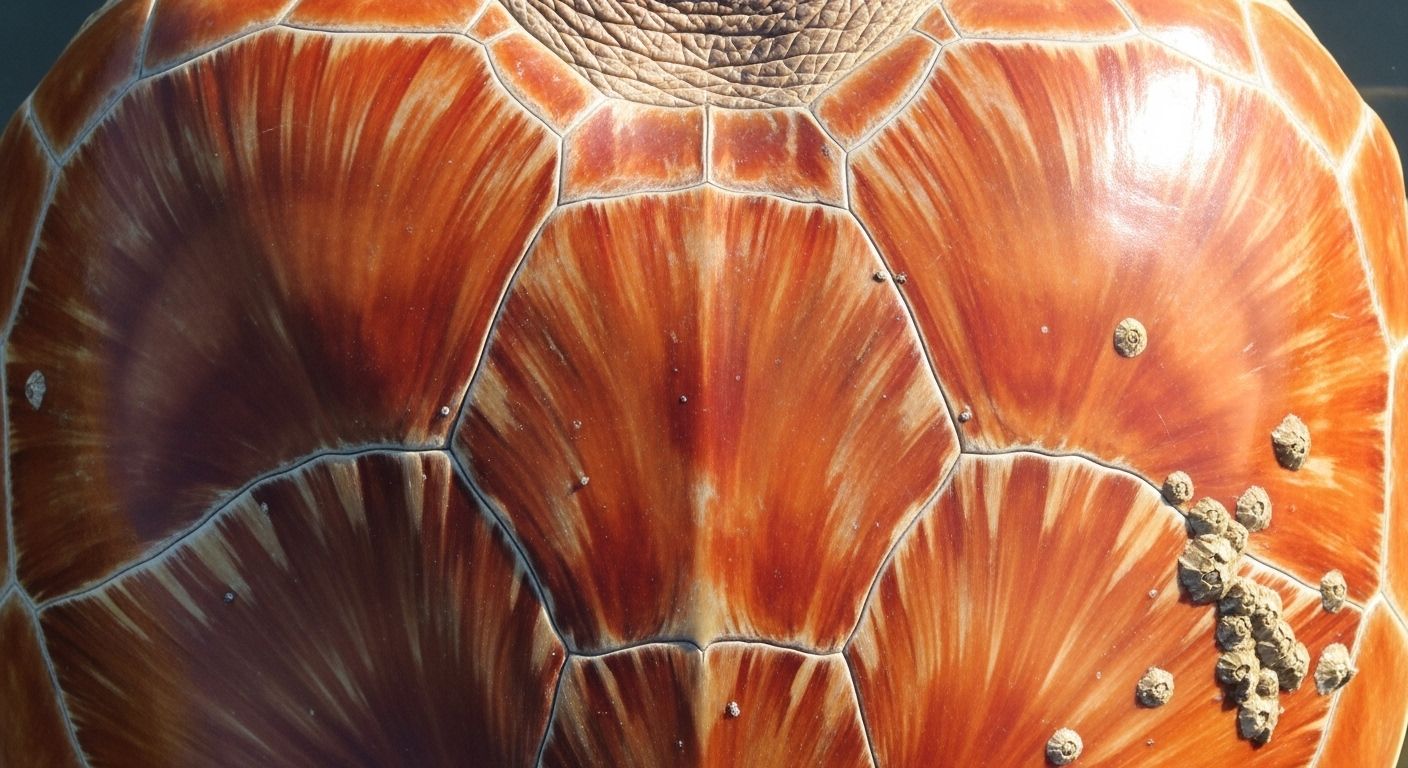
Ever seen a loggerhead shell up close and gone, *“Hold up—this thing survived the asteroid *and* the 1980s?”* Yeah, that’s the vibe. This ain’t some flimsy backpack—it’s a biomechanical fortress forged over 120 million years. Hard, ridged, caramel-brown with a backbone of bone and keratin fused like a Viking shield forged in saltwater. That loggerhead shell doesn’t just *carry* the turtle—it *is* the turtle. Think of it as a lifelong apartment, armor, and solar panel… all in one. Rent-free. Utilities included. Zero Wi-Fi, but hey—priorities.
Why Are Turtle Shells Illegal? (Spoiler: Not All Shells Are Created Equal)
Let’s clear the fog: it’s not *all* turtle shells that’ll land you in hot water—it’s the *trade*. Under the Endangered Species Act and CITES (Convention on International Trade in Endangered Species), selling or importing sea turtle parts—including shells—is a federal no-go. Why? Because back in the 60s–80s, “tortoiseshell” (mostly from hawksbills) was *the* bling for combs, sunglasses, and guitar picks. Demand nearly wiped ‘em out. Loggerheads? Also protected—not for their shell *per se*, but ‘cause their loggerhead shell = survival. No shell? No turtle. So yeah—owning a vintage bracelet? *Technically* legal if pre-1973. Trying to sell a fresh loggerhead shell on Etsy? That’s a one-way ticket to a very awkward chat with a federal agent named Karen.
What Is the Largest Hard Shell Sea Turtle? Cue the Drumroll…
Leatherbacks? Gorgeous, massive… but *soft*. No scutes. No bony plates. So if we’re talkin’ true *hard shell*—rigid, scute-covered, *clack-clack* when you tap it? Loggerheads and greens are the heavyweights. And between ‘em? The loggerhead takes the crown. Average carapace: 36 inches. Record-breaker? That 42.5-inch Carolina giant we keep whisperin’ about. Green turtles max out around 40 inches—but they’re smoother, lighter-framed. Loggerheads? Built like linebackers who moonlight as marine archaeologists. That loggerhead shell is denser, thicker, and—dare we say—*more dramatic*.
Do All Turtle Shells Have 13 and 28? Math, Myth, and Mesoamerican Mysticism
Ah, the “13 scutes + 28 marginal scutes” legend. Sounds like a moon calendar carved in bone—and honestly? It’s *mostly* true… for *some* species. Loggerheads? Typically: **5 vertebral + 4 pairs of costal = 13 central scutes**. Marginals? Usually 11–12 on each side → 22–24 total. Not 28. So where’d the 28 come from? Likely ancient Mesoamerican cosmology: 13 heavens + 28-day lunar cycle = sacred turtle symbolism. Cool? Absolutely. Biologically universal? Nah. Nature’s messy. Your average loggerhead shell follows the *spirit* of the pattern—but with regional dialects, mutations, and the occasional extra scute (like a typo in evolution’s draft). That’s real loggerhead shell poetry: sacred *and* slightly irregular.
Anatomy 101: How the Loggerhead Shell Is Built to Outlast Us All
Forget “shell”—this is a *composite marvel*. Top side (carapace)? Bone (ribs + spine *fused* into armor) + keratin scutes (like fingernails, but tougher). Bottom (plastron)? 9 bony plates, hinged fore and aft in some turtles—but loggerheads? Solid. No hinge. Built for crushing, not folding. Blood vessels and nerves run *through* the bone—yes, they *feel* it when you scratch. And unlike crabs or lobsters? They don’t molt. That loggerhead shell grows *with* them—layer by layer, year by year, like tree rings dipped in saltwater. Below’s a quick structural breakdown:
| Layer | Composition | Function |
|---|---|---|
| Outer Scutes | Beta-keratin (same as rhino horn) | Abrasion resistance, UV protection |
| Bony Carapace | Fused ribs, vertebrae, dermal bone | Impact absorption, muscle attachment |
| Periosteum | Vascularized connective tissue | Nourishment, shell repair |
| Plastron | 9 bony elements (e.g., epiplastron, xiphiplastron) | Abdominal protection, flipper pivot |
That loggerhead shell? It’s not just protection—it’s physiology, identity, and legacy—*all calcified*.
Can a Turtle Shell Withstand a Bullet? Let’s Not Find Out (But Here’s the Science)
Short answer: Depends on the bullet, the angle, and which turtle you’re disrespectin’. A .22 LR round at close range? Likely penetrates. A 9mm? Almost certainly. But here’s the twist: shells *do* stop *some* low-velocity impacts—birdshot, small shrapnel, crab claws (duh). Biomechanics studies show loggerhead carapace withstands ~1,000–2,000 N of force before fracturing—that’s like a 200-lb linebacker jumpin’ on it from waist height. Impressive? Yes. Bulletproof? Nope. And let’s be real: if you’re testin’ this, you’ve got bigger problems than turtle trivia. That loggerhead shell evolved for predators—not firearms.
Growth Rings, Scars & Sun Bleaching: Reading the Life Story in a Loggerhead Shell
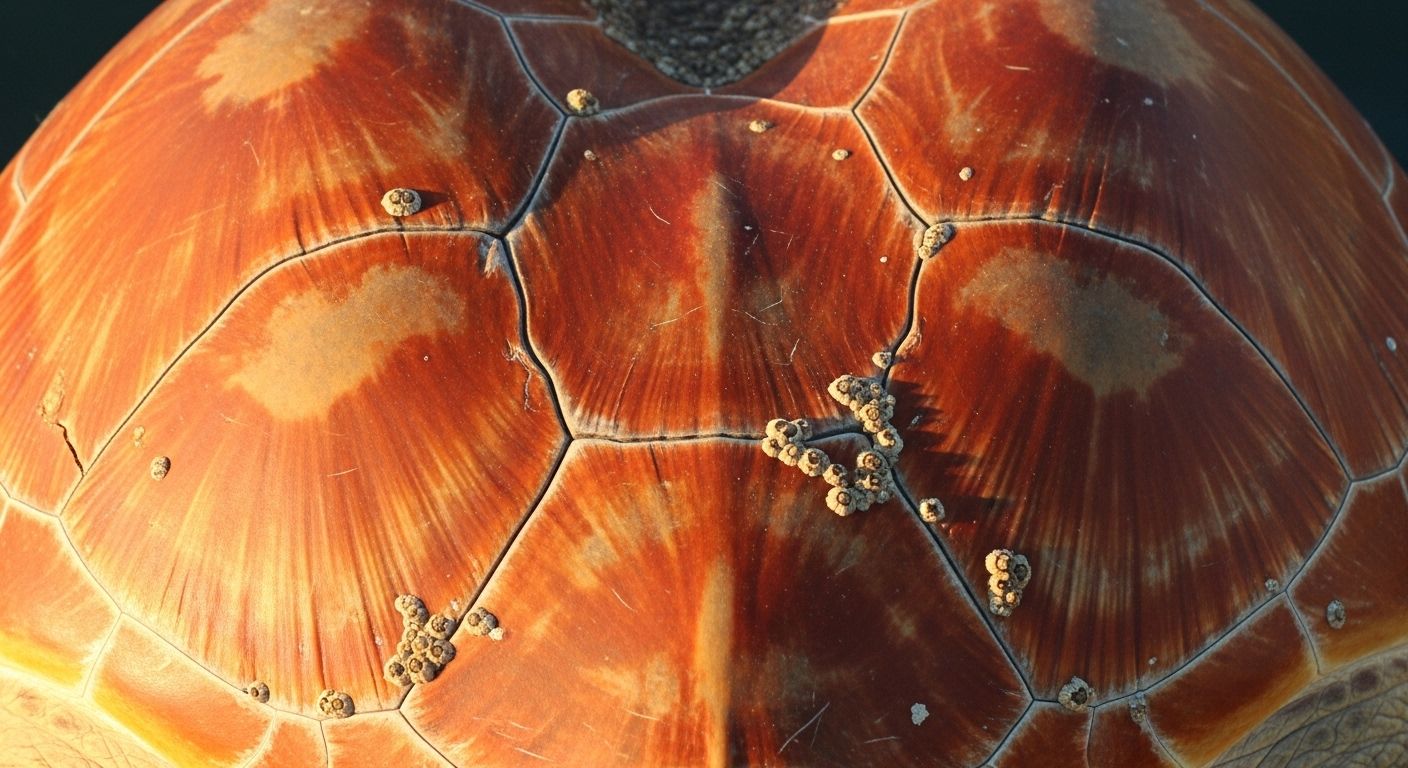
Each ridge on a loggerhead shell? Not just texture—it’s a *year*. Like trees, slow growth in winter = tighter rings. Fast feeding in summer = wider bands. Old injuries leave pits or asymmetrical scutes. Barnacle scars? Pale halos. Sun-bleached carapaces? That’s a Gulf Coast retiree. Biologists use these markers like diaries: *“This one fought a shark in ‘19. That one nested five times. That pale patch? Hurricane season, year three.”* The shell isn’t silent—it’s *screaming* its biography in calcium and keratin.
Threats to the Loggerhead Shell: Plastic, Boats, and the Slow Creep of Acidification
Plastic bags = jellyfish imposters → ingestion → gut blockage → malnutrition → thin, brittle shell. Boat strikes? Cause deep *propeller gashes*—sometimes survivable with rehab, sometimes fatal. And here’s the silent killer: ocean acidification. As pH drops, carbonate ions (needed for shell mineralization) vanish. Lab studies show hatchlings in acidified water develop softer, deformed loggerhead shell structures—like trying to build a brick house with wet clay. Protection isn’t just fences and patrols—it’s *chemistry*.
Rehab & Repair: When a Loggerhead Shell Gets Broken (Yes, They Can Heal)
Thanks to that vascularized periosteum, turtle shells *can* regenerate—slowly. At our rehab hubs, we’ve patched fractures with epoxy-resin composites, fiberglass, even 3D-printed scaffolds. One patient, *“Captain Patch”*, swam off with a titanium-reinforced plastron after a boat strike. Took 18 months. Shell healing? It’s part art, part engineering, all patience. Key rule: never seal a wound airtight—trapped bacteria = disaster. Let it *breathe*. Let it *knit*. That loggerhead shell will scar, but it’ll hold. Because resilience ain’t optional—it’s built in.
Where to Learn More About the Loggerhead Shell (No Lab Coat, Just Curiosity)
Ready to geek out deeper? Start at Sea Turtle Farm—our home base for shell science and soul. Dive into species anatomy over in our Biology section, or explore how shell development begins in the sand in our full deep-dive: common snapping turtle eggs hatch in wild nests. (Yes, snapping turt—different beast, same awe.) All real. All reverent. And zero shells were harmed in the making of these words.
Frequently Asked Questions
Why are turtle shells illegal?
Under U.S. law (ESA) and CITES, *selling or importing* sea turtle shells—including loggerhead shell parts—is illegal to prevent poaching and protect endangered populations. While antique pre-1973 items may be exempt, modern trade is strictly prohibited. The loggerhead shell is legally protected because it’s inseparable from the animal’s survival.
What is the largest hard shell sea turtle?
The loggerhead is the largest *true hard-shell* sea turtle, with verified specimens reaching 42.5 inches carapace length. While leatherbacks grow larger (up to 7 ft), their shells are leathery and lack bony scutes. Thus, for bony, scute-covered armor, the loggerhead shell holds the heavyweight title.
Do all turtle shells have 13 and 28?
No—this is a cultural/mnemonic pattern (13 scutes = moon cycles, 28 = days), not biological law. Loggerheads typically have 5 vertebral + 8 costal = 13 central scutes, but marginal scutes number 22–24, not 28. Variation is normal; the loggerhead shell follows functional design—not numerology.
Can a turtle shell withstand a bullet?
Generally, no. While a loggerhead shell can resist crab claws, bird beaks, and low-energy impacts (~1,000–2,000 N), it cannot stop most firearm projectiles. High-velocity rounds (e.g., 9mm) penetrate easily. The shell’s strength lies in ecological resilience—not ballistic protection.
References
- https://www.fisheries.noaa.gov/species/loggerhead-turtle
- https://seaturtles.org/shell-anatomy/
- https://www.iucnredlist.org/species/3854/115400895
- https://onlinelibrary.wiley.com/doi/abs/10.1002/jez.2415
- https://academic.oup.com/icb/article/57/6/1243/4565685
- https://www.sciencedirect.com/science/article/pii/S0022098118304321