Painted Turtle Terrarium Bioactive Trend
- 1.
So… You Wanna Keep a Painted Turtle? Let’s Talk Real Estate, Y’all
- 2.
Size Matters—And No, “It’ll Stay Small” Is a Lie
- 3.
Half Water, Half Land—The Basking Balance
- 4.
Light It Up: UVB Ain’t Optional, It’s Life or Death
- 5.
Temperature Tango: Warm Basking, Cool Water
- 6.
Filtration & Water Quality: Because Clean Water = Long Life
- 7.
Decor Do’s and Don’ts: Keep It Safe, Not Fancy
- 8.
Hatchlings vs. Adults: One Size Fits None
- 9.
Do Painted Turtles Do Well in Captivity? Only If You Nail the Basics
- 10.
Building a Legacy: Why Your Setup Echoes Beyond Four Walls
Table of Contents
painted turtle terrarium
So… You Wanna Keep a Painted Turtle? Let’s Talk Real Estate, Y’all
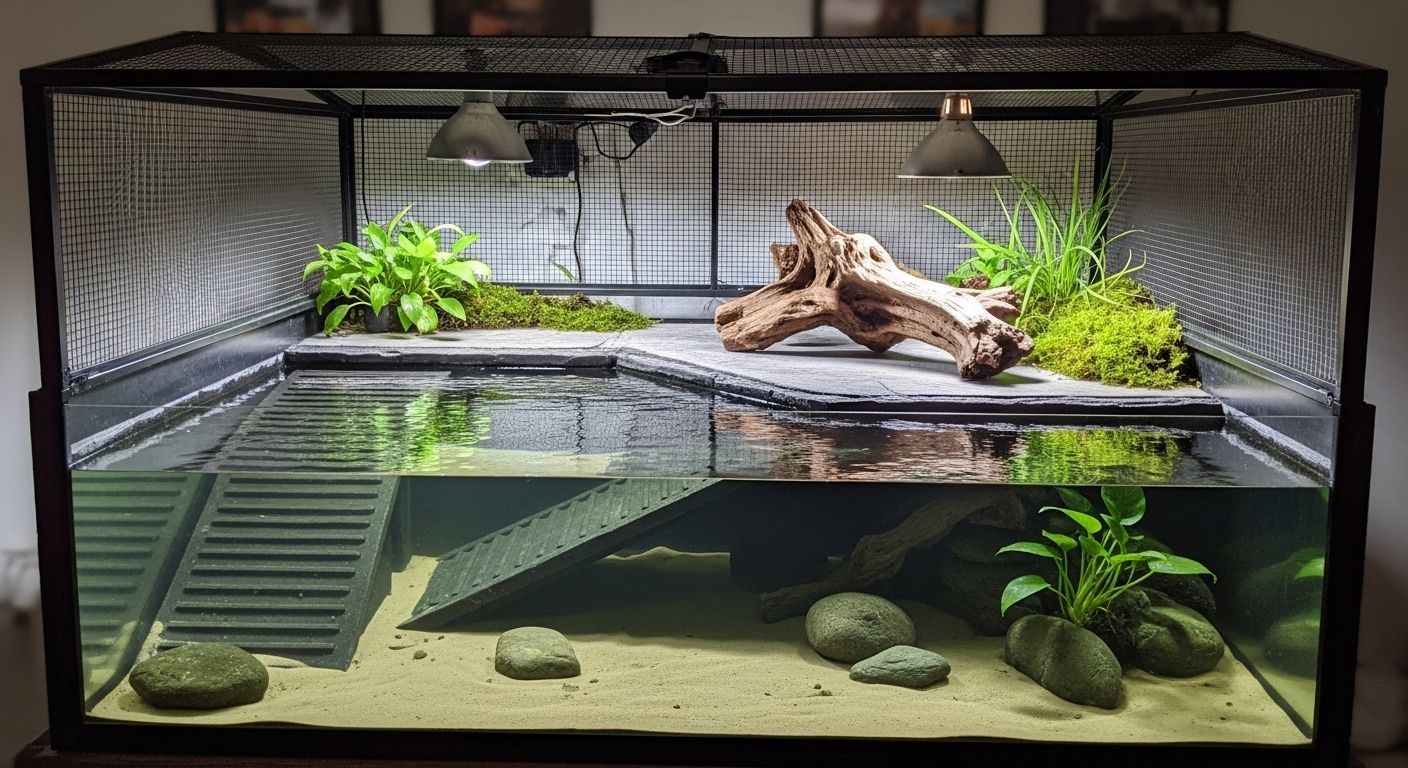
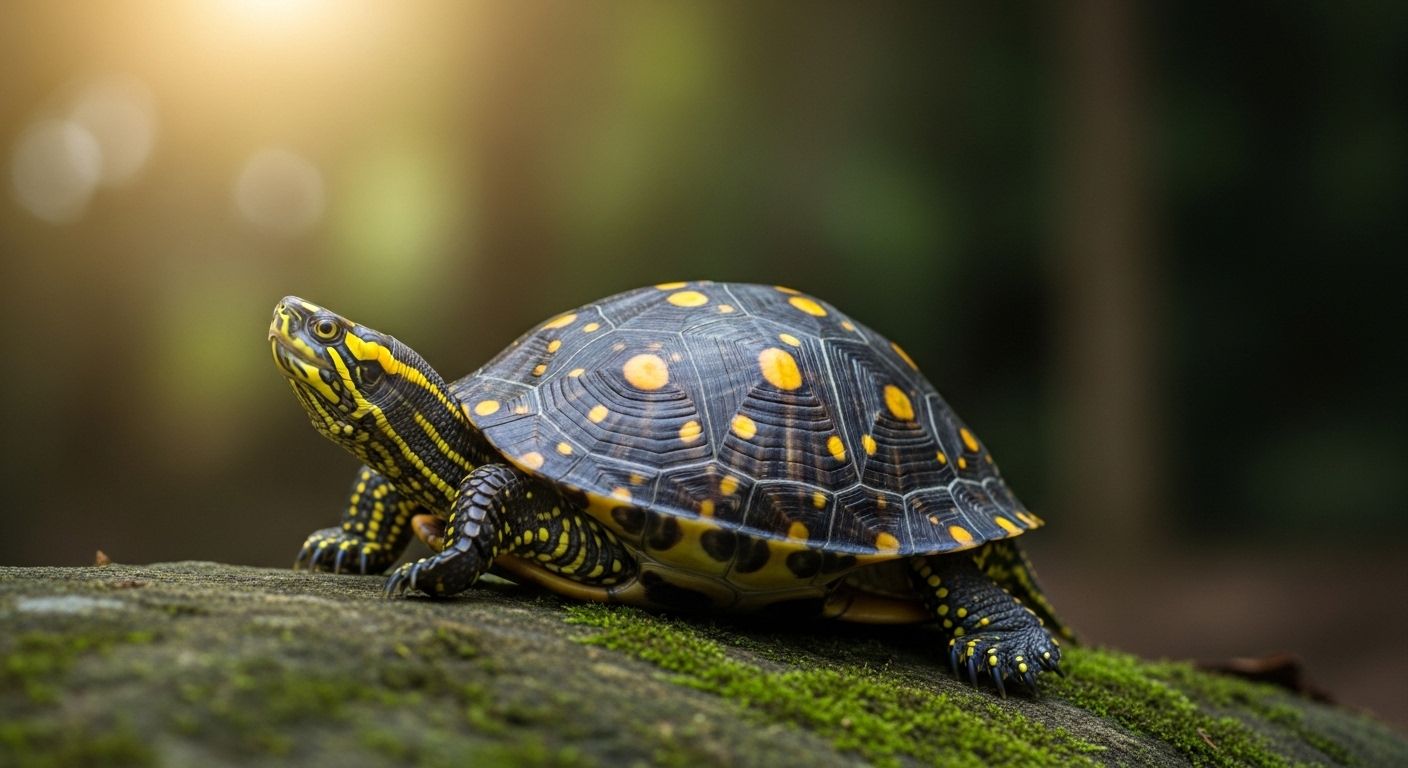
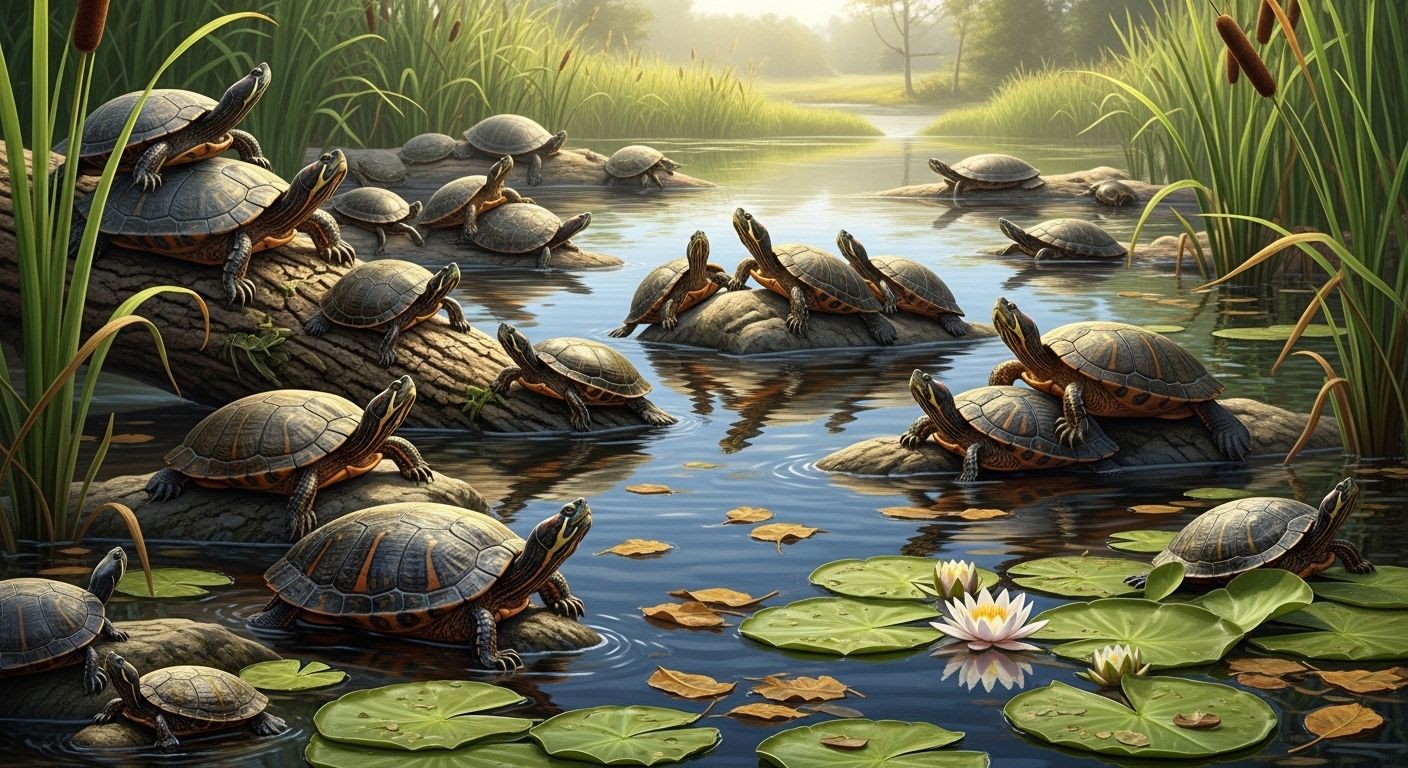
Alright, hold up—before you go buyin’ that cute little painted turtle from the pet store and ploppin’ it into a fish tank with a plastic palm tree, lemme ask ya this: do you *actually* know what a painted turtle terrarium is supposed to look like? ‘Cause spoiler alert—it ain’t a goldfish bowl with a ramp. These little fellers might be small, but they’re mighty particular about their digs. And if you get it wrong? Well, let’s just say your shelled roommate won’t be struttin’ in technicolor for long. We’ve seen too many folks treat ‘em like decor instead of living, breathing critters with legit needs. So grab your iced tea, kick off them boots, and let’s build a painted turtle terrarium that’d make even Mother Nature nod in approval [[1]].
Size Matters—And No, “It’ll Stay Small” Is a Lie
Here’s the cold, hard truth: **a painted turtle cannot live in a 10-gallon tank**—not as a juvenile, not as a baby, and absolutely not as an adult. That’s like tryin’ to raise a golden retriever in a shoebox. The rule of thumb? Ten gallons of water per inch of shell length. Since eastern painted turtles regularly hit 5–7 inches, you’re lookin’ at a 50- to 75-gallon setup minimum [[3]]. And don’t fall for those “starter kits” with tiny tanks—they’re marketing traps, plain and simple. A proper painted turtle terrarium gives ‘em room to swim, dive, explore, and stay healthy. Skimp on space, and you’ll pay for it in vet bills, stress, and a sad, listless turtle who’s just waitin’ for lights out.
Half Water, Half Land—The Basking Balance
Unlike fully aquatic turtles (lookin’ at you, sliders), painted turtles split their time between water and dry land—but they still need *plenty* of both. Your painted turtle terrarium should be roughly 70% water and 30% dry basking area. Why? ‘Cause these guys gotta haul out every single day to dry off, warm up, and soak in UVB rays. Without that dry dock, they’ll develop shell rot, fungal infections, or worse—metabolic bone disease. The platform should be stable, easy to climb, and large enough for them to stretch out fully. Think of it like their personal sun deck—and trust us, they take their R&R seriously [[6]].
Light It Up: UVB Ain’t Optional, It’s Life or Death
You can have the fanciest painted turtle terrarium in Texas, but if you skip the UVB lighting, you’re basically signing a death warrant. Painted turtles *need* UVB to synthesize vitamin D3, which lets ‘em absorb calcium. No UVB = soft shells, deformed limbs, and a slow, painful decline. Go for a T5 HO linear UVB tube (like Arcadia 12% or ZooMed Reptisun 10.0) that covers half the enclosure. Mount it inside the screen top—glass blocks UVB!—and replace it every 9–12 months, even if it still glows. This isn’t “extra”; it’s as essential as oxygen in a well-built painted turtle terrarium [[8]].
Temperature Tango: Warm Basking, Cool Water
Painted turtles are ectotherms, which means they rely on their environment to regulate body temp. So your painted turtle terrarium needs a thermal gradient. The basking spot should hit 85–90°F (use a heat lamp with a ceramic fixture—no plastic!), while the water stays between 72–78°F. Use a submersible aquarium heater with a protective guard (they’ll bite anything that moves!) to keep things stable. Too cold, and their immune system crashes; too hot, and they won’t bask. Get this balance right, and you’ve got a thriving, active turtle. Get it wrong, and you’ve got a vet visit on your hands [[9]].
Filtration & Water Quality: Because Clean Water = Long Life
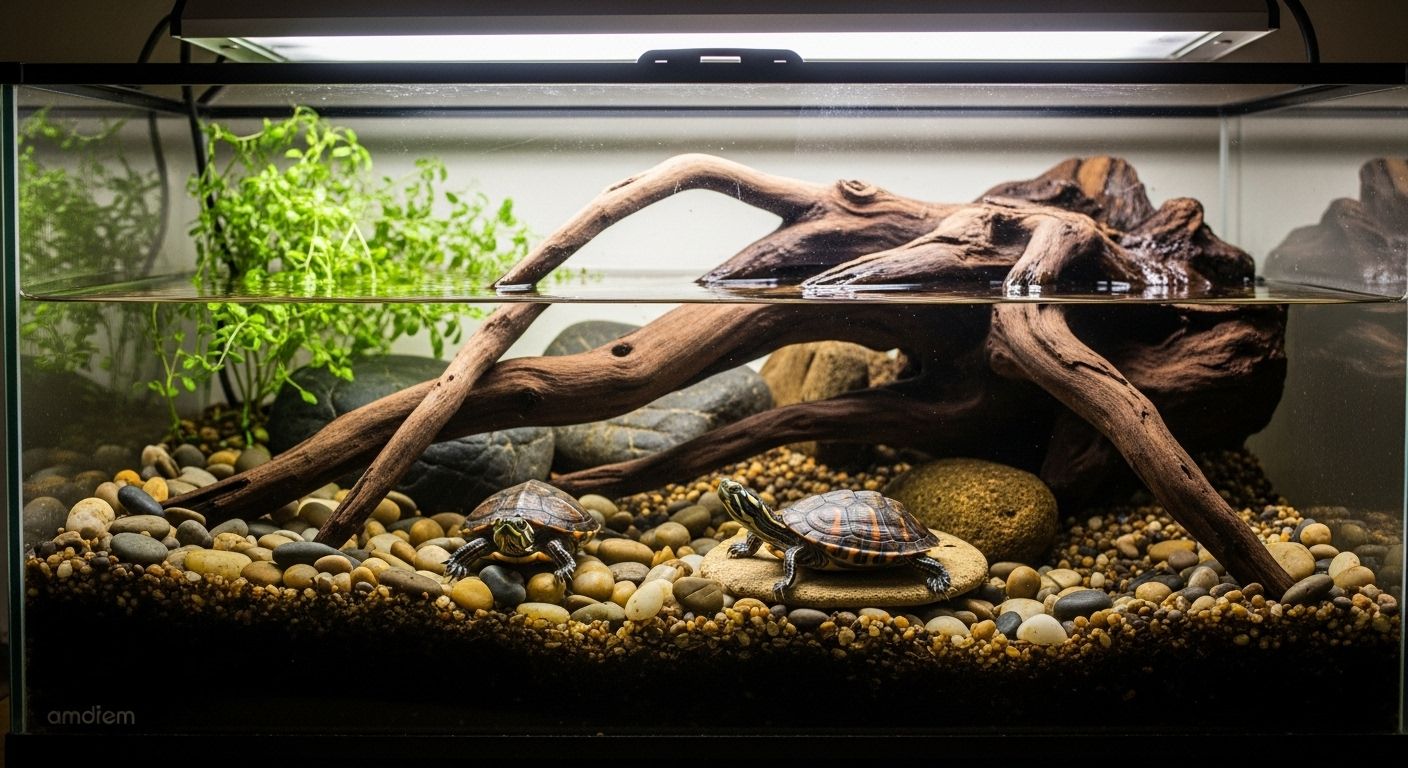
Let’s be real—painted turtles are messy. They eat like they’re training for a food truck championship and poop like it’s their job. That means your painted turtle terrarium needs serious filtration. We’re talkin’ a canister filter rated for *at least* 2–3 times your tank’s volume. Even then, you’ll still do weekly 25–50% water changes. Test your water for ammonia, nitrites, and nitrates—spikes in any of these will burn their eyes, damage their gills, and wreck their health. A clean, stable aquatic zone is non-negotiable in a responsible painted turtle terrarium [[11]].
Decor Do’s and Don’ts: Keep It Safe, Not Fancy
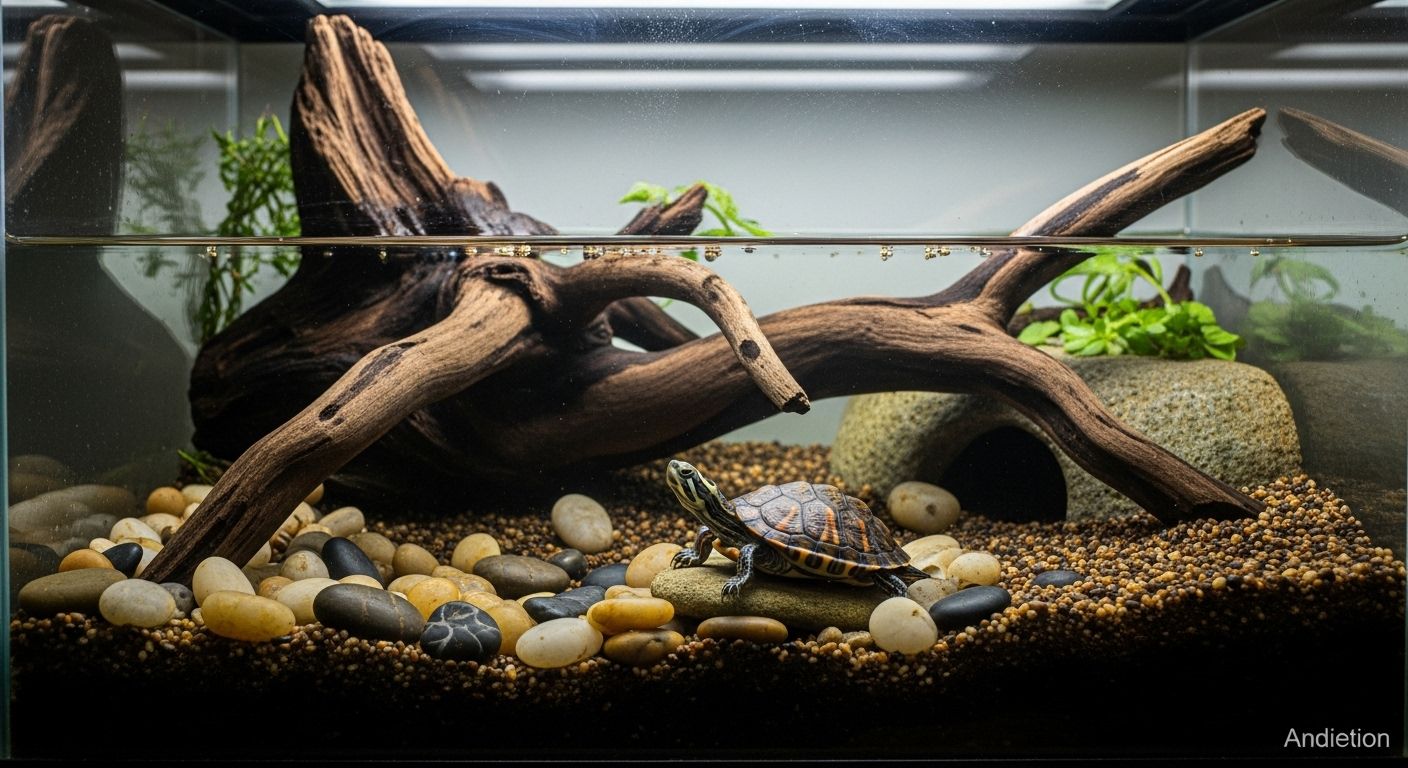
When styling your painted turtle terrarium, remember: function over flash. Smooth rocks, driftwood, and PVC pipes make great hiding spots and climbing structures. Avoid gravel—it’s a choking hazard. Skip sharp decorations or anything small enough to swallow (they’ll try). Live plants? Adorable, but doomed—they’ll get shredded faster than a pair of jeans at a rodeo. Fake silk plants are safer. And never use sand or fine substrate in the water zone; it clogs filters and irritates skin. Every item should serve a purpose: safety, enrichment, or utility [[13]].
Hatchlings vs. Adults: One Size Fits None
Don’t believe the myth that “it’ll stay small in a small tank.” Nope. Painted turtles grow fast—often hitting 3 inches in their first year. Planning your painted turtle terrarium means thinking long-term. Either start big (our vote) or be ready to upgrade within months. Pro tip: section off part of a large tank for a baby so they don’t feel lost, then open it up as they grow. This avoids multiple costly setups and keeps your turtle in a stable environment. After all, a well-planned painted turtle terrarium is a 20–30 year commitment—not a weekend project [[15]].
Do Painted Turtles Do Well in Captivity? Only If You Nail the Basics
Yes—but with a giant asterisk. Painted turtles *can* thrive in captivity, but only if their painted turtle terrarium mirrors their natural needs: clean water, proper heat, strong UVB, space to move, and mental stimulation. In subpar conditions, they become lethargic, stop eating, and succumb to preventable diseases. But in a thoughtfully designed setup? They’re curious, active, and can live for decades. Captivity success isn’t luck—it’s responsibility. And it all starts with getting that painted turtle terrarium right from day one [[17]].
Building a Legacy: Why Your Setup Echoes Beyond Four Walls
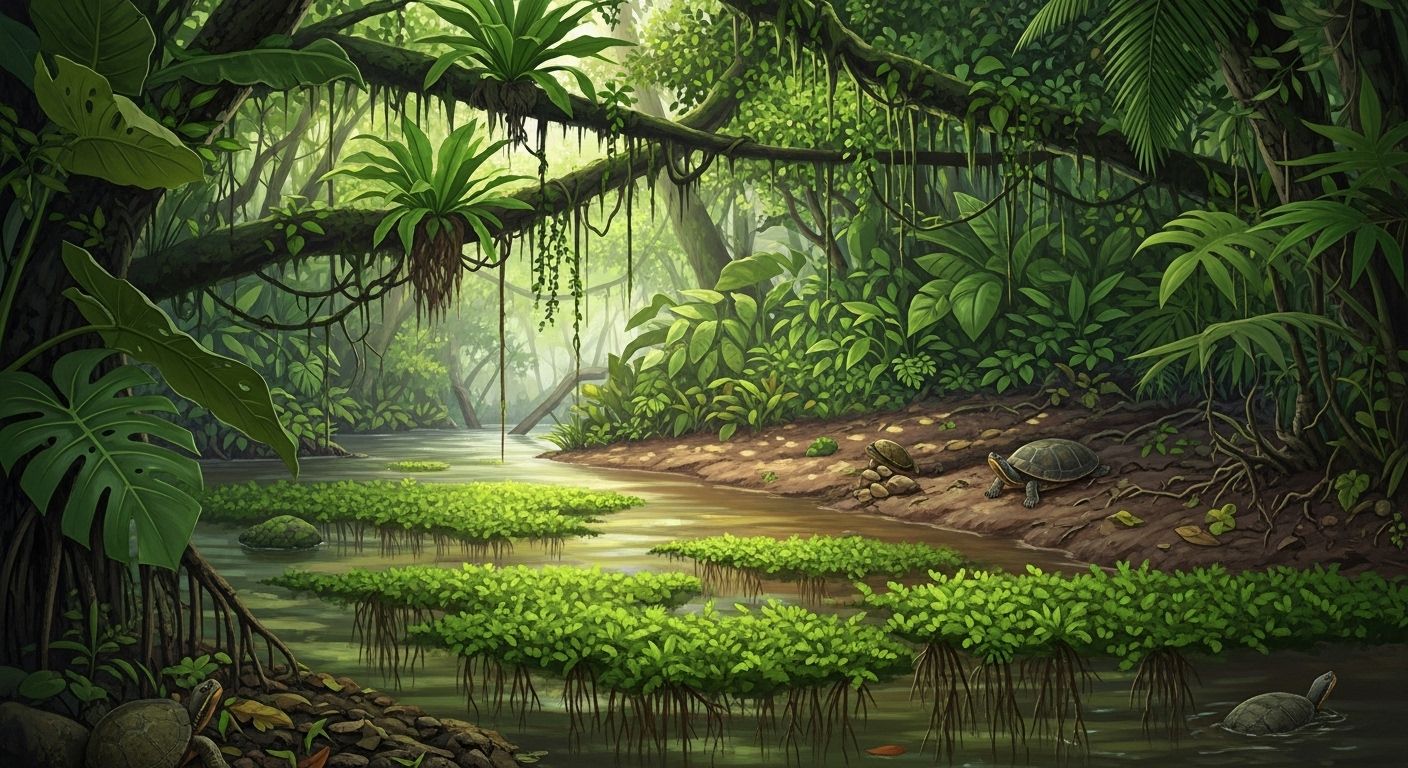
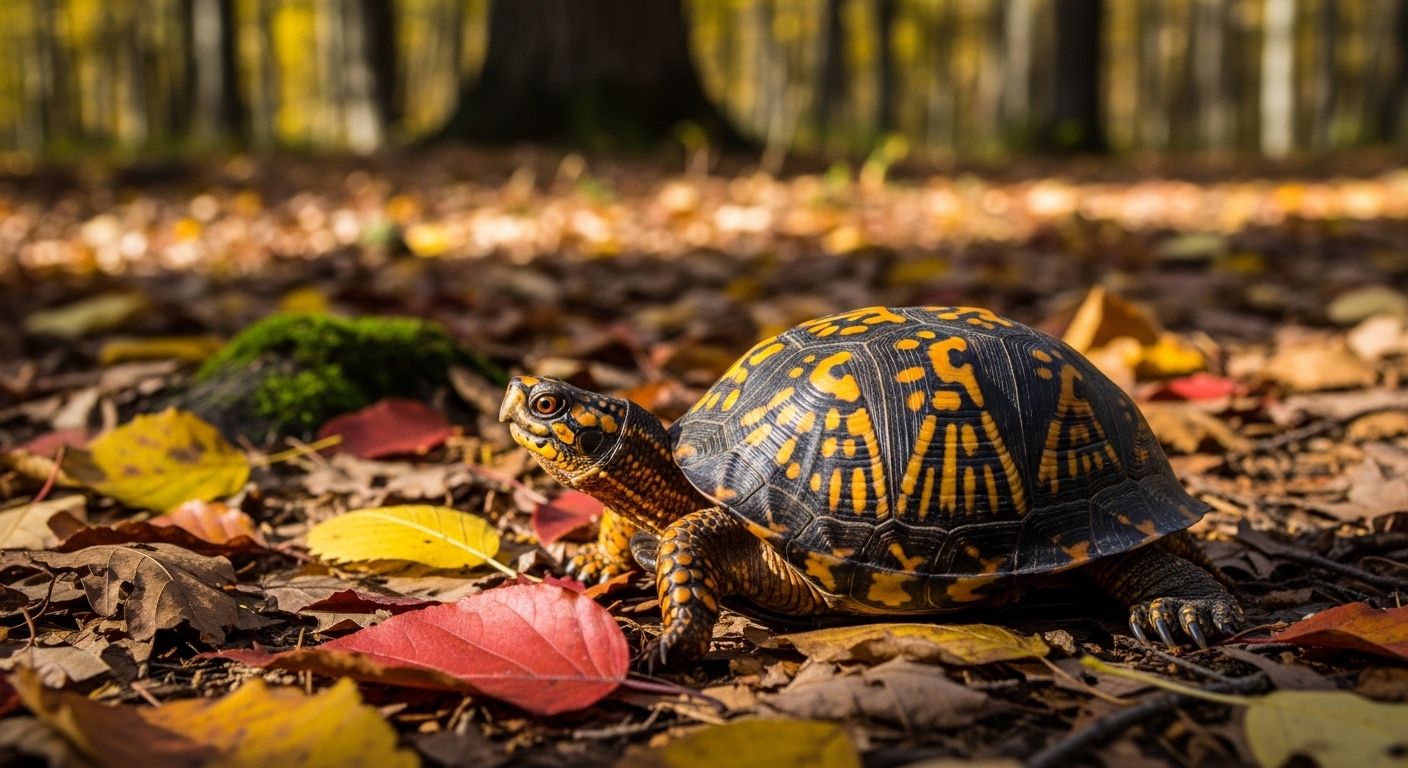
At the end of the day, crafting a proper painted turtle terrarium isn’t just about keeping a pet—it’s about honoring a wild soul that’s entrusted its life to your care. These turtles are native to North America’s ponds, marshes, and slow rivers, and by replicating that world indoors, we become stewards of their future. And if you’re fired up to learn more, swing by the homepage of Sea Turtle Farm, dive into our full collection under the Habitat category, or check out our deep dive on sulcata turtle habitat outdoor giant. Because whether it’s a painted turtle in your den or a desert tortoise in your backyard, habitat is everything.
Frequently Asked Questions
What does a painted turtle need in its habitat?
A painted turtle needs a spacious painted turtle terrarium with clean, filtered water; a dry basking platform; a heat lamp (85–90°F); a high-output UVB light; water temperature between 72–78°F; and safe, non-toxic decor. Both aquatic and terrestrial zones are essential for their health and natural behavior.
How big of a tank does a painted turtle need?
A painted turtle needs a minimum of 10 gallons of water per inch of shell length. For an adult (5–7 inches), that means a 50- to 75-gallon or larger painted turtle terrarium to ensure proper swimming space, water quality, and overall well-being.
Can a painted turtle live in a 10 gallon tank?
No, a painted turtle cannot live in a 10-gallon tank beyond a few weeks as a hatchling. It is far too small for even a juvenile and will lead to poor water quality, stress, stunted growth, and serious health issues in the painted turtle terrarium.
Do painted turtles do well in captivity?
Yes, painted turtles can do very well in captivity—but only if their painted turtle terrarium meets all their environmental needs: proper size, UVB lighting, heat, clean water, and space to bask and swim. In inadequate conditions, they suffer; in ideal setups, they thrive for decades.
References
- https://www.anapsid.org/painted.html
- https://www.reptilesmagazine.com/eastern-painted-turtle-care-sheet/
- https://www.petmd.com/reptile/care/eastern-painted-turtle-care-sheet
- https://www.thesprucepets.com/eastern-painted-turtle-care-sheet-1238612
- https://www.turtlecare.net/turtles/painted.htm
- https://www.chelonia.org/Articles/PaintedTurtleCare.htm
- https://www.backyardhabitats.com/painted-turtle-terrarium-setup/
- https://www.austinsturtlepage.com/Care/cs-eastern_painted.htm
- https://www.zoo-med.com/product/reptisun-10-0-t5-ho/
- https://www.arcadia-reptile.com/products/forest-12-t5-ho
- https://www.turtlerescue.org/care-sheets/painted-turtle
- https://www.reptilesmagazine.com/turtle-terrarium-setup-guide/
- https://www.petco.com/content/petco/PetcoStore/en_US/pet-services/resource-center/caresheets/eastern-painted-turtle.html
- https://www.thesprucepets.com/turtle-tank-size-guide-1238609
- https://www.nationalgeographic.com/animals/reptiles/facts/painted-turtle