Virginia Box Turtle Native Rare Hunt
- 1.
Ever Found a Virginia Box Turtle Starin’ Back at You from Your Flowerbed?
- 2.
What Exactly Is a Virginia Box Turtle, Anyway?
- 3.
Where Does the Virginia Box Turtle Call Home?
- 4.
Are Eastern Box Turtles Rare? Well… It’s Complicated.
- 5.
What Should I Do If I Find a Box Turtle in My Yard?
- 6.
Is It Illegal to Keep a Wild Eastern Box Turtle?
- 7.
Is It Okay to Touch a Box Turtle? Maybe… But Should You?
- 8.
Lifespan, Diet, and Daily Rhythms of the Virginia Box Turtle
- 9.
Threats Facing the Virginia Box Turtle Today
- 10.
Why the Virginia Box Turtle Deserves Our Protection
Table of Contents
virginia box turtle
Ever Found a Virginia Box Turtle Starin’ Back at You from Your Flowerbed?
If you’ve ever stepped barefoot onto your dewy Virginia lawn at dawn and locked eyes with a slow-blinking, dome-shelled creature that looks like it just rolled outta a Civil War-era dream—congrats, y’all just met a virginia box turtle. And no, it ain’t lost. This little fella’s been roaming these hills longer than your great-great-granddaddy’s still. The virginia box turtle, a local flavor of the eastern box turtle (Terrapene carolina carolina), is as much a part of Old Dominion soil as dogwood blossoms and sweet tea. But here’s the kicker: while they’re common in spirit, their numbers are quietly slipping—and how we treat ‘em matters more than ever.
What Exactly Is a Virginia Box Turtle, Anyway?
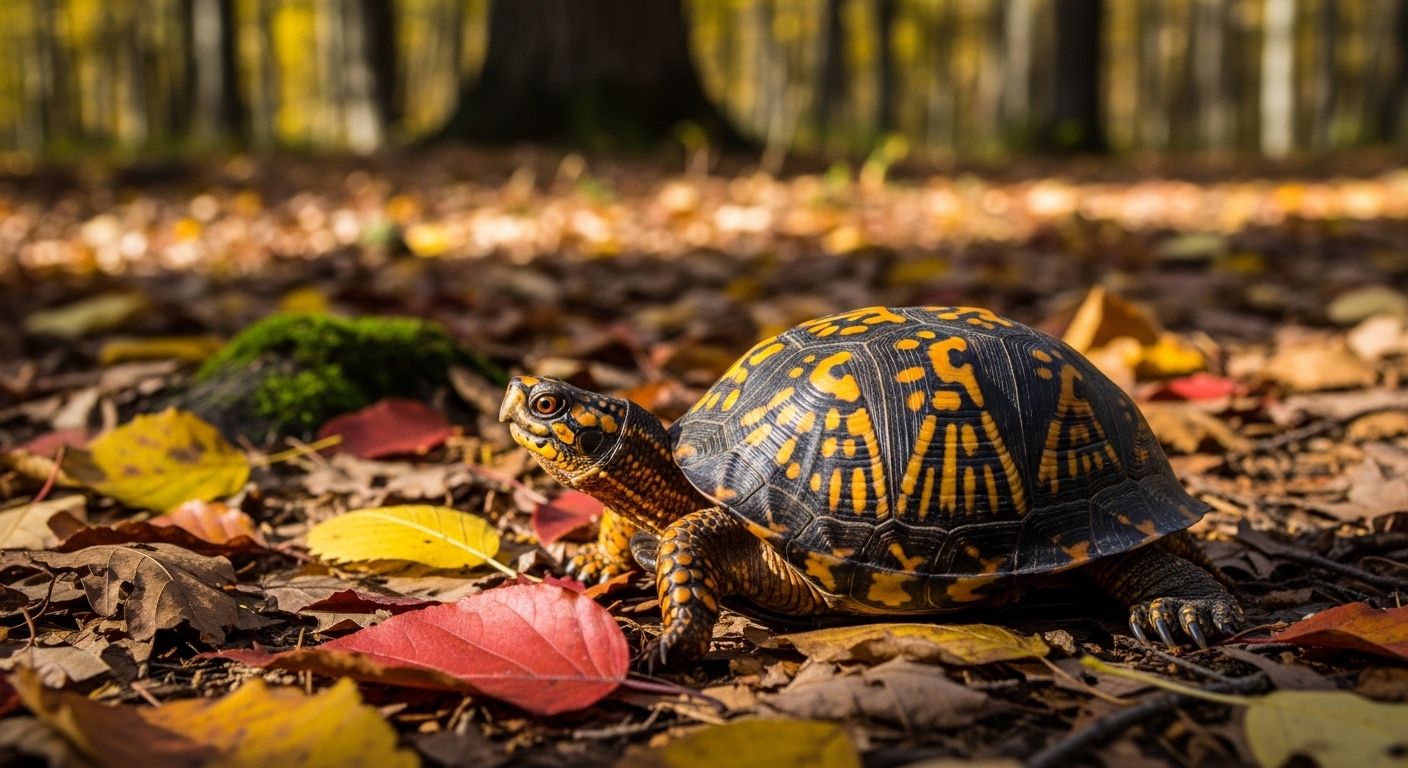
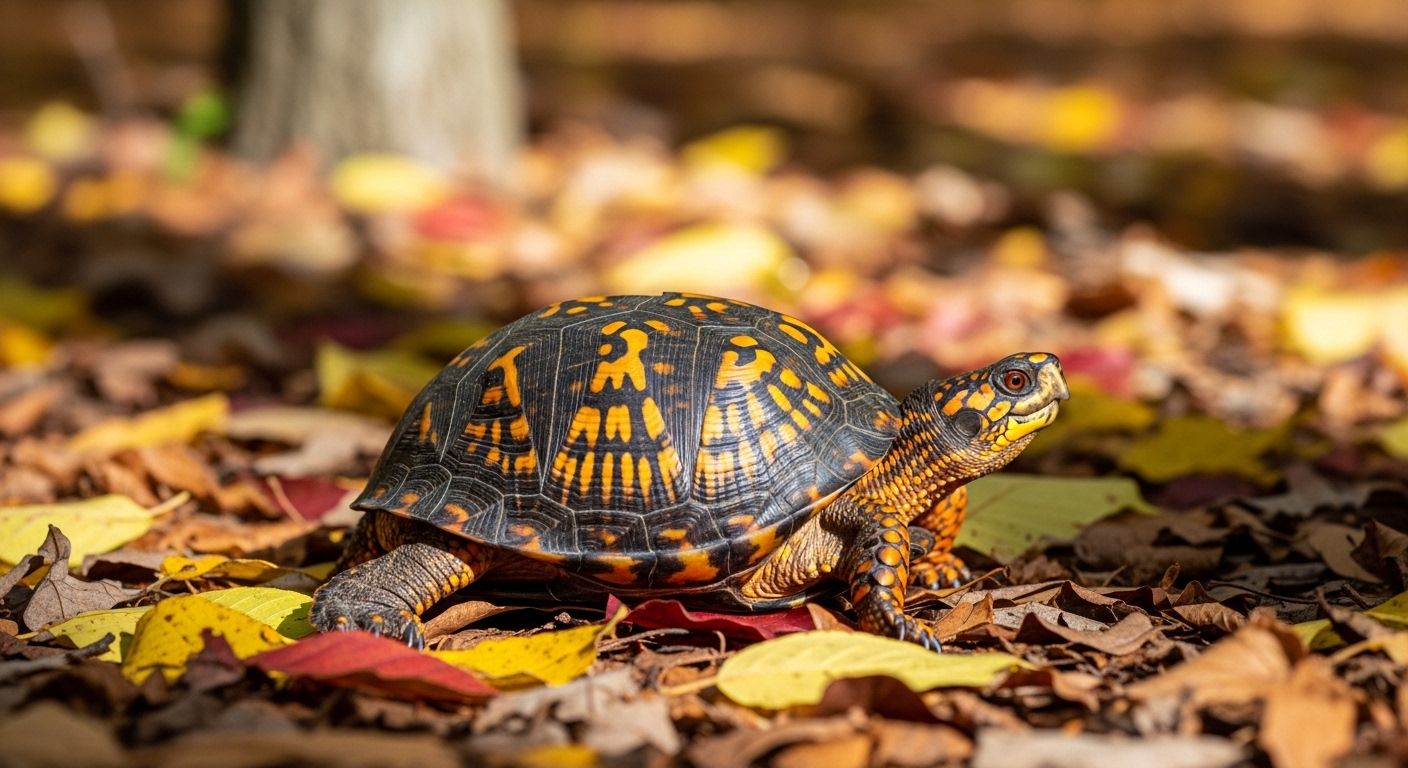
Picture this: a living jewel with a hinged shell that snaps shut like a stubborn lunchbox, bright yellow flecks dappled across an olive-brown carapace, and eyes that hold centuries of forest whispers. That’s your virginia box turtle. Unlike pond turtles or sliders, this land-loving reptile rarely swims—it prefers leaf litter, meadows, and the soft edges of woodlands where mushrooms sprout and earthworms wiggle. Males often sport red eyes and thicker tails; females? Darker eyes and a slightly higher-domed shell. And don’t let that slow crawl fool ya—this critter’s got survival instincts sharper than a fox’s tooth. A healthy virginia box turtle can live 50 years… even 100 if it dodges roads, predators, and well-meaning humans who think it’d look cute in a kiddie pool.
Where Does the Virginia Box Turtle Call Home?
From the Blue Ridge foothills to the coastal plains near Norfolk, the virginia box turtle thrives in mixed hardwood forests, overgrown fields, and even suburban backyards—if the habitat’s right. They need moisture, cover, and access to both sun and shade. Think rotting logs, berry brambles, and patches of clover. Curiously, many stay within a one-acre radius their whole lives. Yep—that turtle in your yard? Might’ve been born under that very oak tree. Sadly, development fragments these micro-territories, stranding populations. So when you spot a virginia box turtle crossing your driveway, it’s not “wandering”—it’s on a mission, maybe to lay eggs or find a mate it hasn’t seen since last spring.
Are Eastern Box Turtles Rare? Well… It’s Complicated.
“Are eastern box turtles rare?” Good question—and the answer’s layered like a good biscuit. Statewide, the virginia box turtle isn’t federally listed as endangered, but Virginia classifies it as a “Species of Greatest Conservation Need.” Why? Because while you might see one every summer, long-term studies show populations declining by up to 50% in some counties over the past 30 years. Habitat loss, roadkill (they move slow, cars don’t), and illegal pet trade all chip away at their future. So no, they’re not *rare* like ivory-billed woodpeckers—but they’re far from secure. Every virginia box turtle you leave undisturbed is a vote for wild Virginia.
What Should I Do If I Find a Box Turtle in My Yard?
Alright, so there it is—your virginia box turtle, chillin’ near the hydrangeas like it pays rent. First rule? Don’t panic. Second? Don’t scoop it up “to keep it safe.” Unless it’s injured or stranded on a busy road, the best thing you can do is… nothing. Seriously. These turtles know their terrain better than your GPS. If it’s nesting season (May–July), she might be digging a flask-shaped hole to lay 3–8 eggs. Watch from a distance—maybe snap a pic—but never relocate it. Moving a virginia box turtle even a mile can disorient it for life. If it’s clearly hurt (cracked shell, lethargic), call a licensed wildlife rehabber—never try DIY fixes.
Is It Illegal to Keep a Wild Eastern Box Turtle?
Here’s where things get real: is it illegal to keep a wild eastern box turtle? In Virginia? **Yes.** As of 2022, it’s against state law to take, possess, sell, or transport any wild-caught eastern box turtle—including the virginia box turtle—without a scientific collection permit. That means no “borrowing” one from the woods for your kid’s science project, no keeping “just one” in a terrarium. The law exists because demand for pets fueled population crashes elsewhere, and Virginia’s playin’ defense. Captive-bred turtles? Legal with proper paperwork. But wild ones? Hands off. Respect the virginia box turtle as wildlife—not décor.
Is It Okay to Touch a Box Turtle? Maybe… But Should You?
Technically, touchin’ a virginia box turtle won’t electrocute you—but it’s still a bad idea. Their skin and shells host natural oils and microbes that protect them; human hands transfer soap residue, lotions, or bacteria that can make ‘em sick. Plus, stress from handling can suppress their immune system. And let’s be real: most turtles hate it. That closed shell? That’s them sayin’, “Back off, pal.” If you *must* move one off a road, use gloves or a shovel, lift gently from both sides (never by the tail!), and place it in the direction it was headin’. Then wash your hands. Remember: the virginia box turtle isn’t a toy—it’s a neighbor.
Lifespan, Diet, and Daily Rhythms of the Virginia Box Turtle
A wild virginia box turtle wakes with the sun, basking on a mossy log to warm its blood before foraging for earthworms, slugs, berries, mushrooms—even carrion. They’re omnivores with gourmet taste: studies show they prefer protein-rich meals in spring and switch to fruits in late summer. Hydration comes from dew, puddles, or juicy plants—no fancy water bowls needed. Below’s a quick snapshot:
| Aspect | Detail |
|---|---|
| Lifespan | 40–100 years |
| Diet | Omnivorous: insects, fungi, berries, greens |
| Activity | Diurnal; avoids midday heat in summer |
| Hibernation | Oct–Mar; burrows into leaf litter or soil |
This rhythm—seasonal, patient, attuned to rain and root—makes the virginia box turtle a quiet barometer of ecosystem health. When they vanish, something’s outta balance.
Threats Facing the Virginia Box Turtle Today
It ain’t easy bein’ a virginia box turtle in the 21st century. Beyond habitat fragmentation, they face:
- Road mortality: Slow movement = high risk during nesting migrations
- Pet trade poaching: Despite laws, illegal collection persists
- Pesticides: Reduce insect prey and poison directly
- Climate shifts: Alters hibernation cues and hatchling sex ratios
One study estimated that removing just three adult virginia box turtles from a local population can trigger long-term decline—because they reproduce slowly and mature late (around age 7–10). So yeah, that “harmless” act of taking one home? It ripples.
Why the Virginia Box Turtle Deserves Our Protection
We protect the virginia box turtle not just ‘cause it’s cute (though, admit it—it is), but because it’s a thread in Virginia’s ecological tapestry. It controls pest insects, spreads fungal spores vital for forest health, and connects generations through its ancient presence. Culturally, it’s a symbol of patience, resilience, and groundedness—values this fast-paced world sorely needs. Whether you’re a farmer in Shenandoah Valley or a teacher in Richmond, the fate of the virginia box turtle reflects our shared stewardship.
Curious about other native species? Start at Sea Turtle Farm, browse our full directory in the Species hub, or dive into another colorful character with our feature: Turtle With Yellow Spots on Shell: Spotted Gem.
Frequently Asked Questions
What should I do if I find a box turtle in my yard?
If you find a virginia box turtle in your yard, observe it from a distance and avoid handling. Do not relocate it—these turtles have small home ranges and may become disoriented. Only intervene if it’s injured or in immediate danger (e.g., on a road); then, gently move it in the direction it was heading. Never keep it as a pet; wild virginia box turtles are protected by Virginia law.
Is it illegal to keep a wild eastern box turtle?
Yes, in Virginia, it is illegal to possess, sell, or transport a wild-caught eastern box turtle—including the virginia box turtle—without a state-issued scientific collection permit. This law, enacted to curb population declines, applies to all individuals. Captive-bred specimens may be kept legally with proper documentation, but wild virginia box turtles must remain in their natural habitat.
Are eastern box turtles rare?
While not federally listed as endangered, the virginia box turtle (a subspecies of the eastern box turtle) is considered a “Species of Greatest Conservation Need” in Virginia due to documented population declines. Habitat loss, road mortality, and illegal collection have reduced numbers significantly in some areas. Though still encountered regularly, the virginia box turtle is far less abundant than in past decades and requires ongoing protection.
Is it okay to touch a box turtle?
It’s best to avoid touching a virginia box turtle. Human contact can transfer harmful bacteria or chemicals to their skin and shell, and handling causes significant stress. If you must move one—for example, off a roadway—use gloves or a flat object, support its body fully, and place it facing its original direction. Always wash your hands afterward. Remember, the virginia box turtle is wildlife, not a pet.
References
- https://www.dgif.virginia.gov/wildlife/information/eastern-box-turtle/
- https://www.iucnredlist.org/species/21645/129502538
- https://vawildlife.org/box-turtle-conservation/
- https://www.nature.org/en-us/about-us/where-we-work/united-states/virginia/stories-in-virginia/protecting-box-turtles/