Mud Turtle Habitat Bottom Dweller Secret
- 1.
What Is the Best Habitat for a Mud Turtle?
- 2.
What Size Tank Do You Need for a Mud Turtle?
- 3.
Do Mud Turtles Make Good Pets? Only If You Know What You’re Signin’ Up For
- 4.
How Big Do Mud Turtles Get? Smaller Than You Think, But Mighty All the Same
- 5.
Building the Perfect Indoor Mud Turtle Habitat
- 6.
Lighting & Temperature: Less Is More (But Not Nothing)
- 7.
Water Quality: Clean, Cool, and Calm
- 8.
Diet: Carnivore-Leaning Omnivores with a Taste for the Wild
- 9.
Common Mistakes That Stress Out Mud Turtles
- 10.
Leveling Up Your Mud Turtle Habitat Game
Table of Contents
mud turtle habitat
What Is the Best Habitat for a Mud Turtle?
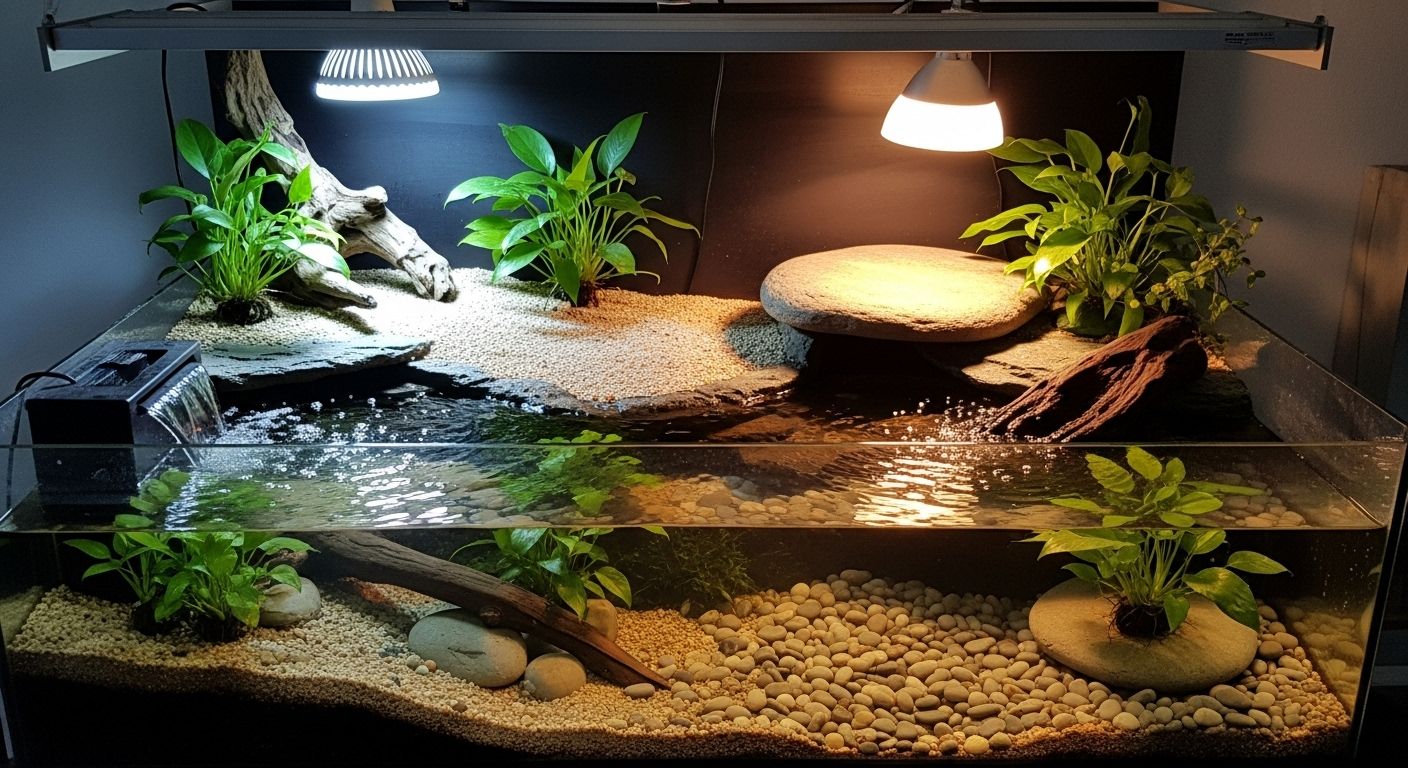
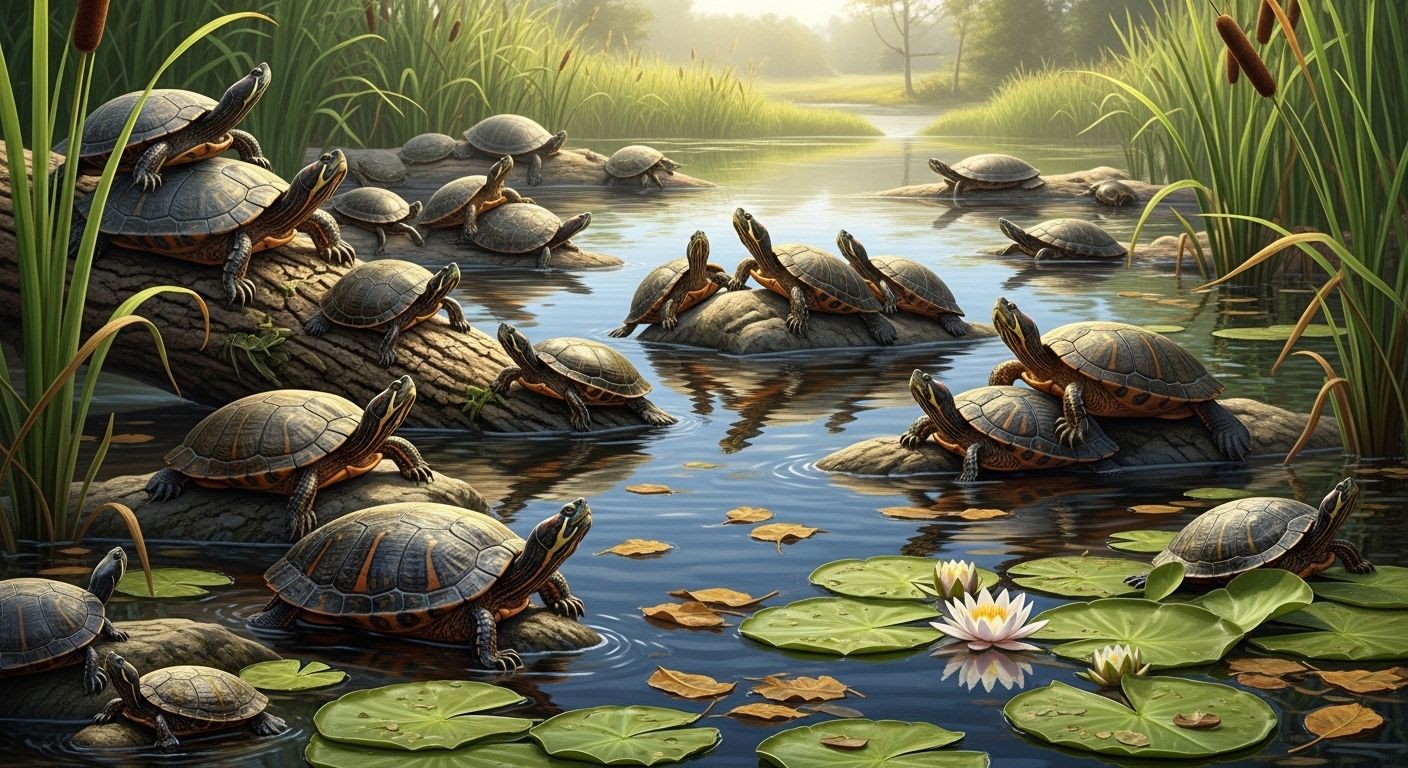
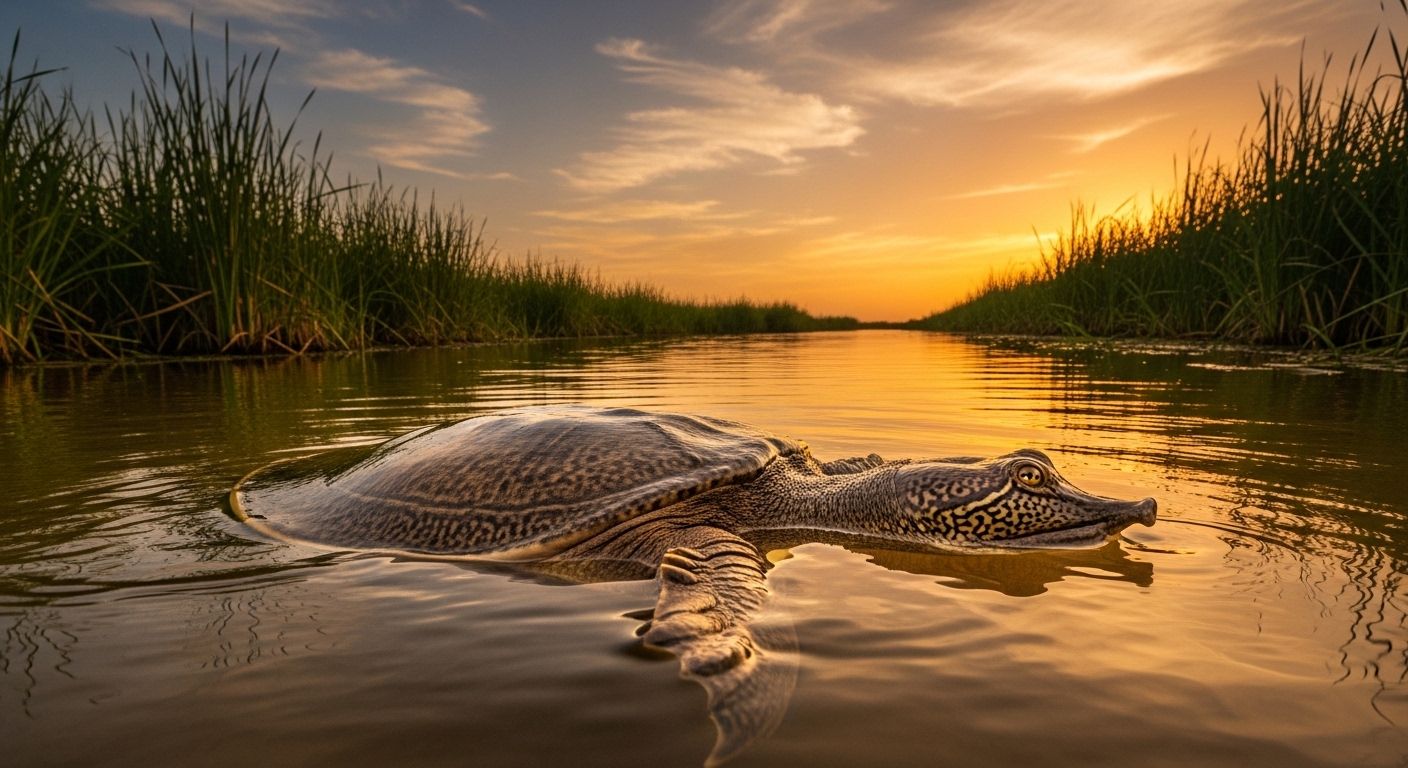
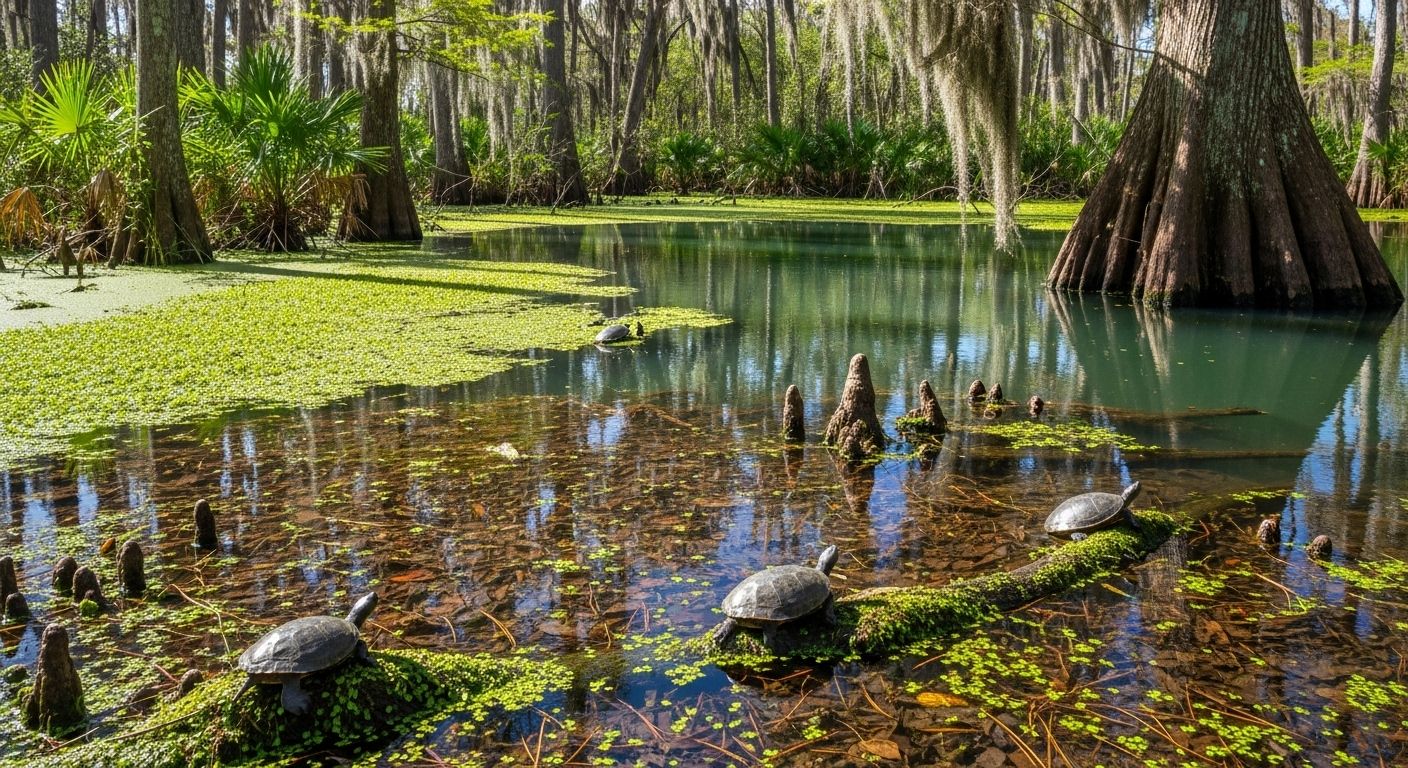
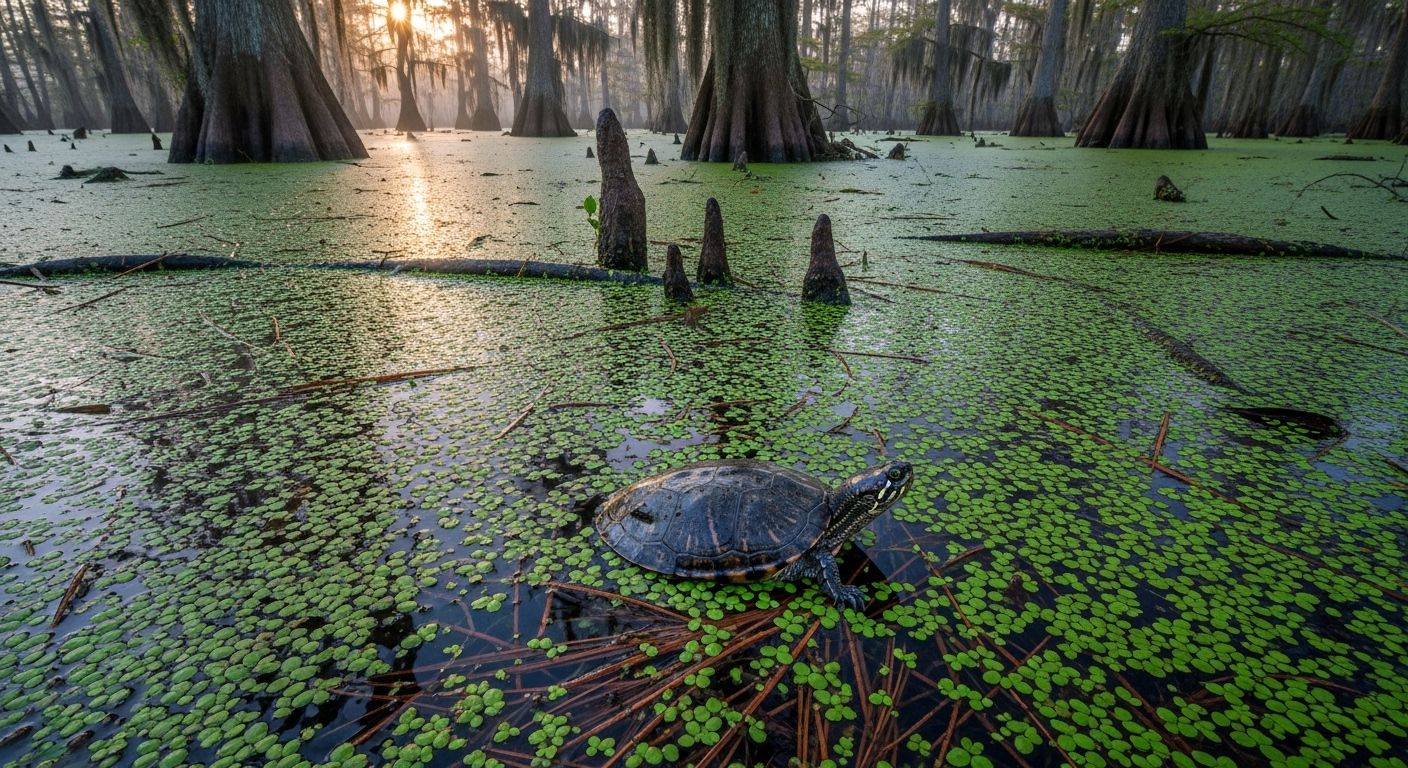
Ever seen a mud turtle just sittin’ like it’s meditatin’ in the muck? That’s not laziness—that’s peak turtle contentment. The best mud turtle habitat ain’t flashy; it’s functional, damp, and full of quiet corners where these little bottom-dwellers can vanish like swamp ghosts. Native to slow-moving creeks, marshes, and cypress swamps across the southeastern U.S., mud turtles thrive in shallow, vegetated water with soft substrates and plenty of cover [[7]]. Indoors, that means a tank with 6–10 inches of water (deep enough to swim, shallow enough to reach the surface easily), a muddy or sandy bottom, hiding spots galore, and a dry basking area—even if they use it less than other turtles. Keep it simple, keep it murky, and for Pete’s sake, don’t over-decorate. These guys prefer “moody swamp” over “aquarium showroom.”
What Size Tank Do You Need for a Mud Turtle?
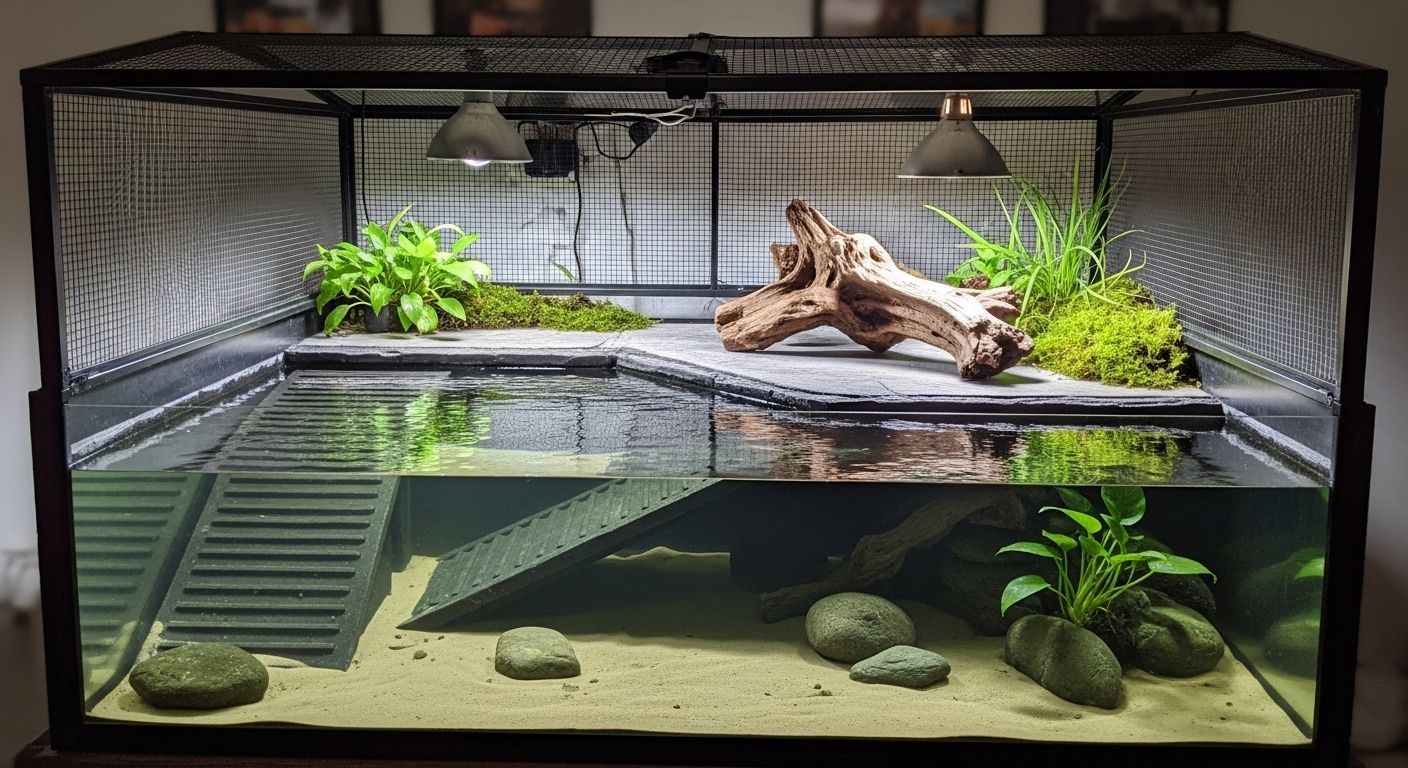
Don’t let their small size fool ya—mud turtles may only grow to 4–5 inches, but they still need room to roam. A single adult needs a minimum of a 40-gallon breeder tank (36” x 18” x 15”) [[12]]. Why breeder? ‘Cause it’s wide, not tall—and mud turtles ain’t climbin’ cliffs. For two turtles? Bump it up to 75 gallons. And skip the vertical glass tanks; horizontal space matters more than depth. Remember: even though they’re shy, they’ll pace and stress out if cramped. Your mud turtle habitat should feel like a hidden creek bend—not a shoebox with water.
Do Mud Turtles Make Good Pets? Only If You Know What You’re Signin’ Up For
Mud turtles are low-key, quiet, and kinda mysterious—but they ain’t “beginner pets” like some folks claim. They rarely bask, hide most of the day, and won’t come when called (shockin’, we know). But if you appreciate subtle beauty and don’t need a pet that performs tricks, they’re solid companions. Just know this: they can live 30–50 years [[15]], so this ain’t a summer fling. A proper mud turtle habitat requires consistent water quality, cool temps (they prefer 70–78°F), and minimal handling—they’re observers, not cuddlers. Treat ‘em with respect, and they’ll reward you with decades of quiet coexistence.
How Big Do Mud Turtles Get? Smaller Than You Think, But Mighty All the Same
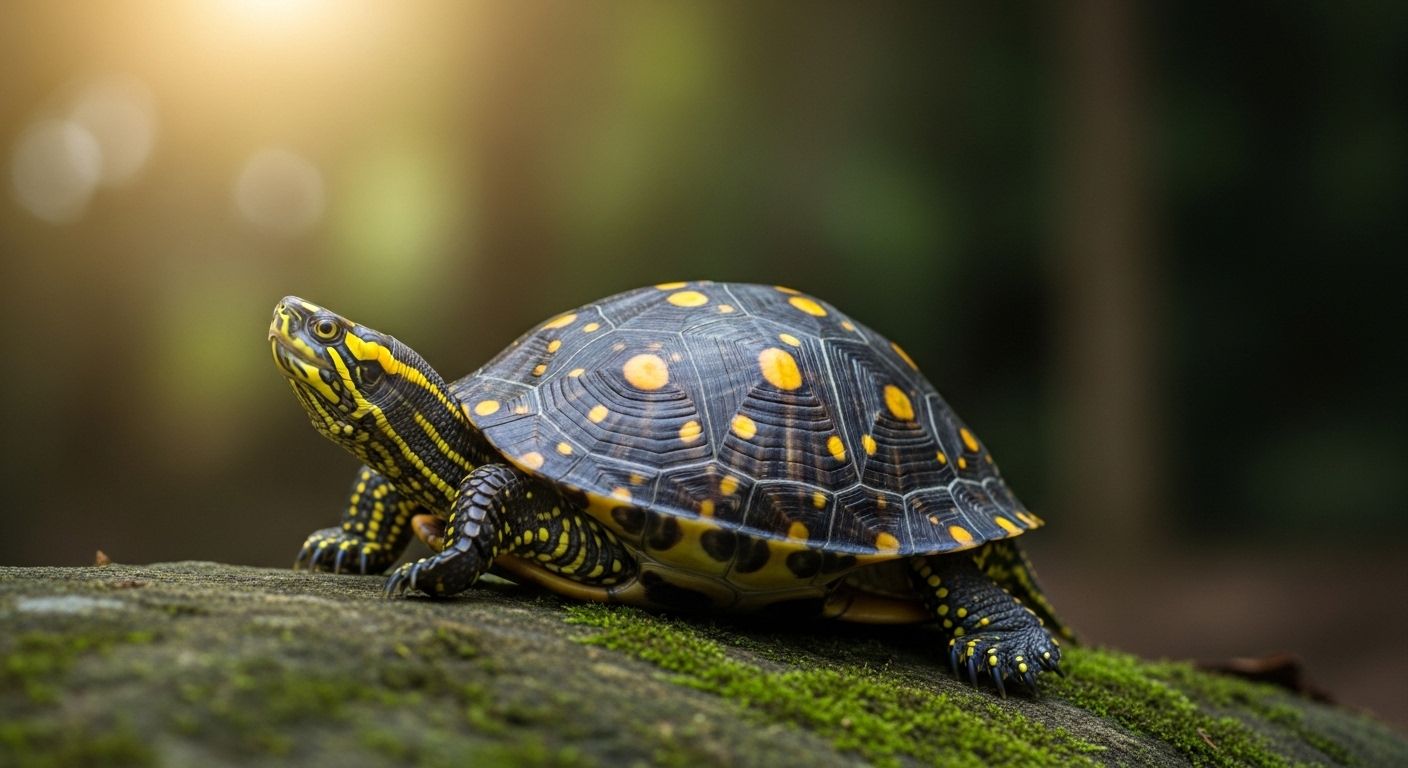
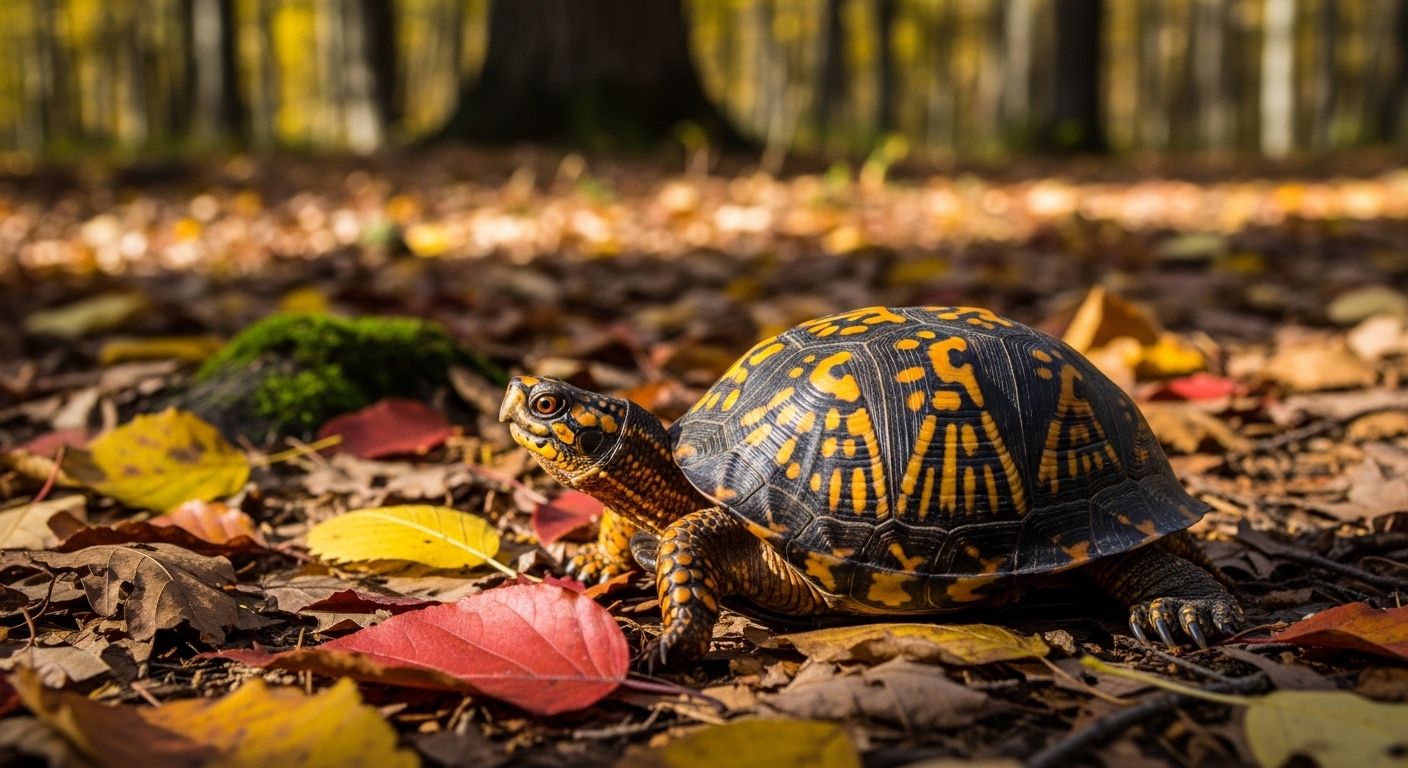
Most mud turtles (*Kinosternon* spp.) max out at 3–5 inches in shell length—tiny compared to sliders or snappers [[9]]. Eastern mud turtles hover around 4 inches; striped mud turtles might hit 5. Females are often slightly larger than males. Don’t let their size fool you, though—they’re tough as nails, with strong jaws and a habit of musking (yep, they spray a foul-smelling liquid when stressed). In your mud turtle habitat, their compact size means you can go detailed with decor: driftwood tunnels, leaf litter beds, and shallow planters. Just remember—small body, big personality.
Building the Perfect Indoor Mud Turtle Habitat
Alright, y’all—let’s get swampy. Start with a 40-gallon breeder tank. Fill it with 6–8 inches of dechlorinated water, heated to 72–76°F (they prefer cooler than most aquatic turtles) [[11]]. Use fine sand or smooth river stones as substrate—no gravel (choking hazard!). Add a land area: a sloped cork bark ramp or floating dock under a low-wattage basking lamp (85°F max—they rarely use it, but it must be there). Include hiding spots: PVC pipes, clay pots on their side, or dense plants like java fern. Filter? Absolutely—a sponge filter or canister rated for 2x your tank size keeps the water clean without strong currents. Your mud turtle habitat should feel like a secret backwater no one’s ever found… ‘cause that’s exactly where they’d choose to live.
Lighting & Temperature: Less Is More (But Not Nothing)
Mud turtles aren’t sun worshippers like sliders—but they still need UVB. A low-output UVB 5.0 tube (T5 HO) over the basking zone is essential for calcium metabolism [[14]]. Keep the basking spot at 85–88°F, water at 72–76°F, and nighttime temps no lower than 65°F. No heat rocks—they burn. And skip the fancy colored bulbs; white daylight spectrum only. Your mud turtle habitat lighting should whisper, not shout. They’ll thank you by not developing soft shells or eye infections.
Water Quality: Clean, Cool, and Calm
These turtles hate strong currents. So while you need filtration, go gentle: sponge filters or canisters with flow diffusers work best. Perform 25% water changes weekly, and test for ammonia (0 ppm), nitrites (0 ppm), nitrates (<40 ppm) [[19]]. Cloudy water? That’s your cue to check feeding habits—overfeeding is the #1 cause of poor water quality in mud turtle habitat setups. And never use tap water straight from the hose—always dechlorinate. Their skin’s sensitive, and chlorine = irritation city.
Diet: Carnivore-Leaning Omnivores with a Taste for the Wild
Mud turtles are mostly carnivorous—think earthworms, blackworms, bloodworms, crickets, and occasional commercial pellets [[20]]. Juveniles need protein daily; adults 3–4x/week. Offer greens sparingly (duckweed, water lettuce), but don’t force veggies—they’ll eat what they need. Always dust food with calcium powder 2x/week. Feed in-water; they hunt by scent. And remove uneaten food within 10 minutes—rotting worms in warm water = bacterial bloom. A balanced diet keeps your mud turtle habitat cleaner and your turtle healthier.
Common Mistakes That Stress Out Mud Turtles
We’ve seen folks cram ‘em into nano tanks, blast ‘em with 100W basking lamps, or handle ‘em like stuffed toys. Bad moves. Mud turtles are escape artists—so secure that lid! They also hate bright lights and loud noises. Place your mud turtle habitat in a quiet corner, not the living room TV zone. And never mix them with aggressive tank mates—snappers, large fish, or even bold sliders will bully ‘em. Keep it calm, keep it dim, and let ‘em be the swamp ninjas they were born to be.
Leveling Up Your Mud Turtle Habitat Game
Ready to go pro? Try a bioactive setup: live plants, leaf litter, and isopods for cleanup. Add a drip system for gentle water movement. Use natural wood and stone instead of plastic decor. And connect with the community: check out Sea Turtle Farm for seasonal care tips, browse the Habitat section for species-specific builds, or steal ideas from Snapping Turtle Cage Monster Size Need. Small upgrades mean big comfort for these quiet souls—and trust us, they notice.
Frequently Asked Questions
What is the best habitat for a mud turtle?
The best mud turtle habitat mimics their natural swampy environment: shallow, cool water (6–10 inches deep), soft substrate like sand, plenty of hiding spots, low-flow filtration, and a small dry basking area with UVB lighting. It should be quiet, dimly lit, and free from strong currents or aggressive tank mates.
What size tank do you need for a mud turtle?
A single adult mud turtle needs a minimum 40-gallon breeder tank (36"x18"x15"). For multiple turtles, use a 75-gallon or larger. The mud turtle habitat should prioritize horizontal space over depth, as these turtles are bottom-dwellers who rarely swim vertically.
Do mud turtles make good pets?
Mud turtles can make good pets for experienced keepers who appreciate quiet, low-interaction reptiles. They require a well-maintained mud turtle habitat, live 30–50 years, and dislike handling—but they’re hardy, fascinating, and full of subtle charm.
How big do mud turtles get?
Most mud turtles grow to 3–5 inches in shell length. Their small size makes them ideal for modest indoor setups, but their mud turtle habitat must still provide adequate space, hiding spots, and proper water conditions for long-term health.
References
- https://www.thesprucepets.com/mud-turtle-care-sheet-1238522
- https://www.reptilesmagazine.com/care-sheets/turtles-tortoises/eastern-mud-turtle-care-sheet/
- https://wildlife.ca.gov/Conservation/Invasives/Species/Kinosternon-subrubrum
- https://www.tortoisetrust.org/articles/mudturt.htm
- https://www.animaldiversity.org/accounts/Kinosternon_subrubrum/
- https://www.petmd.com/reptile/care/evr_rept_mud_turtle_care_sheet
- https://www.vetmed.ucdavis.edu/giving/news/keeping-pet-turtles-healthy
- https://www.aquaticcommunity.com/mud-turtle.php
- https://www.turtlehobbyist.com/mud-turtle-care-guide/
- https://www.fws.gov/species/eastern-mud-turtle-kinosternon-subrubrum