Terrapin Turtle Habitat Brackish Magic
- 1.
What Exactly Is a Terrapin Turtle Habitat?
- 2.
Brackish Water: The Secret Sauce
- 3.
Tank Size & Layout: Room to Roam, Not Just Float
- 4.
Heat, Light, and the Art of Basking Right
- 5.
Feeding Zones & Enrichment: Keep ‘Em Huntin’
- 6.
Filtration: Because Nobody Likes Swamp Soup
- 7.
Outdoor Ponds: When the Sun’s Your Best Friend
- 8.
Common Mistakes That Break Hearts (and Shells)
- 9.
Cost Breakdown: What’s This Gonna Cost Ya?
- 10.
How to Make a Terrapin Happy (Without Losin’ Yer Mind)
Table of Contents
terrapin turtle habitat
Y’all ever seen a terrapin just sittin’ in the shallows, lookin’ like it’s ponderin’ the meaning of life while snackin’ on a crab? Yeah, that’s not just chill—it’s survival. But here’s the tea: if you’re thinkin’ ‘bout bringin’ one of these brackish beauties home, you better know what makes a terrapin turtle habitat tick. ‘Cause this ain’t no goldfish-in-a-bowl situation. Terrapins need a whole vibe—salty-sweet water, warm rocks, and room to roam. Get it wrong, and your little philosopher turns into a stressed-out shell sack. So grab your iced sweet tea, y’all—we’re breakin’ down how to build a terrapin turtle habitat that’d make even the Chesapeake Bay jealous.
What Exactly Is a Terrapin Turtle Habitat?
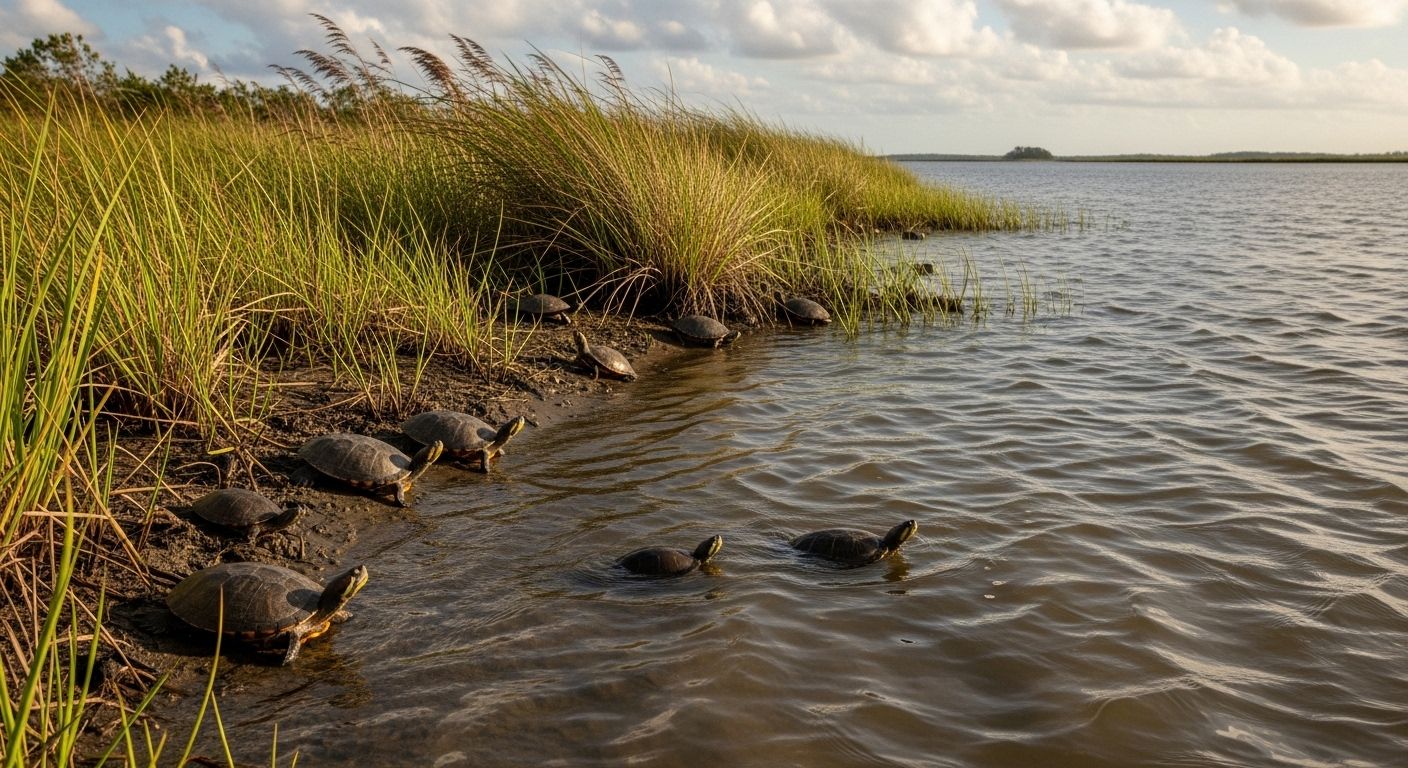
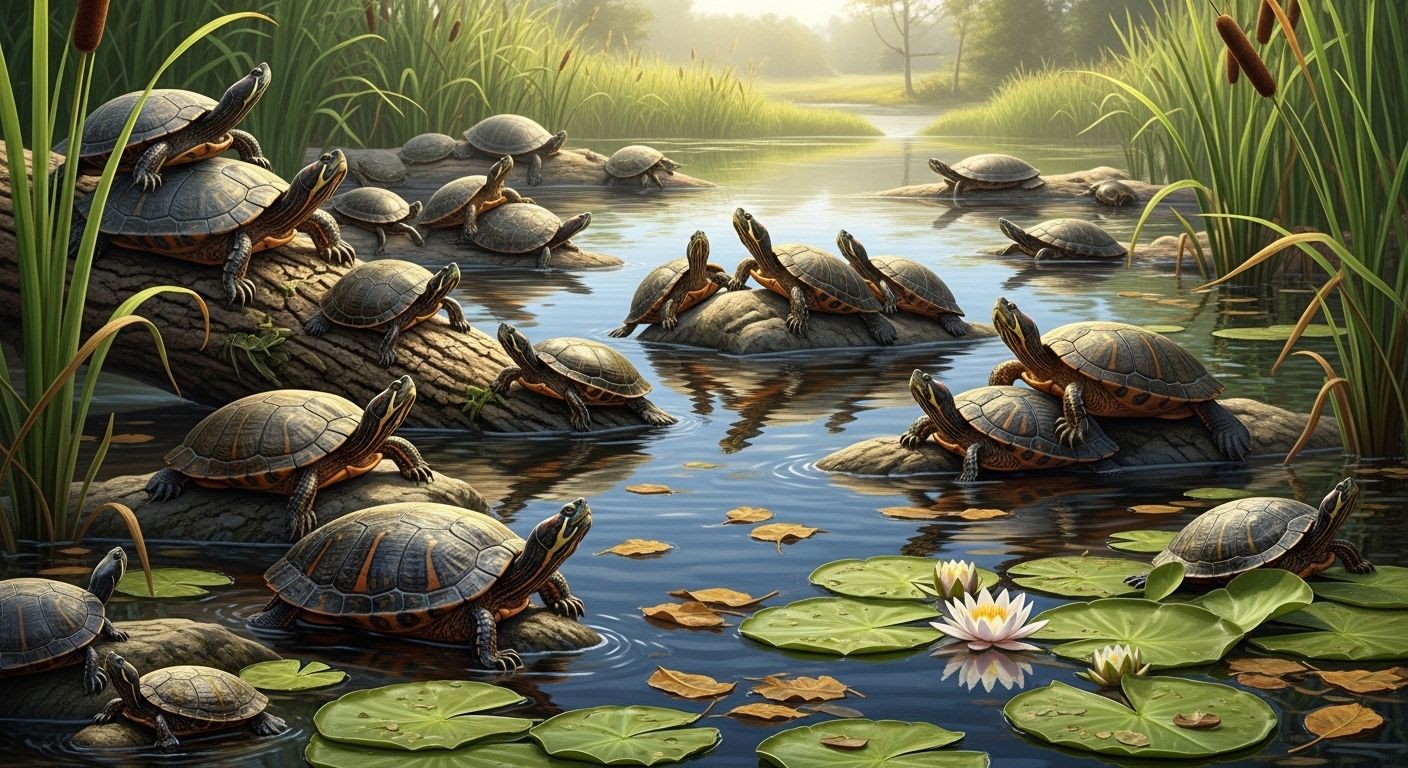
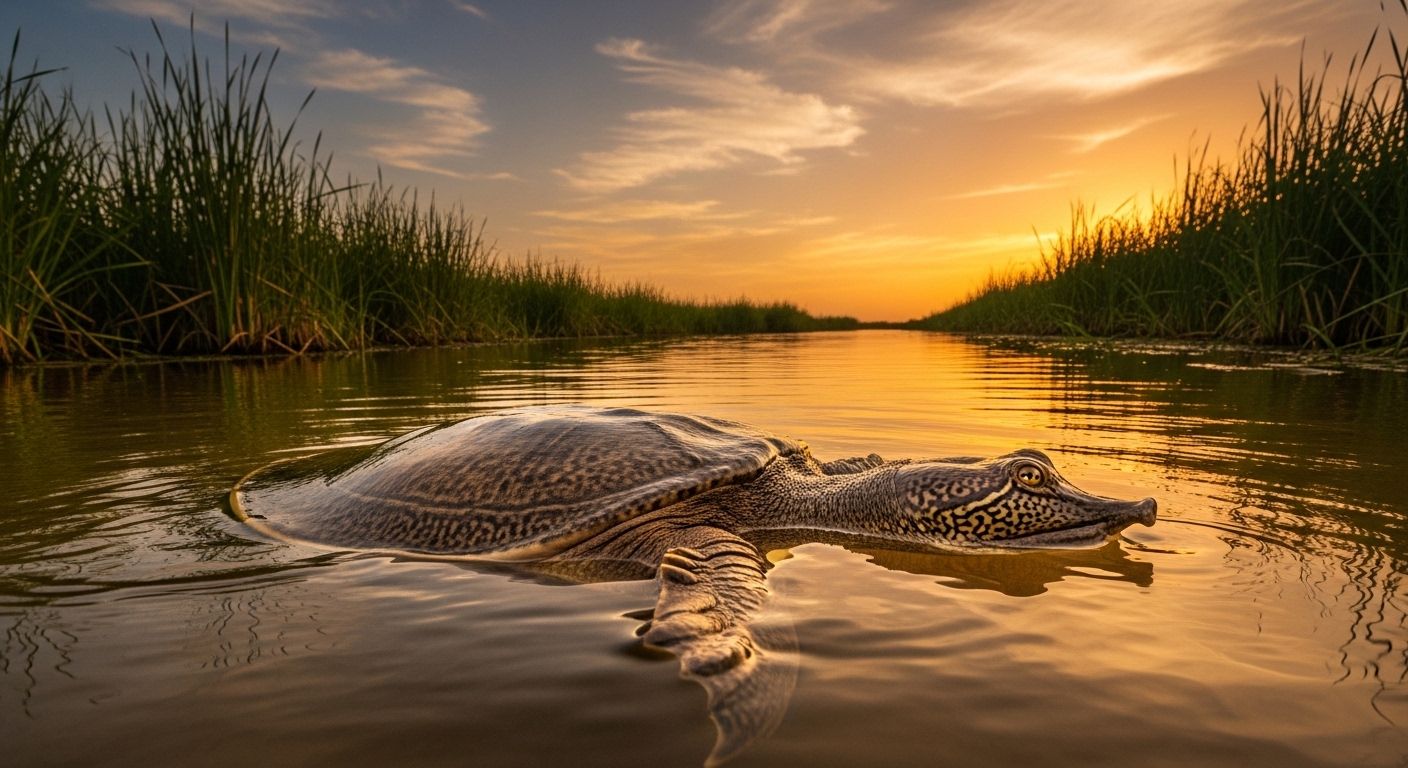
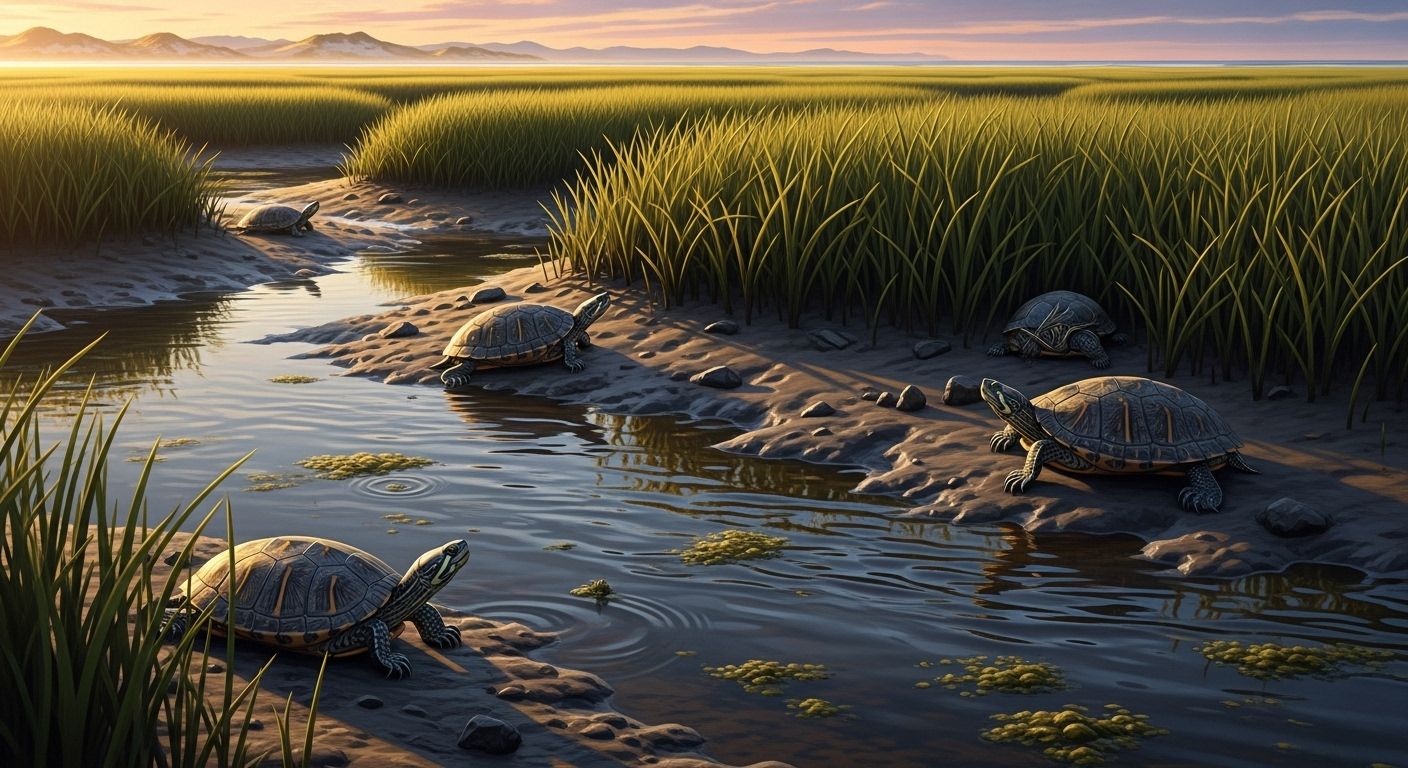
A true terrapin turtle habitat lives in the liminal zone between fresh and saltwater—brackish estuaries, tidal marshes, and coastal creeks from Cape Cod down to Florida [[1]]. Unlike pond sliders or box turtles, diamondback terrapins (Malaclemys terrapin) thrive where rivers kiss the sea. That means their captive setup must replicate that delicate balance: slightly salty water, shallow depths for hunting, and dry basking spots under full-spectrum light. Miss any piece, and you’re not just housin’ a pet—you’re settin’ up a slow-motion tragedy [[5]].
Brackish Water: The Secret Sauce
Here’s where most folks trip up: tap water won’t cut it. A proper terrapin turtle habitat needs brackish conditions—specifically, a salinity of 1.005 to 1.015 specific gravity [[8]]. That’s about 1–1.5 tablespoons of marine salt per gallon of dechlorinated water. Not table salt. Not aquarium salt. Real marine mix—the kind reef keepers use. Why? Because terrapins evolved in environments where salt helps prevent skin infections and parasites [[12]]. Skip the salt, and you’ll be dealin’ with shell rot, swollen eyes, and a grumpy turtle who side-eyes you like you stole his lunch crab.
Tank Size & Layout: Room to Roam, Not Just Float
Don’t let their modest size fool ya—a full-grown female terrapin can hit 8 inches, and she’ll need space. Minimum tank size? 75 gallons for one adult [[9]]. But bigger’s always better. The ideal terrapin turtle habitat features a shallow water zone (6–12 inches deep) so they can walk along the bottom huntin’ for food, plus a dry land area covering 25–30% of the footprint. Think of it like a coastal wetland in a box: sloped banks, smooth rocks, and zero sharp edges. And please—no gravel. These turtles aren’t picky eaters, and ingested pebbles = vet ER visit real quick.
Heat, Light, and the Art of Basking Right
Terrapins may love water, but they’re sun worshippers at heart. Their terrapin turtle habitat must include a basking platform heated to 85–90°F by a ceramic heat emitter or basking bulb [[14]]. Pair that with a UVB 5.0 or 10.0 fluorescent tube running 10–12 hours a day. Without UVB, calcium doesn’t absorb, and metabolic bone disease creeps in—leaving shells soft, limbs weak, and spirits broken. Pro tip: angle the light so it covers both water and land. They’ll drift in the shallows, then haul out like tiny, scaly beachgoers catchin’ rays after a dip.
Feeding Zones & Enrichment: Keep ‘Em Huntin’
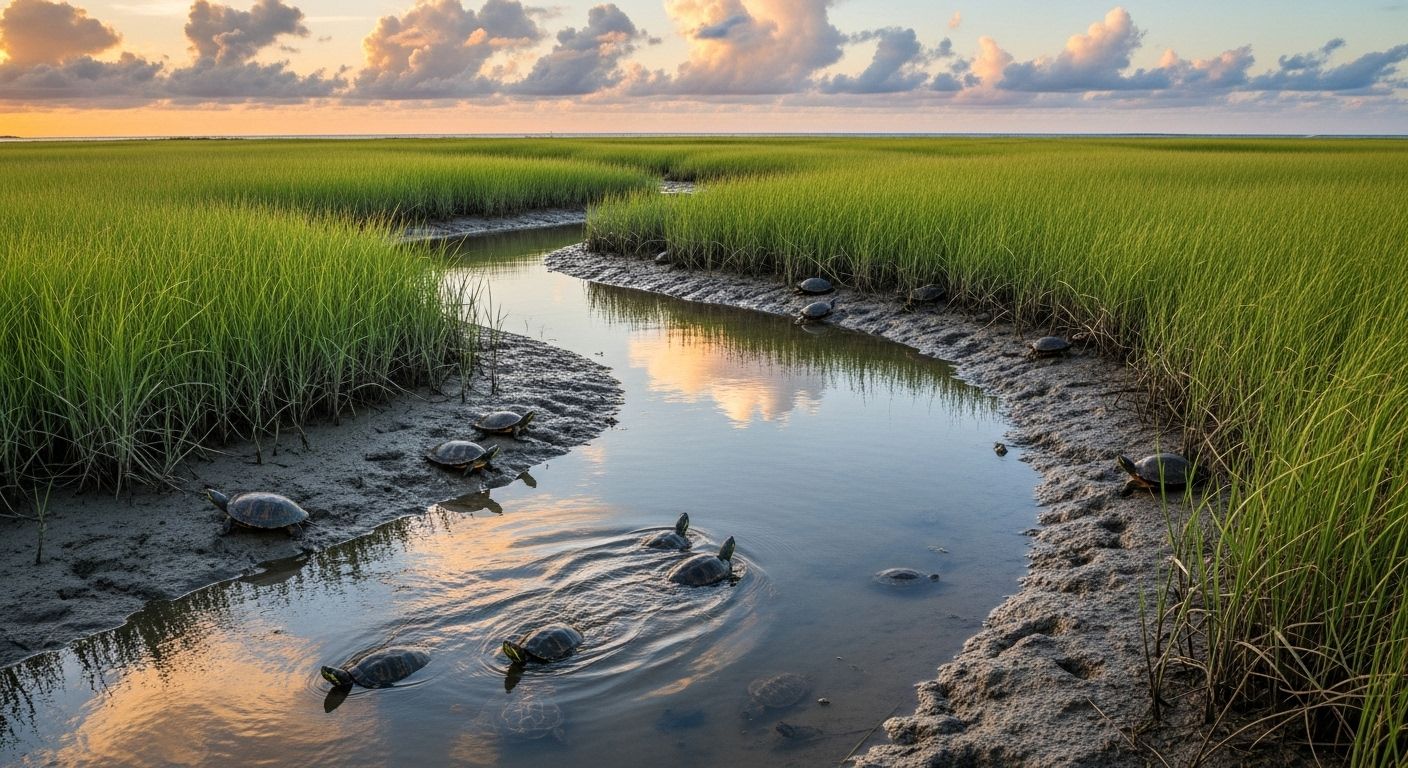
In the wild, terrapins are opportunistic predators—snail smashers, shrimp snatchers, crab crushers. A stagnant terrapin turtle habitat with floating pellets kills that instinct. Instead, scatter live or frozen-thawed foods (bloodworms, krill, ghost shrimp) in the water so they forage. Use feeding tongs for variety, or hide mussels in rock crevices. Mental stimulation = physical health. Oh, and toss in a cuttlebone for calcium—they’ll nibble it like a salty lollipop. Check out this setup in action:
Filtration: Because Nobody Likes Swamp Soup
Let’s be real—terrapins are messy. They eat in water, poop in water, and shed skin in water. A weak filter turns your terrapin turtle habitat into a biohazard zone faster than a Georgia summer heatwave. You’ll need a canister filter rated for *at least* 3x your tank volume [[11]]. For a 75-gallon tank? Go for 200+ GPH. Clean filter media monthly in tank water (never tap—it kills good bacteria), and do 30% water changes weekly. Test ammonia, nitrite, and nitrate like your turtle’s life depends on it… ‘cause it does.
Outdoor Ponds: When the Sun’s Your Best Friend
If you’re in USDA zones 7–10, an outdoor brackish pond is the ultimate terrapin turtle habitat. Natural sunlight boosts vitamin D3 synthesis, seasonal temps regulate hibernation instincts, and space encourages natural behaviors. Just make sure it’s predator-proof (raccoons love turtle tacos), has shaded areas, and includes a secure dry dock. And never, ever release captives into local waterways—terrapins are native only to the eastern U.S., and introducing them elsewhere disrupts ecosystems big time [[18]].
Common Mistakes That Break Hearts (and Shells)
We’ve seen it all: freshwater-only tanks, no UVB, overcrowded tubs, and worst of all—feeding nothing but dried shrimp. A proper terrapin turtle habitat isn’t “set it and forget it.” It’s dynamic, monitored, and tailored. Another blunder? Ignoring sex differences. Females grow larger and need more space; males have longer claws and can get feisty in tight quarters. And don’t skip the salt—yes, even if your cousin’s friend’s neighbor said “they’re fine without it.” Spoiler: they’re not.
Cost Breakdown: What’s This Gonna Cost Ya?
Let’s talk green—both kinds. A solid starter terrapin turtle habitat runs $400–$700 USD: 75-gal tank ($150), canister filter ($120), marine salt & hydrometer ($30), UVB + heat lamps ($80), basking platform ($50), and decor ($70). Monthly costs: electricity (~$15), salt refills ($10), food ($20). Vet fund? Add $100/year. It’s not cheap, but compare that to emergency care for shell rot or MBD—suddenly, prevention looks like a bargain.
How to Make a Terrapin Happy (Without Losin’ Yer Mind)
Happiness in a terrapin turtle habitat boils down to three things: stability, stimulation, and space. Keep water parameters consistent, offer varied foods, and rotate enrichment items (floating logs, hidden treats, gentle water flow). Observe daily—do they bask? Swim smoothly? Eyes clear? Appetite strong? Those are your happiness metrics. And remember: terrapins can live 30+ years [[16]]. This ain’t a trend pet—it’s a legacy. If you’re ready to commit, start with the basics from Sea Turtle Farm, explore more setups in our Habitat section, or geek out over natural ranges in our deep dive: Three-Toed Box Turtle Habitat Natural Pro.
Frequently Asked Questions
What is the best environment for a terrapin?
The best environment for a terrapin is a brackish water setup with 1.005–1.015 specific gravity salinity, shallow swimming depth, a dry basking area under heat and UVB lighting, and strong filtration—all within a spacious terrapin turtle habitat that mimics coastal estuaries of the eastern United States.
What is the habitat of a terrapin turtle?
In the wild, the terrapin turtle inhabits brackish tidal marshes, mangrove swamps, and estuaries along the Atlantic and Gulf coasts of the U.S. A captive terrapin turtle habitat must replicate these conditions—slightly salty water, access to land, and naturalistic foraging opportunities—to support long-term health.
What do terrapins need in their tank?
Terrapins need a large tank with brackish water, a powerful filter, a dry basking platform heated to 85–90°F, full-spectrum UVB lighting, marine salt mix, and enrichment like live or frozen prey. Every element of the terrapin turtle habitat serves a biological or behavioral need—from shell integrity to mental stimulation.
How to make terrapin happy?
Make a terrapin happy by providing a stable, species-appropriate terrapin turtle habitat with clean brackish water, proper heat and UVB, varied diet, and environmental enrichment. Regular observation and maintenance show you care—and a well-cared-for terrapin will bask, swim, and feed with confidence.
References
- https://www.fws.gov/species/diamondback-terrapin-malaclemys-terrapin
- https://www.chesapeakebay.net/field-guide/critter/diamondback_terrapin
- https://www.turtlesurvival.org/wp-content/uploads/2020/06/Terrapin-Care-Sheet.pdf
- https://www.reptilesmagazine.com/care-sheets/turtles-tortoises/diamondback-terrapin-care-sheet/
- https://www.aquaticcommunity.com/terrapin/
- https://www.petmd.com/reptile/care/evr_re_diamondback_terrapin_care
- https://www.seaturtlenetwork.org/wp-content/uploads/2021/03/Terrapin-Husbandry-Guidelines.pdf
- https://www.turtleforum.com/threads/brackish-water-setup-for-terrapins.123456/
- https://www.anapsid.org/terrapin.html
- https://www.nwf.org/Educational-Resources/Wildlife-Guide/Reptiles/Diamondback-Terrapin