Scientific Name For Sea Turtle Seven Species
- 1.
Chelonia: More Than Just a Fancy Word
- 2.
Honu, Green Turtle, or Chelonia Mydas? All the Same Soul
- 3.
The Fab Seven: Who’s Who Among Sea Turtles
- 4.
Sea Turtles Got Nicknames—But Science Keeps It Real
- 5.
Decoding the Language of Shells and Genes
- 6.
Why Misnaming a Turtle Can Mess Up Conservation
- 7.
Taxonomy Through Time: From Linnaeus to DNA Labs
- 8.
Cultural Names vs. Scientific Labels: Two Sides of Reverence
- 9.
The Business of Naming: Who Gets to Decide?
- 10.
Dive Deeper: Your Gateway to the Turtle Universe
Table of Contents
scientific name for sea turtle
Y’all ever sit on a beach at dawn, coffee in hand, watchin’ some ancient-looking creature haul itself ashore like it’s got a divine appointment with the sand? And you’re like, “Dang, what even *are* you, my dude?” Well, spoiler: that majestic slow-mo mover’s got a Latin alias fancier than your grandma’s china cabinet. The scientific name for sea turtle ain’t just a nerdy label—it’s a passport stamped by evolution, geography, and centuries of human awe. And no, “Shelly McShellface” doesn’t cut it in peer-reviewed journals (though we low-key stan the creativity).
Chelonia: More Than Just a Fancy Word
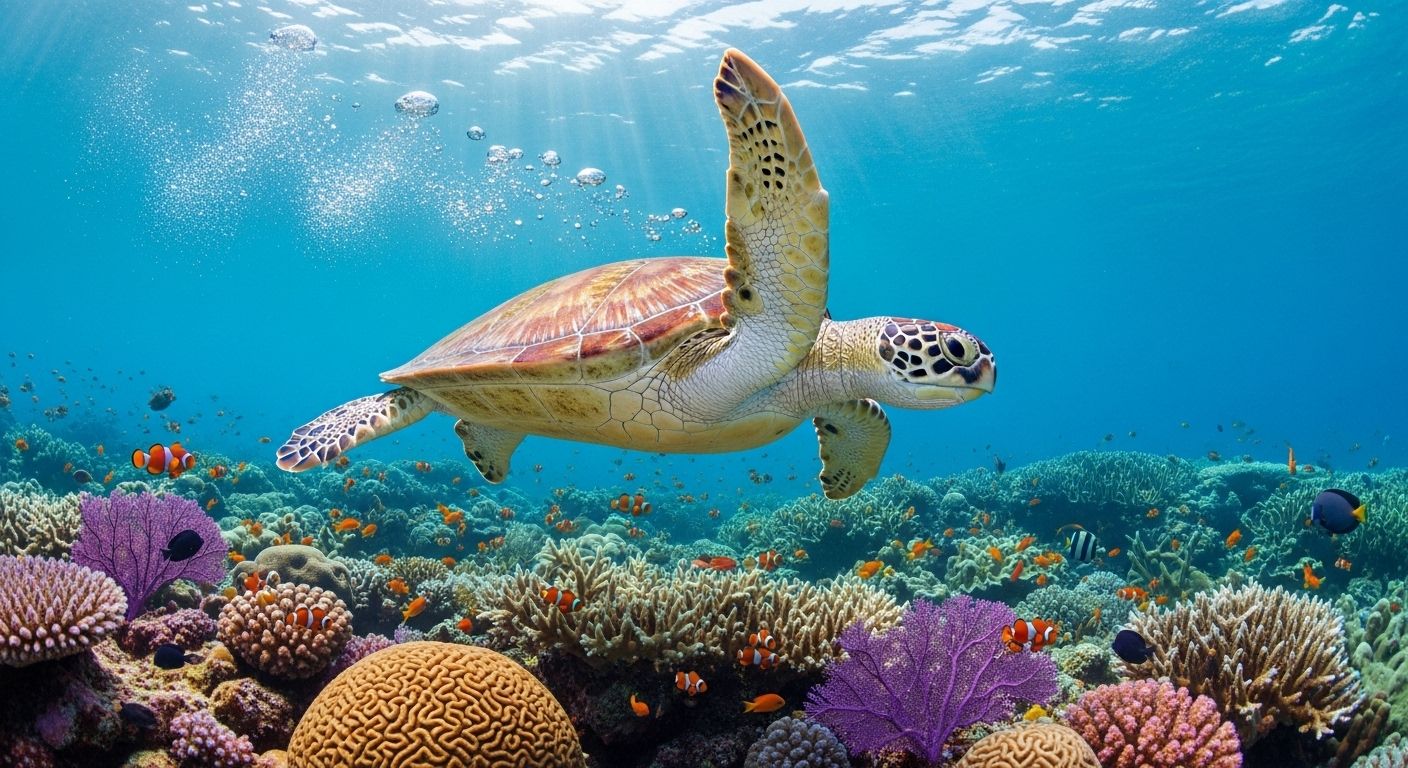
So—what *is* Chelonia? Sounds like a lost island from a pirate novel, right? Nah, it’s way cooler. In taxonomy, Chelonia is a genus under the family Cheloniidae, and it’s home to one iconic ocean nomad: Chelonia mydas, aka the green sea turtle. The word itself traces back to Greek—chelone, meaning “tortoise”—but over time, scientists narrowed it to refer specifically to certain hard-shelled sea turtles. Don’t confuse it with “Testudines,” though—that’s the whole order covering *all* turtles, land and sea. Think of Chelonia as the VIP section within the grand turtle ballroom. And yeah, when someone drops “Chelonia mydas” at a marine biology mixer, heads turn. That’s the power of the scientific name for sea turtle—it’s precise, poetic, and packed with legacy.
Honu, Green Turtle, or Chelonia Mydas? All the Same Soul
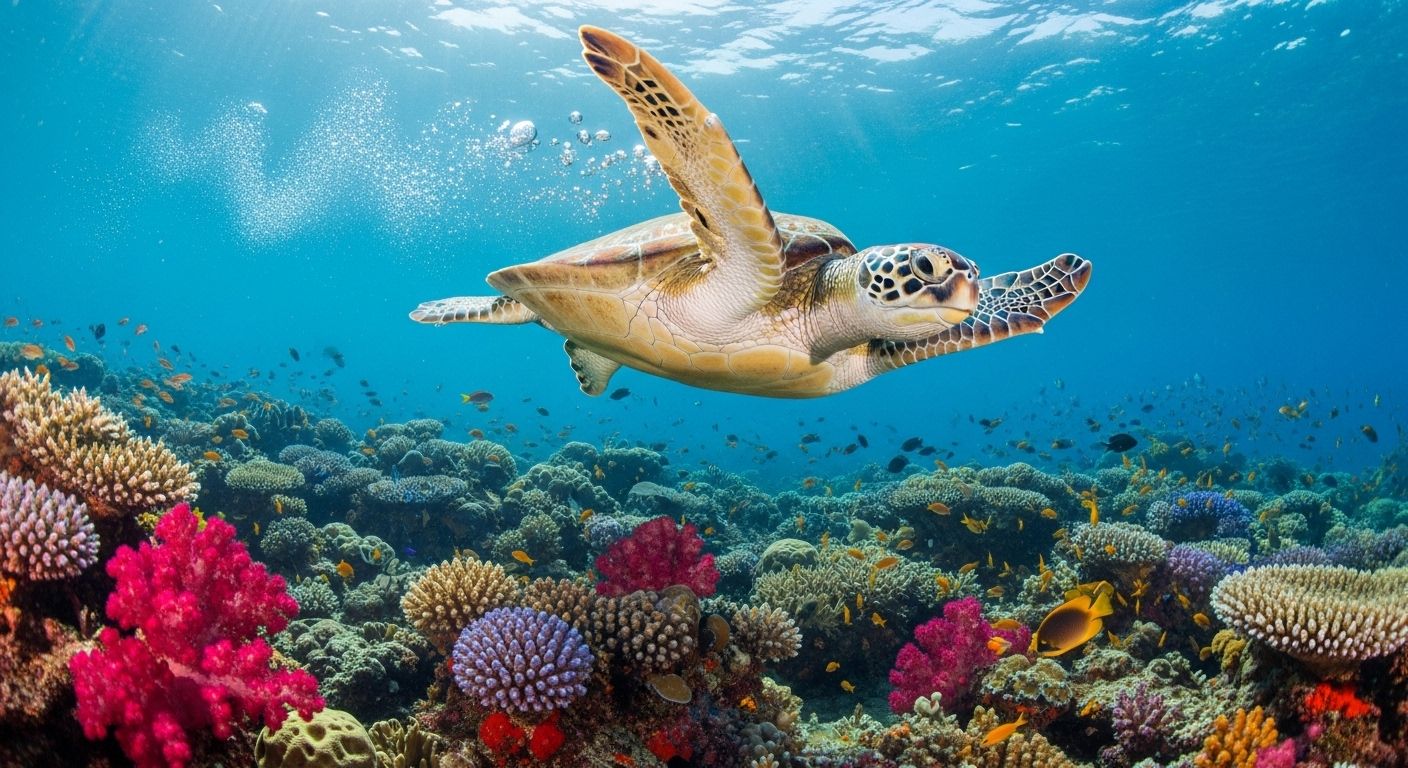
Is the green turtle called Honu? You betcha—if you’re kickin’ it in Hawai‘i. “Honu” isn’t just a nickname; it’s a cultural heartbeat. To Native Hawaiians, the honu symbolizes endurance, peace, and good luck. But zoom out to the global science scene, and that same creature’s labeled Chelonia mydas. Both names honor the same being—one through ancestral reverence, the other through binomial nomenclature. Fun twist? The “green” in green sea turtle doesn’t come from its shell (which is usually brown or olive) but from the greenish fat beneath its skin, thanks to its seagrass-heavy diet. So whether you’re whispering “honu” during a sunset paddle or citing Chelonia mydas in a conservation report, you’re talkin’ about the same gentle giant whose scientific name for sea turtle bridges worlds.
The Fab Seven: Who’s Who Among Sea Turtles
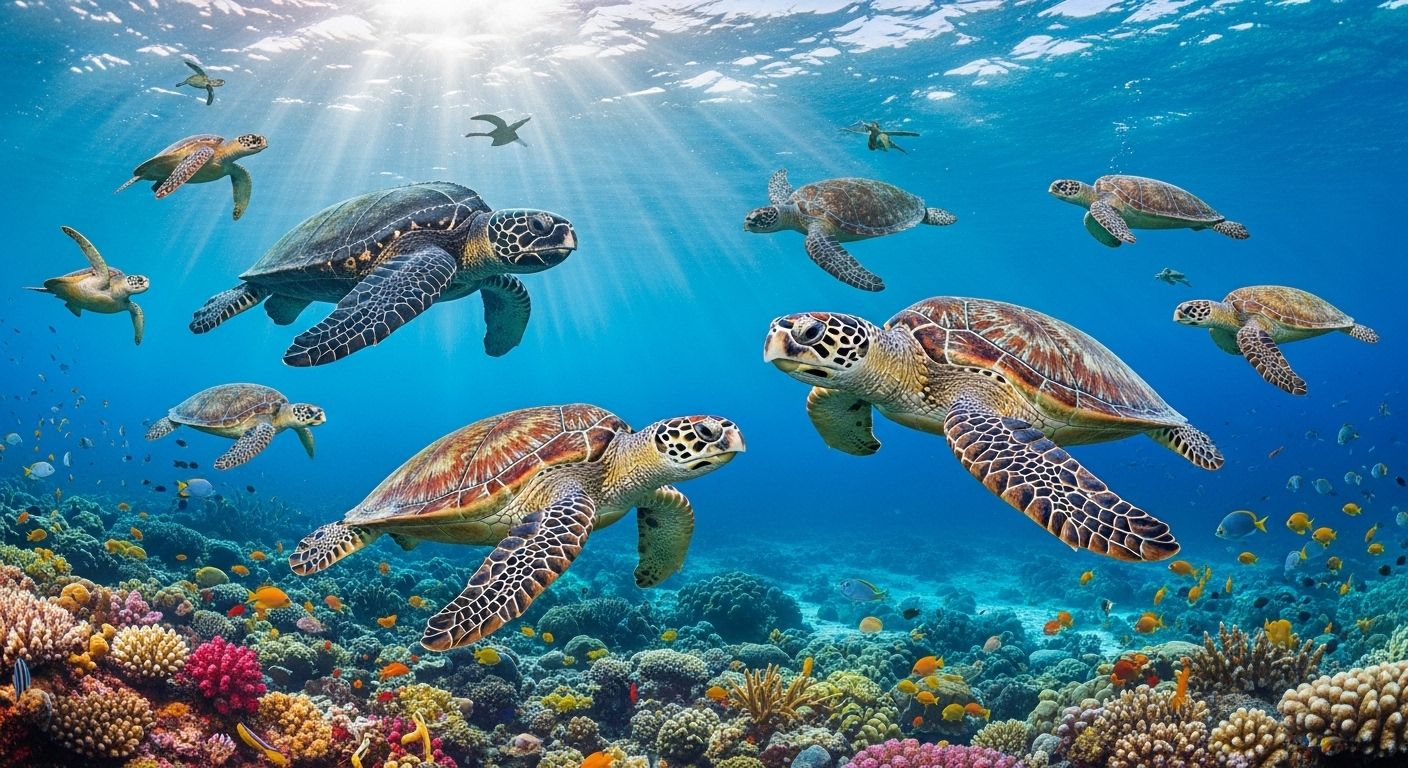
Alright, let’s roll call—the ocean’s got exactly seven species of sea turtles, each with its own swagger and scientific name for sea turtle. First up: the Green (Chelonia mydas), the vegan of the bunch. Then there’s the Loggerhead (Caretta caretta), rockin’ that massive noggin built for crushing crabs. Kemp’s Ridley (Lepidochelys kempii)—the rarest and smallest—nests in synchronized arribadas that look like nature’s flash mob. Its cousin, the Olive Ridley (Lepidochelys olivacea), does the same but across wider tropical zones. The Hawksbill (Eretmochelys imbricata)? Coral reef connoisseur with a beak sharper than your ex’s texts. Flatback (Natator depressus) keeps it local—only around Australia. And last but not least, the Leatherback (Dermochelys coriacea), the deep-diving, jellyfish-gobbling heavyweight that’s more leathery than shelled. All seven are protected. All seven need us.
Sea Turtles Got Nicknames—But Science Keeps It Real
What’s another name for sea turtles? Folk’ll say “marine turtles,” “ocean turtles,” or down in the Keys, maybe “old salt shells.” But scientifically? They’re strictly “sea turtles,” and their identities are locked in via Latin. Why? ‘Cause “big flippery dude” means squat when you’re filing an endangered species report with NOAA. The scientific name for sea turtle cuts through dialect, distance, and confusion. Imagine a Thai fisherman, a Floridian biologist, and a Senegalese ranger all pointing to the same animal—but only Dermochelys coriacea guarantees they’re talking about the *same* leviathan. Common names shift like tides; scientific names? They’re bedrock.
Decoding the Language of Shells and Genes
Every scientific name for sea turtle is a tiny poem written in the language of anatomy and ancestry. Take Eretmochelys imbricata: “eretmo” = oar, “chelys” = turtle, “imbricata” = overlapping tiles—boom, you’ve got a turtle with oar-like flippers and a mosaic shell. Or Dermochelys coriacea: “dermo” = skin, “chelys” = turtle, “coriacea” = leathery. No shell? Just tough, rubbery skin? Yep, that’s your Leatherback. These names aren’t random—they’re descriptive blueprints. And thanks to modern genomics, we’re even refining them. Turns out, some populations once thought identical are genetically distinct, which could mean new subspecies down the line. So the scientific name for sea turtle ain’t static—it breathes with discovery.
Why Misnaming a Turtle Can Mess Up Conservation
Here’s the tea: if a rescue center logs a stranded “green turtle” but it’s actually a juvenile hawksbill, that misID can ripple through databases, skew population models, and even delay critical habitat protections. The scientific name for sea turtle is the backbone of accurate data. In 2024, a tagging project in Costa Rica revealed that nearly 12% of “Loggerheads” were misidentified Olive Ridleys—oops. That error skewed migration predictions and fishing bycatch stats. Moral? Never underestimate the power of gettin’ the name right. When NGOs lobby Congress for turtle-safe nets or sue cruise lines for beach lighting violations, they cite species by their scientific name for sea turtle—because policy runs on precision, not guesswork.
Taxonomy Through Time: From Linnaeus to DNA Labs
Back in 1758, Carl Linnaeus dropped Testudo mydas in his *Systema Naturae*—yep, the green sea turtle’s original stage name. Later, scientists moved it to Chelonia once they realized not all shelled critters belonged in the same genus. Fast-forward to today, and we’ve got CRISPR-level gene mapping showing that sea turtles split from freshwater ancestors over 100 million years ago. The scientific name for sea turtle has evolved alongside our tools. What was once based on shell shape now integrates mitochondrial DNA, vocalization patterns (yes, turtles make sounds!), and satellite tracking. Science don’t sleep—and neither do taxonomists, apparently.
Cultural Names vs. Scientific Labels: Two Sides of Reverence
In Hawaiian chants, the honu is a guardian spirit. In West Africa, sea turtles symbolize wisdom and longevity. Meanwhile, in a lab in San Diego, someone’s pipetting samples labeled Lepidochelys kempii. Both perspectives matter. The scientific name for sea turtle gives us universal clarity; cultural names give us soul. One ain’t better—they’re complementary. In fact, the best conservation programs weave both together. Like in Hawaii, where community-led beach patrols use “honu” in outreach but log sightings as Chelonia mydas in official databases. That duality? That’s how you protect a species—not just as data points, but as living legends.
The Business of Naming: Who Gets to Decide?
Turns out, naming a new turtle species ain’t like pickin’ a username. There’s rules—strict ones—governed by the International Code of Zoological Nomenclature (ICZN). If two scientists discover the same critter independently, the first published name sticks (sorry, latecomers). And you can’t just slap your dog’s name on it—though we wouldn’t mind a Chelonia roveri. Every proposed scientific name for sea turtle must include a detailed description, type specimen deposit, and peer review. It’s democracy with footnotes. This system keeps chaos at bay, ensuring that whether you’re in Oslo or Okinawa, Caretta caretta means one thing: that big-headed, crab-crunchin’ wonder we all adore.
Dive Deeper: Your Gateway to the Turtle Universe
If this romp through the scientific name for sea turtle left you buzzin’ like a hatchling scramblin’ to the surf, we got you. Start at the Sea Turtle Farm homepage for real-time updates on nesting seasons and rescue ops. Then, lose yourself in our curated Species hub, where every turtle’s story unfolds with maps, calls, and IUCN status. And if you’re curious about freshwater cousins with attitude, check out our gritty exposé: Snapping Turtle Types: Deadly Differences. Whether you’re a bio major, a beach bum, or just someone who believes turtles deserve better—this is your tribe.
Frequently Asked Questions
What is Chelonia?
Chelonia is a genus of sea turtles within the family Cheloniidae, currently containing only one recognized species: Chelonia mydas, the green sea turtle. The term originates from Greek and is part of the formal scientific name for sea turtle used globally to ensure accurate identification in research and conservation.
Is the green turtle called Honu?
Yes—in Hawaiian culture, the green sea turtle is affectionately and respectfully called “honu.” While “honu” is a cultural and common name, its formal scientific name for sea turtle remains Chelonia mydas. Both names refer to the same species, reflecting the blend of indigenous knowledge and scientific classification.
What are the 7 species of sea turtles?
The seven species of sea turtles, each with a unique scientific name for sea turtle, are: Green (Chelonia mydas), Loggerhead (Caretta caretta), Kemp’s Ridley (Lepidochelys kempii), Olive Ridley (Lepidochelys olivacea), Hawksbill (Eretmochelys imbricata), Flatback (Natator depressus), and Leatherback (Dermochelys coriacea). All are marine reptiles facing threats from habitat loss, pollution, and bycatch.
What is another name for sea turtles?
Sea turtles are sometimes called “marine turtles” or “ocean turtles” in informal contexts, but these terms aren’t scientifically precise. The only universally accepted identifiers are their Latin binomials—the scientific name for sea turtle—which prevent confusion across languages, regions, and disciplines in global conservation efforts.
References
- https://www.fisheries.noaa.gov/topic/sea-turtle-conservation
- https://www.iucnredlist.org/species/4924/120437315
- https://www.reptile-database.org/db-info/TurtleSpecies.html
- https://oceanservice.noaa.gov/education/tutorial_tides/tides08b_seaturtles.html