Southern Painted Turtle Habitat Easy Build
- 1.
Y’all Really Think a Fish Tank’s Enough for This Little Sun-Worshipper?
- 2.
Where Do Southern Painted Turtles Actually Live in the Wild?
- 3.
Size Talk: How Big of an Enclosure Does a Painted Turtle Need?
- 4.
Water Wisdom: Clean, Shallow, and Filtered Like Your Morning Coffee
- 5.
Basking Zones: The Heartbeat of Any Turtle Habitat
- 6.
Lighting: Fake Sunlight Ain’t Optional—It’s Lifesaving
- 7.
Substrate & Decor: Less Is More (Seriously)
- 8.
Temperature Tango: Warm Water, Hot Basking, Cool Nights
- 9.
Outdoor Ponds: The Ultimate Upgrade (If You’re in the Right Zone)
- 10.
What Is the Best Habitat for a Painted Turtle? The Full Blueprint
Table of Contents
southern painted turtle habitat
Y’all Really Think a Fish Tank’s Enough for This Little Sun-Worshipper?
Alright, let’s cut to the chase: if you’ve got a southern painted turtle chillin’ in a 10-gallon tank with a plastic palm tree and a sad little rock, we gotta talk. That ain’t a southern painted turtle habitat—that’s more like a reptilian timeout corner. These slick-backed, red-striped beauties aren’t just “cute pets”; they’re wild-at-heart wetland dwellers that need space, sunshine, and serious setup love. And no, your college dorm aquarium won’t cut it. A proper southern painted turtle habitat blends water, land, light, and warmth like a slow-cooked Southern stew—every ingredient matters, or the whole thing falls flat.
Where Do Southern Painted Turtles Actually Live in the Wild?
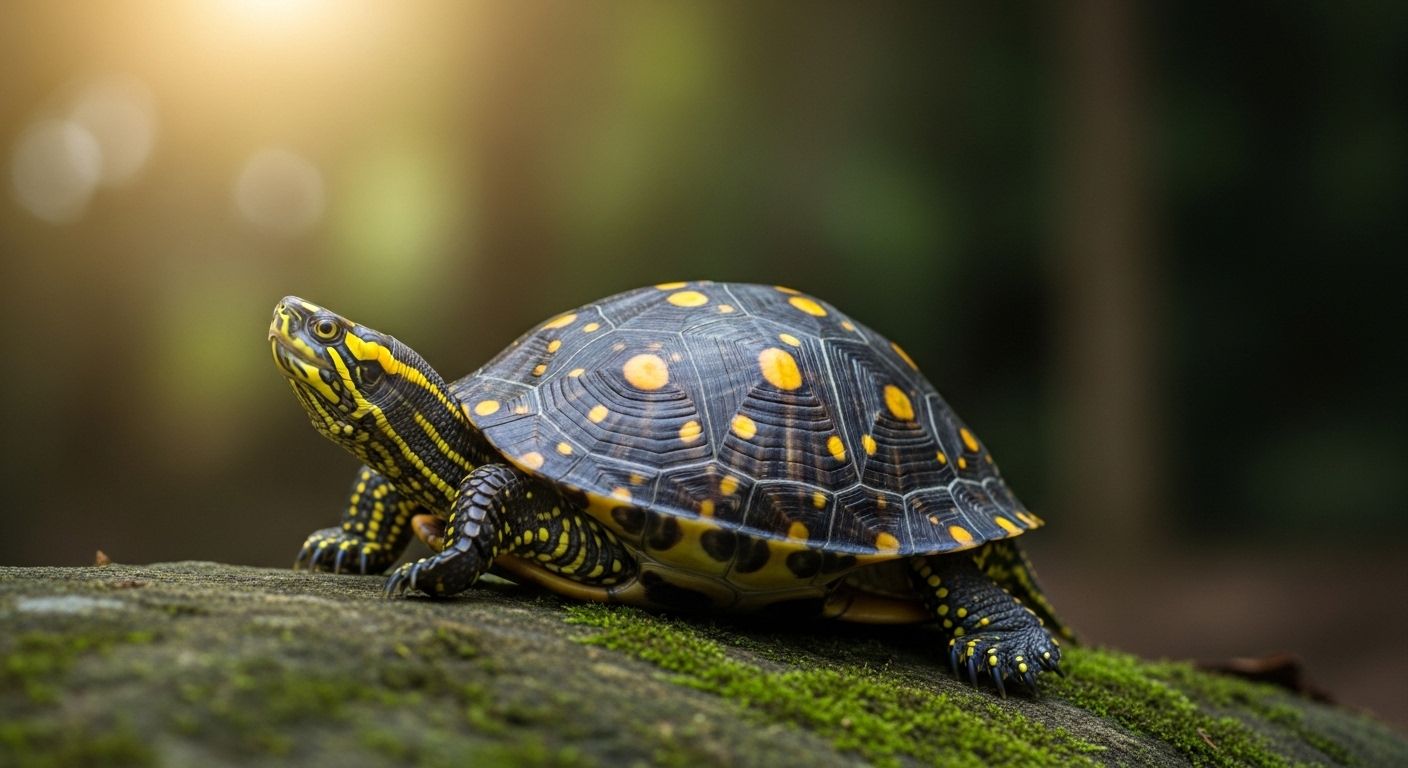
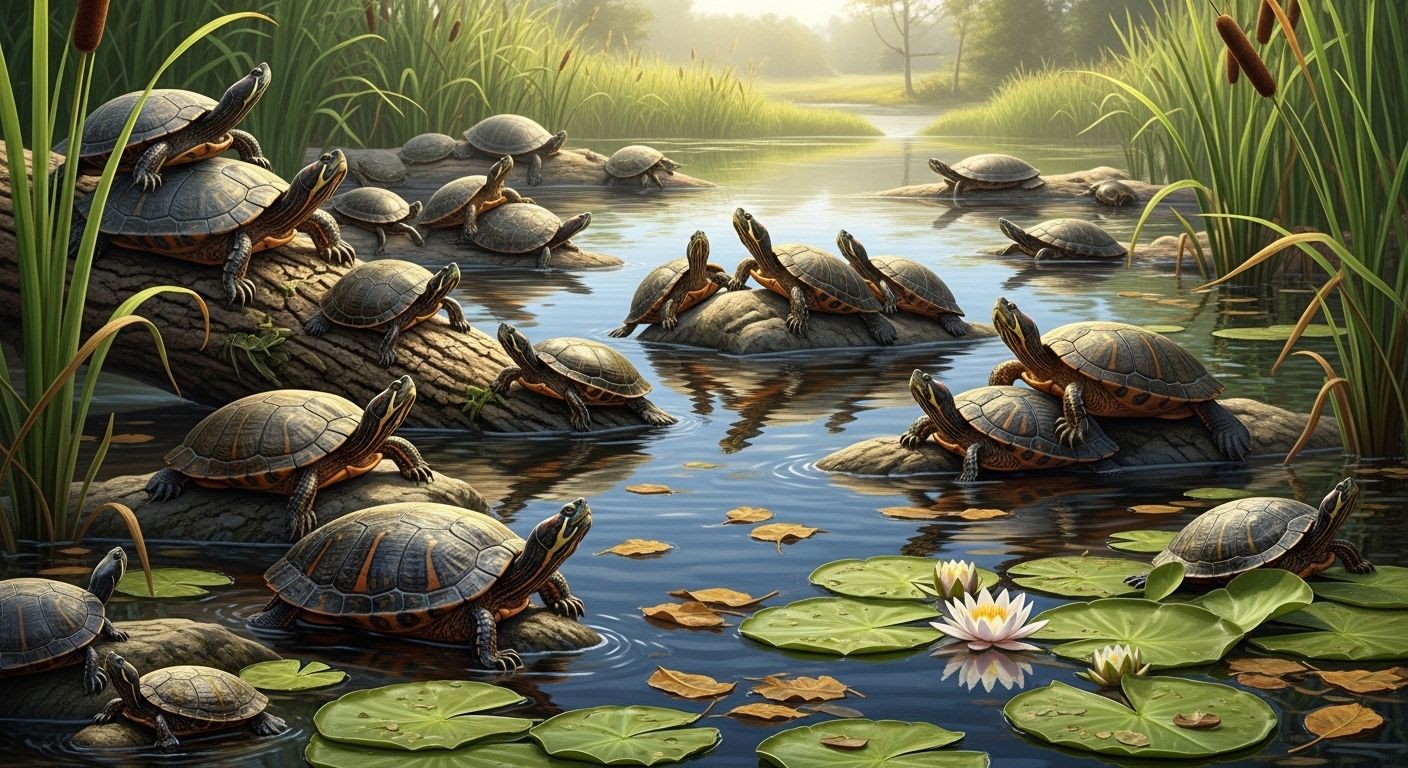
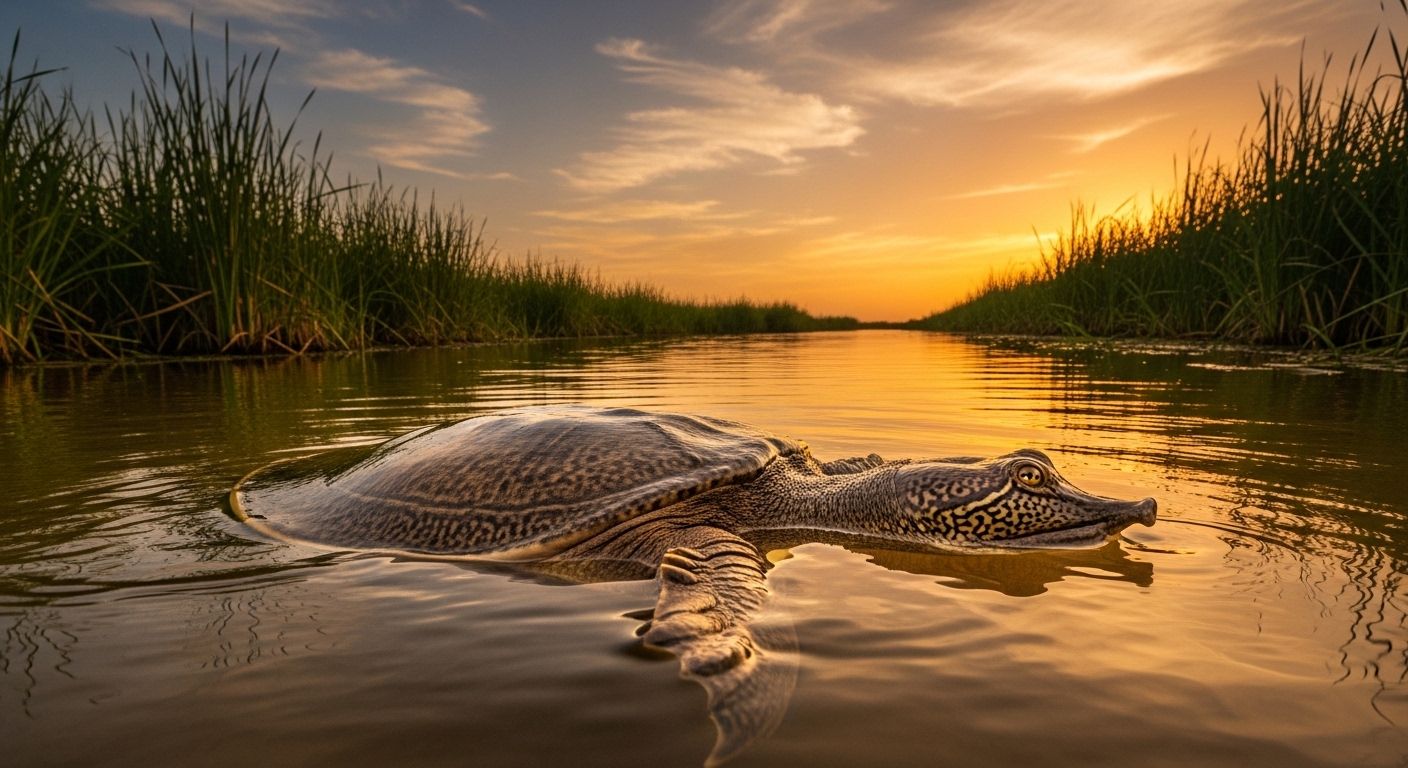
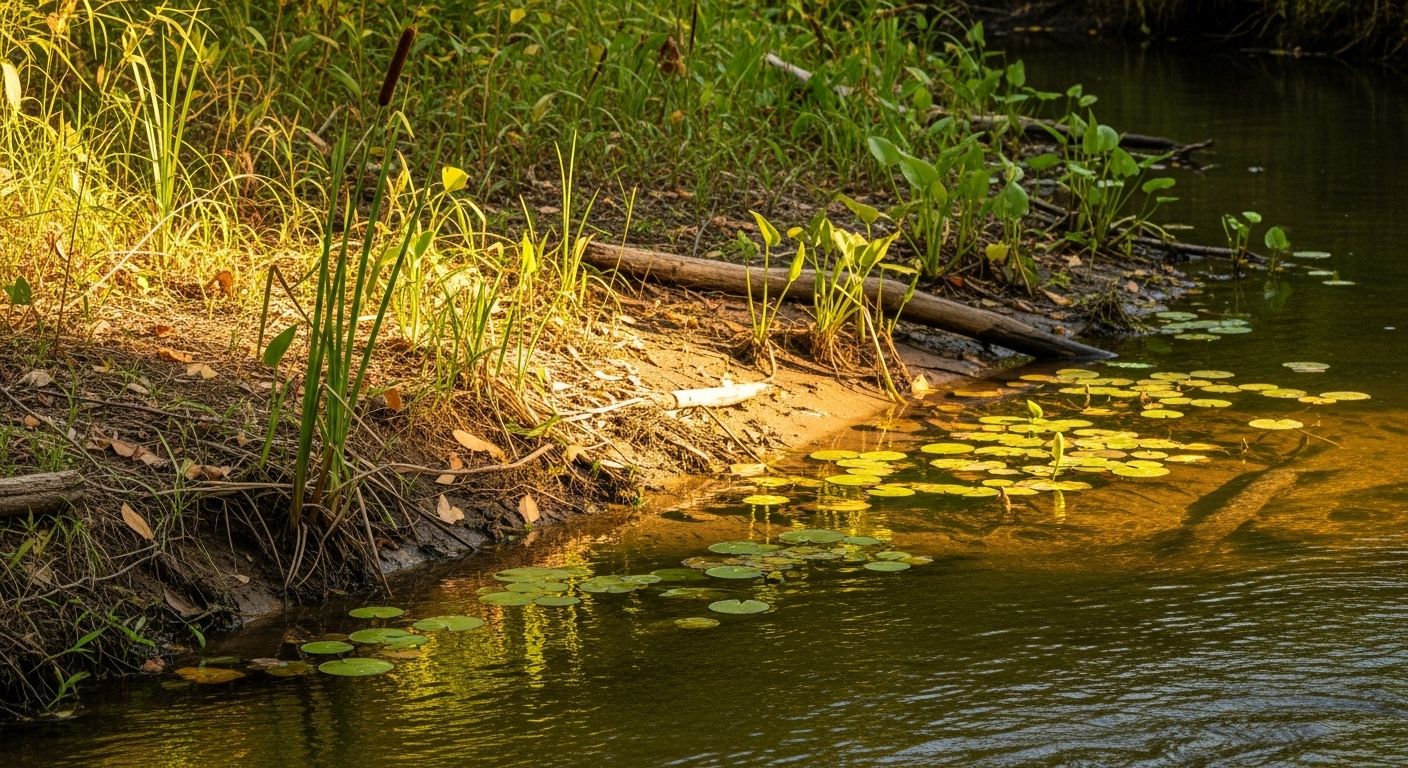
Before we start gluing fake logs to glass walls, let’s rewind to the real deal. Native to the Mississippi River basin and Gulf Coast states—from Illinois down to Louisiana—the wild southern painted turtle habitat is all about shallow, slow-moving waters: marshes, oxbow lakes, farm ponds, and cypress swamps brimming with duckweed and cattails [[1]]. They’re sun-chasers, not deep divers, and they’ll haul out on muddy banks or floating logs for hours just to soak up rays. Replicating that vibe indoors (or outdoors) means honoring their roots—not just tossing ‘em in water and calling it a day.
Size Talk: How Big of an Enclosure Does a Painted Turtle Need?
Let’s bust this myth wide open: **a 40-gallon tank is only suitable for a juvenile**. Full-grown southern painted turtles reach 4–6 inches—and they *move*. Fast. A single adult needs **at least a 75-gallon tank**, but honestly? Go bigger. Think 100+ gallons if you can swing it. Why? ‘Cause these fellas swim laps like they’re training for the Reptile Ironman. Cramp ‘em in a cramped space, and you’ll see stress behaviors: refusal to bask, shell rot, or straight-up depression. A legit southern painted turtle habitat gives ‘em room to paddle, explore, and express their full turtle-ness.
Water Wisdom: Clean, Shallow, and Filtered Like Your Morning Coffee
Here’s the messy truth: painted turtles eat, poop, and sleep in the same water. So if you’re not running a heavy-duty filter, your southern painted turtle habitat becomes a biohazard faster than a forgotten gym sock. You’ll need a canister filter rated for **2–3x your tank’s volume** (e.g., 200 GPH for a 75-gallon tank). Water depth? Keep it **1.5–2x the turtle’s shell length**—so a 5-inch turtle needs 7–10 inches of water. Too deep, and they’ll tire out trying to surface. Too shallow, and they can’t swim properly. And please—change 25–50% of the water weekly. Your nose (and their health) will thank you.
Basking Zones: The Heartbeat of Any Turtle Habitat
You ever seen a painted turtle sprawled on a log, eyes closed, looking like it just won the lottery? That’s not laziness—that’s survival. A dry, warm basking platform is non-negotiable in a southern painted turtle habitat. It’s where they dry off (preventing fungal infections), regulate body temp, and absorb UVB to metabolize calcium. Without it? Soft shells, metabolic bone disease, and a very unhappy reptile. Your platform should be fully dry, easily accessible, and heated to **85–90°F** with a dedicated heat lamp. Bonus points if it’s big enough for multiple turtles to lounge without shoving.
Lighting: Fake Sunlight Ain’t Optional—It’s Lifesaving
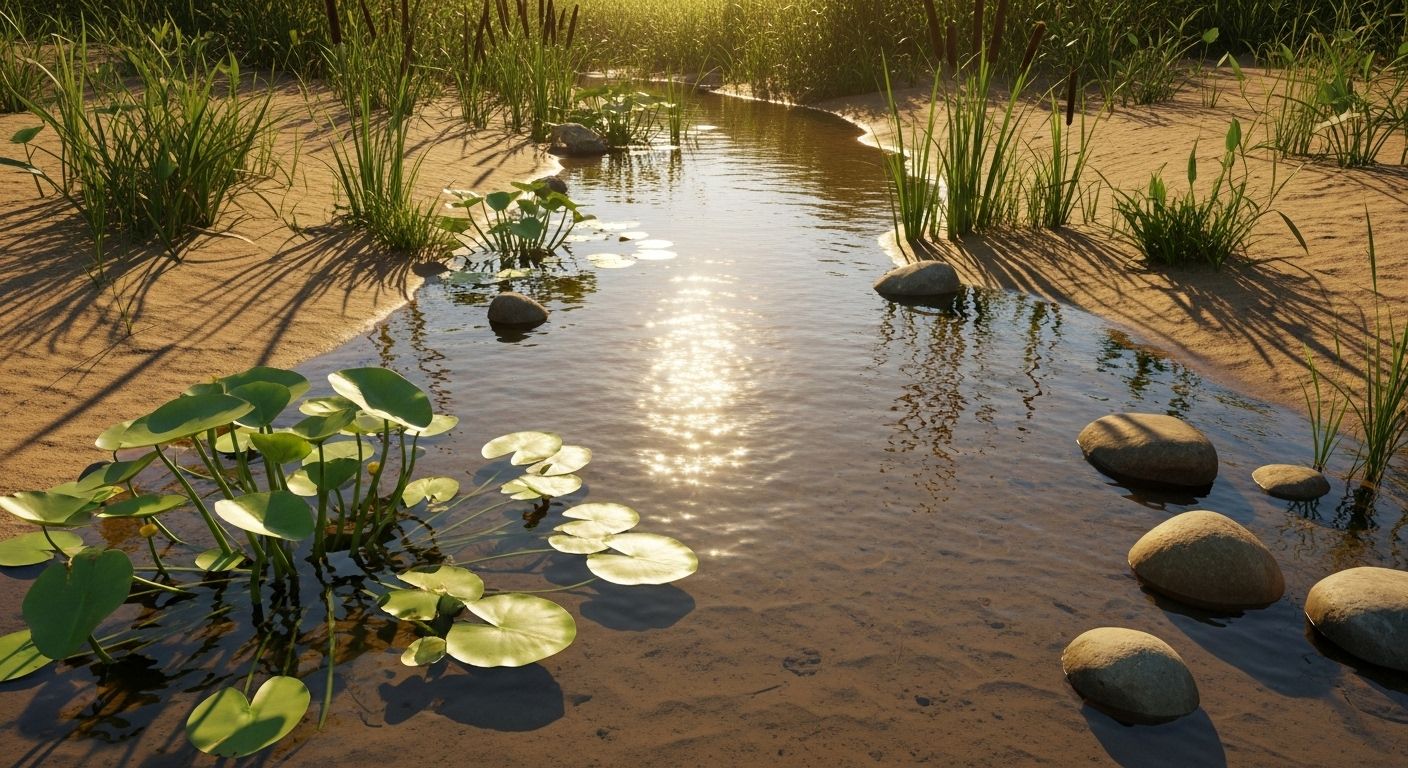
Window light? Useless. Glass blocks UVB—the invisible magic that keeps your turtle’s shell hard and immune system strong. In a proper southern painted turtle habitat, you need two bulbs: a **linear UVB 5.0 fluorescent tube** (not coil!) and a separate **basking heat lamp**. Run both on a 12-hour timer to mimic natural daylight. Replace the UVB bulb every 6–12 months—even if it still glows—because UV output fades silently. Skip this, and you’re basically setting your turtle up for a slow, painful decline. Don’t be that keeper.
Substrate & Decor: Less Is More (Seriously)
Truth time: most experienced keepers go bare-bottom. Why? Gravel = choking hazard + cleaning nightmare. A smooth, empty tank floor is easiest to siphon and sanitize. If you *gotta* have substrate for aesthetics, use large river rocks too big to swallow, or smooth slate tiles. Add live or artificial plants for cover—but avoid anything sharp or toxic. Driftwood? Great for climbing and basking. Just remember: in a southern painted turtle habitat, function beats flair every time. Keep it clean, keep it safe.
Temperature Tango: Warm Water, Hot Basking, Cool Nights
Southern painted turtles need a thermal gradient to thrive. Water temp should hover between **75–80°F** (use a submersible heater with a protective guard—turtles love to chew cords!). Basking zone? **85–90°F**. Nighttime? Let it dip to **70–75°F**—no extra heat needed unless your house feels like a meat locker. Use digital thermometers (not stick-ons—they lie!) to monitor both zones. Get this wrong, and your turtle’s digestion stalls. Too cold? They stop eating. Too hot? Stress city. Precision matters in a solid southern painted turtle habitat setup.
Outdoor Ponds: The Ultimate Upgrade (If You’re in the Right Zone)
If you live in USDA zones 6–10 and have a secure yard, an outdoor pond is the *dream* southern painted turtle habitat. Natural sunlight, seasonal rhythms, live insects, and room to roam—it’s turtle paradise. But! It must be predator-proof (raccoons, herons, and cats are sneaky), escape-proof (they climb better than you think), and deep enough to prevent overheating (minimum 18 inches). Add native plants like water lettuce for shade and filtration, and a ramp for easy exit. Just remember: never release captive turtles into the wild—they can spread disease and disrupt local ecosystems [[7]].
What Is the Best Habitat for a Painted Turtle? The Full Blueprint
Alright, y’all—here’s your cheat sheet for building a winning southern painted turtle habitat:
- Tank/Tub: 75–100+ gallons for adults
- Filtration: Canister filter (200+ GPH)
- Heating: Submersible water heater + basking lamp
- Lighting: UVB 5.0 tube + timer
- Basking Platform: Dry, stable, spacious
- Thermometers: Digital for water & basking zone
- Water Conditioner: Dechlorinator for every change
Frequently Asked Questions
What is the best habitat for a painted turtle?
The best southern painted turtle habitat includes a large tank (75–100+ gallons), powerful filtration, a dry basking area with heat and UVB lighting, clean shallow water maintained at 75–80°F, and a thermal gradient that mimics their natural wetland environment.
How big of an enclosure does a painted turtle need?
A single adult painted turtle requires a minimum of a 75-gallon enclosure, though 100+ gallons is ideal. Juveniles can start in 40-gallon tanks, but they outgrow them quickly—so plan ahead for a proper southern painted turtle habitat.
What is the painted turtles habitat?
In the wild, painted turtles inhabit shallow freshwater wetlands across North America. Their natural southern painted turtle habitat includes slow-moving ponds, marshes, and creeks with abundant vegetation, muddy bottoms, and ample basking sites.
Is a 40 gallon tank big enough for a painted turtle?
A 40-gallon tank is only suitable for a juvenile painted turtle. Adults need 75–100+ gallons to swim, turn, and thrive. Using a 40-gallon tank long-term compromises the health and well-being of your southern painted turtle habitat resident.
References
- https://www.animaldiversity.org/accounts/Chrysemys_picta/
- https://www.petmd.com/reptile/care/painted-turtle-care-sheet
- https://vcahospitals.com/know-your-pet/turtles-painted
- https://www.thesprucepets.com/painted-turtle-care-sheet-1238446
- https://reptifiles.com/painted-turtle-care-sheet/
- https://www.tortoisetrust.org/articles/paintedcare.html
- https://www.fws.gov/invasive-species/species-profiles/chrysemys-picta
- https://extension.psu.edu/painted-turtle-care
- https://www.seaturtles.org/article.php?id=105
- https://www.aquariumcoop.com/blogs/aquarium/painted-turtle-care