Scientific Name Of Turtle All Species List
- 1.
The Science Behind Turtles: What Do You Call It?
- 2.
Breaking Down the Scientific Name of Turtle: A Taxonomic Tango
- 3.
Meet the Seven Seas’ Shelled Superstars
- 4.
Hawksbill Turtles: The Ocean’s Living Artwork
- 5.
Why Scientific Names Matter More Than You Think
- 6.
Taxonomy Isn’t Set in Stone—It’s a Work in Progress
- 7.
From Beach to Lab: How Scientists Track Turtle Lineages
- 8.
The Cultural Echoes of Turtle Nomenclature
- 9.
Conservation Starts with Correct Identification
- 10.
Where to Dive Deeper Into the World of Turtles
Table of Contents
scientific name of turtle
Ever tried explaining to your dog why turtles got Latin names while they’re just chillin’ on a beach like, “Hey dude, you’re actually Chelonia mydas”? Spoiler: your pup won’t get it—but hey, neither did we until we dove deep into the wild world of taxonomy. Turns out, every flipper-flappin’, shell-sportin’ sea wanderer out there’s got a fancy scientific name that sounds like it belongs in a Shakespearean tragedy or a wizard’s spellbook. And no, “Mr. Slowpoke” doesn’t count—though honestly, we kinda wish it did.
The Science Behind Turtles: What Do You Call It?
So, what’s the science of turtles called? Straight-up answer: it ain’t got its own solo genre like “ornithology” for birds or “ichthyology” for fish. Nah, turtle science rolls under the big ol’ umbrella of herpetology—the study of reptiles and amphibians. Yep, your average herpetologist is out there geekin’ over geckos, salamanders, and yes, our beloved shelled sailors. When they zoom in on turtles specifically, they’re knee-deep in chelonian research (‘cause “turtleology” just didn’t stick—shame, really). The term “chelonian” comes from the Greek word chelone, meaning tortoise, and it covers all turtles, tortoises, and terrapins. So next time you spot someone squinting at a pond with binoculars and a notebook, don’t assume they’re birdwatching—they might just be whisperin’ sweet nothings to a painted turtle named Kevin.
Breaking Down the Scientific Name of Turtle: A Taxonomic Tango
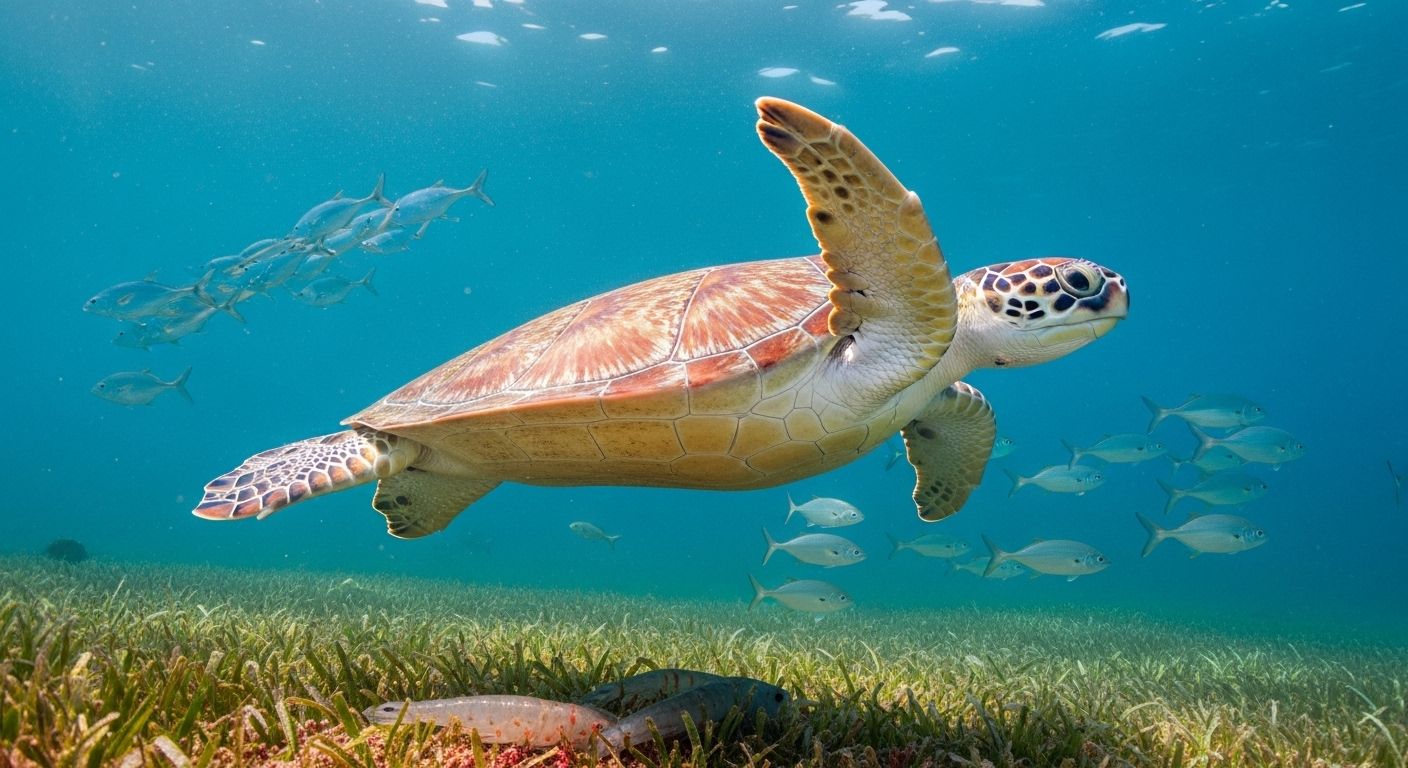
Alright, let’s get nerdy for a sec. The scientific name of turtle isn’t just one fancy phrase—it’s part of a whole classification system that’s been around since Carl Linnaeus dropped the taxonomy mic back in the 1700s. Every critter on Earth gets sorted into seven levels, like a biological family tree with extra steps. For turtles, it goes a lil’ somethin’ like this: Kingdom → Phylum → Class → Order → Family → Genus → Species. Take the green sea turtle, for example: Animalia (kingdom), Chordata (phylum), Reptilia (class), Testudines (order)—yep, that’s the official club name for all turtles—and then it branches off depending on the type. This hierarchy ensures that whether you’re in Miami or Melbourne, when you say Chelonia mydas, everyone knows you’re talkin’ about that sleek, algae-munchin’ ocean cruiser. No mix-ups, no slang—just pure, uncut science.
Meet the Seven Seas’ Shelled Superstars
Now, hold up—when folks say “turtle,” they might mean your backyard box turtle or that majestic leatherback glidin’ through midnight waves. But if we’re narrowin’ it down to the oceanic legends, there are exactly seven species of sea turtles, each with its own swagger and scientific name of turtle flair. We got the Green (Chelonia mydas), Loggerhead (Caretta caretta), Kemp’s Ridley (Lepidochelys kempii), Olive Ridley (Lepidochelys olivacea), Hawksbill (Eretmochelys imbricata), Flatback (Natator depressus), and the heavyweight champ, the Leatherback (Dermochelys coriacea). These ain’t just names—they’re ID cards stamped by evolution. And fun fact? All seven are either threatened or endangered. So yeah, their scientific name of turtle might sound cool in a textbook, but in real life, it’s attached to creatures fightin’ tooth and nail (well, beak and flipper) to survive.
Hawksbill Turtles: The Ocean’s Living Artwork
What is a hawksbill turtle, you ask? Picture this: a creature so stunning, ancient civilizations turned its shell into jewelry—literally. The hawksbill (Eretmochelys imbricata) gets its name from that sharp, hawk-like beak perfect for pluckin’ sponges outta coral crevices (yes, sponges—turtles got weird diets). Its shell? Oh man, it’s got this amber-and-black marbled pattern called “tortoiseshell,” which made it a target for centuries. Tragically, that beauty nearly wiped ‘em out. Today, the scientific name of turtle for the hawksbill screams both elegance and urgency. They’re critically endangered, yo. But here’s the hopeful twist: marine sanctuaries and strict bans on tortoiseshell trade are helpin’ these ocean artists stage a comeback. Still, every time you see Eretmochelys imbricata in a paper or poster, remember—it’s not just taxonomy; it’s a call to protect somethin’ irreplaceable.
Why Scientific Names Matter More Than You Think
Let’s cut through the jargon: why bother with a scientific name of turtle when “sea turtle” works just fine at the beach bar? ‘Cause common names lie. In Texas, “slider” might mean a red-eared slider; in Thailand, it could mean somethin’ totally different. But Trachemys scripta elegans? That’s universal. Scientists, conservationists, even customs officers at airports use these Latin tags to avoid confusion, track populations, and enforce laws. Imagine tryin’ to stop illegal wildlife trafficking with “uh, the spiky one with the orange belly”—not exactly courtroom material. Plus, these names carry stories. Dermochelys coriacea? “Dermo” = skin, “chelys” = turtle, “coriacea” = leathery. Boom—Leatherback, described in three syllables. That’s poetry wrapped in biology.
Taxonomy Isn’t Set in Stone—It’s a Work in Progress
Here’s a plot twist: the scientific name of turtle you learned in fifth grade might’ve changed by now. Taxonomy’s not some dusty old rulebook—it’s alive, breathin’, and arguin’ with itself like a family at Thanksgiving. DNA tech blew the doors open, and suddenly, scientists realized some “species” were actually cousins, or that certain turtles needed reclassification. Take the Flatback turtle (Natator depressus): it used to hang out in the Chelonia genus until genetic evidence said, “Nah, you’re your own thing.” So yeah, today’s definitive list could get a remix tomorrow. And that’s okay! Science evolves—just like turtles did over 220 million years. Respect the process, even if it means rewritin’ flashcards.
From Beach to Lab: How Scientists Track Turtle Lineages
Ever wonder how researchers pin down the exact scientific name of turtle for a newly spotted specimen? It ain’t guesswork. Teams collect tissue samples (often non-invasively—nobody’s hurtin’ these gentle giants), run genetic sequencing, compare shell morphology, and cross-reference with global databases like the Reptile Database or IUCN Red List. Sometimes, they even analyze ancient fossils to trace lineage. One study found that modern sea turtles diverged from land-dwelling ancestors during the Late Jurassic—meaning your average sea turtle’s great-great-(x10⁶)-grandpappy was probably dodgin’ dinosaurs. Wild, right? So when you read Caretta caretta, know it’s backed by decades of fieldwork, lab coats, and satellite tags pingin’ across oceans.
The Cultural Echoes of Turtle Nomenclature
Beyond Latin, the scientific name of turtle often whispers echoes of local lore. Eretmochelys imbricata? “Imbricata” means overlapping tiles—nod to those gorgeous scutes on its shell. Indigenous coastal communities have their own names too: in Hawaiian, the green sea turtle is “honu,” a symbol of longevity and good luck. While these aren’t part of formal taxonomy, they remind us that turtles live in both scientific journals and human hearts. Even the word “testudines” (the order name) comes from “testudo,” Latin for shield—because to ancient Romans, a turtle’s shell was nature’s armor. So yeah, every scientific name of turtle carries layers: biological, historical, cultural. It’s never just a label.
Conservation Starts with Correct Identification
You can’t save what you can’t name. Accurate use of the scientific name of turtle is clutch for conservation. Mislabeling a Kemp’s Ridley as a Loggerhead in a rescue report? Could mess up breeding programs or migration tracking. NGOs like Sea Turtle Conservancy rely on precise IDs to lobby for protected nesting beaches or fishing gear reforms. In 2025, a tagging project off Florida’s coast used genetic barcoding to confirm juvenile Lepidochelys kempii presence—data that directly influenced new trawl net regulations. Bottom line: when policy meets precision, turtles win. And honestly, who wouldn’t wanna fight for a creature whose very name sings of resilience?
Where to Dive Deeper Into the World of Turtles
If this deep dive into the scientific name of turtle left you hungry for more (and let’s be real—it should), you’re in luck. Start with the Sea Turtle Farm homepage for the latest updates on global efforts. Then, explore our dedicated Species section where each turtle’s story unfolds with maps, calls, and conservation status. Cravin’ specifics on the ocean’s emerald icon? Our full feature on the Green Sea Turtle Scientific Name Chelonia Mydas breaks down everything from diet to diaspora. Whether you’re a student, a snorkeler, or just someone who cried watching a hatchling reach the sea—there’s a place for you in this shell-backed saga.
Frequently Asked Questions
What is the science of turtles called?
The science of turtles falls under herpetology, which is the branch of zoology focused on reptiles and amphibians. Specialists studying turtles may also refer to themselves as chelonologists, derived from "chelonia"—the broader group encompassing all turtles, tortoises, and terrapins. This field uses the scientific name of turtle to ensure precise identification across global research and conservation efforts.
What are the 7 levels of classification for turtles?
The seven taxonomic levels for any turtle, including its scientific name of turtle, follow the standard biological hierarchy: Kingdom (Animalia), Phylum (Chordata), Class (Reptilia), Order (Testudines), Family (e.g., Cheloniidae or Dermochelyidae), Genus (e.g., Chelonia), and Species (e.g., mydas). Together, the genus and species form the binomial scientific name of turtle, such as Chelonia mydas for the green sea turtle.
What are the 7 species of sea turtles?
The seven recognized species of sea turtles, each with its unique scientific name of turtle, are: Green (Chelonia mydas), Loggerhead (Caretta caretta), Kemp’s Ridley (Lepidochelys kempii), Olive Ridley (Lepidochelys olivacea), Hawksbill (Eretmochelys imbricata), Flatback (Natator depressus), and Leatherback (Dermochelys coriacea). All are marine reptiles protected under international conservation agreements due to declining populations.
What is a hawksbill turtle?
A hawksbill turtle (Eretmochelys imbricata) is a critically endangered sea turtle known for its pointed beak and beautifully patterned shell, historically harvested for “tortoiseshell.” Its scientific name of turtle reflects its physical traits: “Eretmochelys” combines Greek words for “oar” and “turtle,” referencing its paddle-like flippers, while “imbricata” describes the overlapping scutes on its carapace. Found primarily in tropical coral reefs, the hawksbill plays a vital role in maintaining healthy reef ecosystems.
References
- https://www.fisheries.noaa.gov/species/sea-turtles
- https://www.iucnredlist.org/groups/reptiles
- https://www.reptile-database.org/db-info/introduction.html
- https://oceanservice.noaa.gov/facts/turtlenames.html