Loggerhead Turtle Habitat Thrives in Coastal Zones
- 1.
What is the loggerhead turtles habitat? — Where Sand, Surf, and Shells Collide
- 2.
Where are loggerhead turtles found in the world? — A Global Road Trip with No GPS
- 3.
Three main regions where loggerhead turtles nest — The Holy Trinity of Sand and Shell
- 4.
Coastal Love Story: How Estuaries & Inlets Shape Juvenile Survival
- 5.
The Open Ocean Years: Riding the Gyres Like Driftwood Royalty
- 6.
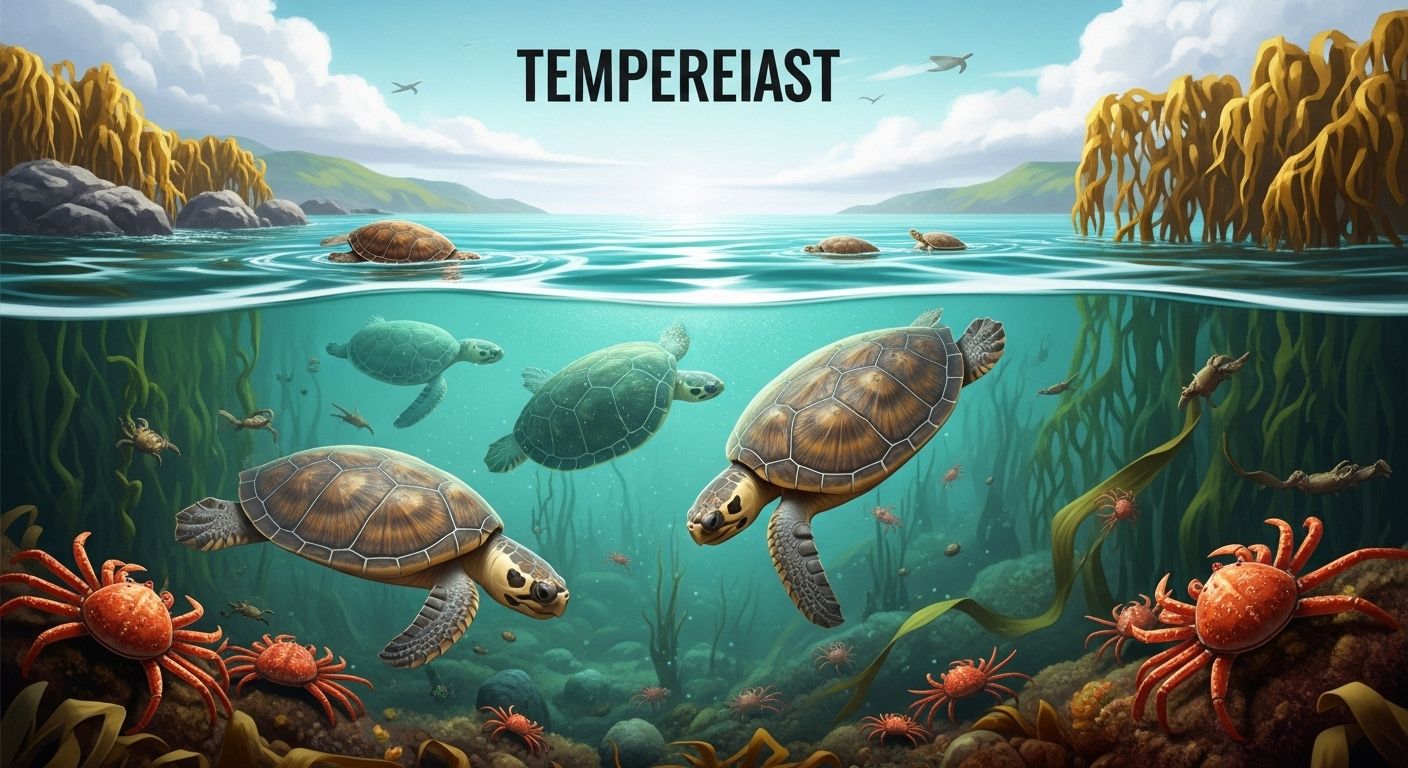
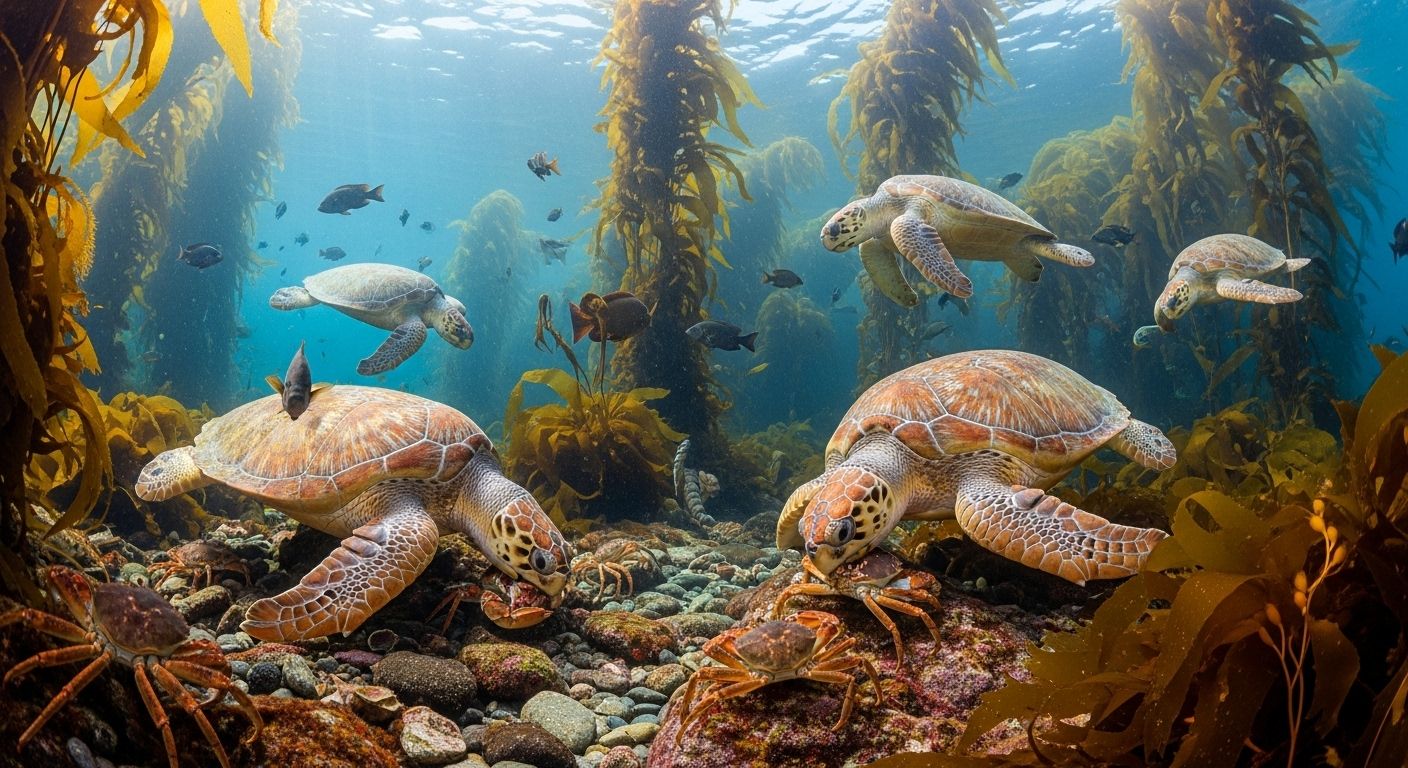
Diet & Habitat Interplay: Why Crabs = Coastal Real Estate
- 7.
Thermal Niches: Why These Turtles Are Sun Worshipers (With Limits)
- 8.
Light, Sound, and Human Noise: Sensory Pollution in Coastal Zones
- 9.
Nesting Rituals: The Midnight Ballet on the Dunes
- 10.
Hope in Action: Protecting the Loggerhead Turtle Habitat for Generations
Table of Contents
loggerhead turtle habitat
What is the loggerhead turtles habitat? — Where Sand, Surf, and Shells Collide
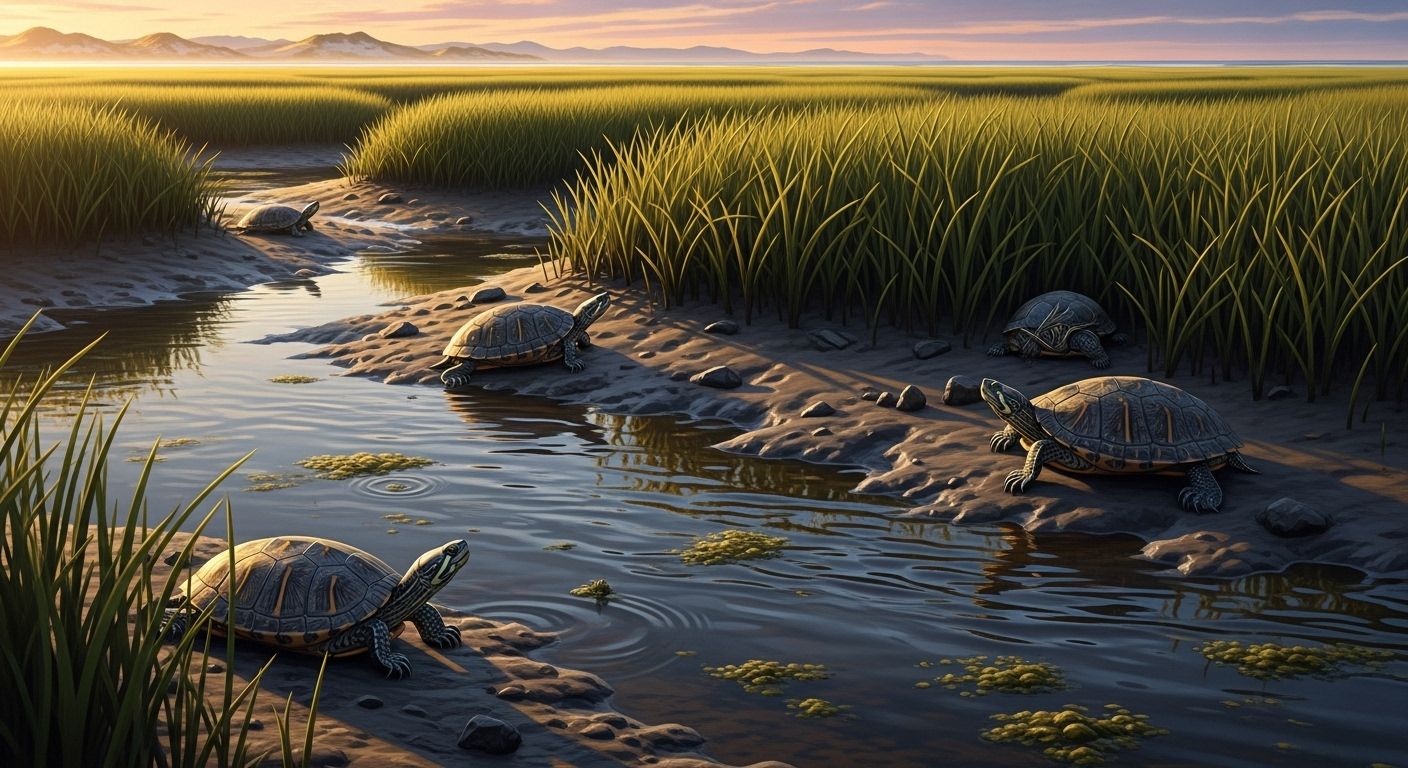
Y’all ever watch a golden retriever sprint toward the surf, nose twitchin’, tail a-blur, like the whole Atlantic’s hidin’ his favorite tennis ball out yonder? That’s *exactly* how we feel every time we pull up to a loggerhead nesting beach at dawn—heart full, boots sandy, thermos leakin’ lukewarm coffee down our sleeve. Because the loggerhead turtle habitat ain’t just water and sand—it’s rhythm. It’s the *thump-thump* of waves on dunes. The *hiss-crunch* of coarse granules under a 250-pound reptile draggin’ herself ashore. The loggerhead turtle habitat stretches from open ocean highways to quiet salt marsh backwaters, but its soul lives in three sacred zones: nesting beaches (think Georgia’s Cumberland Island, Florida’s Archie Carr Refuge), neritic foraging grounds (shallow continental shelves rich in crabs and mollusks), and—yep—even estuaries like the Chesapeake Bay, where juveniles fatten up like college freshmen at an all-you-can-eat shrimp boil. These turtles? They don’t want luxury. They want *consistency*—same slope, same grain size, same moon phase, same tide pull. Mess with that cadence, and the whole symphony stutters.
Where are loggerhead turtles found in the world? — A Global Road Trip with No GPS
Loggerheads don’t punch timecards—they punch *continents*. You’ll spot ’em off the Carolinas in May, driftin’ near the Azores by August, hittin’ nesting beaches in Greece or Oman by June, and—get this—some even swing through *Japan* or *South Africa* like they’re on a gap year funded by Poseidon himself. Their range? Practically huggin’ every temperate-to-tropical coastline on Earth. The Atlantic population? Dominates the western basin: 90% of U.S. nesting happens in Florida alone—over 67,000 nests recorded in 2023. But don’t sleep on the Med: Greece, Turkey, and Cyprus host nearly 3,000 nests annually. Down under? Australia’s Great Barrier Reef lagoon and the beaches of Western Australia (especially Gnaraloo) pulse with activity June–March. Even the Indian Ocean lights up—Oman’s Ras al Hadd hosts the *largest* nesting aggregation outside the Americas. One tagged female, nicknamed “Rosie,” logged 11,000 miles over 18 months: Florida → Bahamas → Cuba → Yucatán → back to same dune. No Uber. No map. Just instinct, current, and the deep hum of the loggerhead turtle habitat callin’ her home.
Three main regions where loggerhead turtles nest — The Holy Trinity of Sand and Shell
If the loggerhead turtle habitat were a country, it’d have three capital cities—and honey, *all* of ’em run on moonlight and muscle memory.
1. Southeastern United States (esp. Florida)
Hands down, the heavyweight champ. Florida’s 1,350-mile coastline hosts ~90% of all Atlantic loggerhead nests—67,842 in 2023 alone. Hotspots: Melbourne Beach, Juno Beach, and the Archie Carr National Wildlife Refuge (where densities hit *1,000+ nests per mile* during peak season). Why here? Warm sand, minimal predation (thanks to patrols), and decades of protection laws.
2. Mediterranean Basin
Greece owns this zone—Zakynthos’ Laganas Bay is UNESCO-protected, with ~1,200 nests/year. Turkey’s Dalyan Delta and Cyprus’ Alagadi Beach bring up the rear. Fun fact: Med nests skew smaller (avg. 100 eggs) vs. Florida’s 120+, likely due to cooler sand temps.
3. Southwest Pacific (Australia)
Two epicenters: Mon Repos near Bundaberg (Queensland), and Gnaraloo (Western Australia). Mon Repos sees 600–800 nests yearly—and offers guided night tours where y’all can *watch* emergence (no flash, no freakin’ out). Gnaraloo? Remote, rugged, raw—nesting surges in winter (June–Aug), synced to Southern Hemisphere rhythms.
These ain’t just beaches. They’re ancestral archives. And each one holds a chapter in the loggerhead turtle habitat story we’re still tryna read right.
Coastal Love Story: How Estuaries & Inlets Shape Juvenile Survival
Adults get the glamour—moonlit crawls, camera crews, hashtags—but let’s talk real MVPs: the *juveniles*. After hatchlings ride the Gulf Stream out to the Sargasso Sea (nature’s nursery raft), survivors under 20 cm long don’t head straight offshore. Nah. They detour—into bays, sounds, and estuaries. Why? ‘Cause the loggerhead turtle habitat for youngsters is all about *buffet variety* and *cover*.
The Chesapeake Bay alone hosts up to 15,000 juvenile loggerheads each summer—gobbling blue crabs, razor clams, and even jellyfish like it’s a seafood festival in Annapolis. Stats? Juveniles in productive estuaries grow *3x faster* than oceanic drifters. Their carapace darkens with algae, camouflagin’ ’em like moss on a whiskey barrel. But here’s the risk: these same inlets are dredged, developed, lined with crab pots that double as death traps. In 2022, 212 juvenile strandings in Virginia tied directly to bycatch in recreational gear. So love the estuary—but protect it like your grandma’s pecan pie recipe: no shortcuts, no substitutions.
The Open Ocean Years: Riding the Gyres Like Driftwood Royalty
Here’s where the magic gets weird: after hatchlings scramble to sea, they vanish—for *years*. We call it “the lost years” (cue dramatic fiddle music). Satellite tags now show many hitch rides on the North Atlantic Subtropical Gyre—a circular current highway that spins from Florida to Africa and back. Some float in Sargassum mats so thick, they look like floating islands on radar. These rafts? Mini-ecosystems. Shrimp, crabs, baby fish—all trapped, all snackable. One study found *70%* of post-hatchlings in Sargasso mats had stomachs full of pelagic crabs and gooseneck barnacles. Their shells get draped in hydroids and bryozoans—living capes of camouflage. This phase can last 7–12 years, until they hit ~70 cm and the loggerhead turtle habitat whispers: *“Time to come home.”* Back they go—not by sight, but by Earth’s magnetic field, like carryin’ an internal Garmin forged in evolution.
Diet & Habitat Interplay: Why Crabs = Coastal Real Estate
Loggerheads don’t *choose* their loggerhead turtle habitat—they *follow the menu*. And the signature dish? Hard-shelled invertebrates. Blue crabs. Whelks. Conchs. Clams. Their jaws are hydraulic presses, capable of crushing 1,000 psi—enough to snap a coconut (seriously; lab tests confirmed it). That means they need shallow, benthic zones where prey burrows in sand or hides in seagrass. Florida Bay? Perfect. Mudflats off South Carolina? Chef’s kiss. But here’s the kicker: when oyster reefs collapse or seagrass dies (thanks, runoff and warming), the buffet closes. In the 2010s, a 40% decline in seagrass coverage in the Indian River Lagoon coincided with a 28% drop in foraging loggerheads. Their habitat isn’t just *where* they are—it’s *what they eat*. No crabs? No turtles. Simple as sweet tea: if the sugar don’t dissolve, it ain’t drinkable.
Thermal Niches: Why These Turtles Are Sun Worshipers (With Limits)
Loggerheads ain’t polar explorers—*but* they’re tougher than they look. Core loggerhead turtle habitat sits between 20°C–30°C (68°F–86°F), yet adults tolerate dips to 10°C (50°F) for short bursts. Below that? Cold-stunning kicks in: muscles lock, buoyancy fails, they wash ashore like soggy driftwood. In Jan 2018, a cold snap off Cape Cod stranded *1,200+ sea turtles*—87% were loggerheads. Most survived rehab (shout-out to Mass Audubon), but it’s a warning: as Gulf Stream patterns shift, warm-water corridors shrink. Meanwhile, *too much* heat’s just as deadly: sand above 34°C (93°F) skews hatchling sex ratios *heavily* female. At 35°C? 99% girls. Cute? Sure. Sustainable? Nope. So the loggerhead turtle habitat walks a thermal tightrope—balancin’ warmth without burnin’ the future.
Light, Sound, and Human Noise: Sensory Pollution in Coastal Zones
Hatchlings don’t read maps—they read *light*. Moon on water = ocean. But streetlights? Parking lot floods? Neon motel signs? Those scream *“This way!”* to a confused 40-gram fluffball. In developed zones, disorientation rates hit 60–80%—babies crawl inland, dehydrate, get snatched by raccoons or cars. Florida alone spends $2M/year retrofitting beachfront lighting to “turtle-safe” amber LEDs (560nm wavelength, low intensity, downward shielded). But light’s just Act One. Enter *sound*: pile-driving for marinas, sonar testing, even Jet Skis. Loggerheads hear best between 200–750 Hz—the same range as boat engines. Playback experiments show foraging dives shorten by 35% in noisy zones. So the modern loggerhead turtle habitat isn’t just physical space—it’s *acoustic and visual sanctuary*. And right now? Too many beaches are shoutin’ when they oughta be whisperin’.
Nesting Rituals: The Midnight Ballet on the Dunes
Picture this: 2 a.m. Pitch black. Wind smellin’ like salt and palmetto. Then—a *thump*, then another. Sand flies. A shadow heaves up the berm, flippers diggin’ like she’s late for Sunday service. *That’s* the loggerhead nesting ballet. She digs a body pit first—wide, shallow, like a lounge chair. Then the egg chamber: narrow neck, bulbous base, 45 cm deep. In go 100–126 ping-pong balls, leathery and white. Cover-up takes 45 minutes—flipper-fanning sand like she’s puttin’ out a campfire. Total energy burn? Equivalent to *running a marathon*. And she does this 3–5 times a season. What makes a beach “chosen”? Slope (2–10° ideal), grain size (0.3–0.5 mm—coarse enough to drain, fine enough to hold shape), and *distance from high tide*. One storm surge, and the whole clutch’s soup. Which is why the loggerhead turtle habitat isn’t just *any* beach—it’s a *precise* intersection of physics, timing, and legacy. Her great-great-great-grandmama nested *right here*. So will her babies. If we let ’em.
Hope in Action: Protecting the Loggerhead Turtle Habitat for Generations
Yeah, the numbers can sting—*but*—listen: Florida’s nesting numbers have *doubled* since 2000. Turtle Excluder Devices (TEDs) in shrimp trawls cut bycatch by 97%. Community patrols in Georgia’s Golden Isles report *zero* poached nests in 2024. This ain’t luck. It’s *work*. And y’all can join it—no PhD required.
- Volunteer with nest monitoring (many programs train civilians in 2 weekends)
- Choose seafood certified by the Sea Turtle Farm Sustainable Alliance
- Dive into deeper habitat science at our Habitat resource hub
- Try budget-friendly conservation at home: see our guide Pet Turtle Habitats: DIY Cheap Build for ethical micro-habitat inspiration
Frequently Asked Questions
What is the loggerhead turtles habitat?
The loggerhead turtle habitat spans three life-stage zones: (1) sandy, sloping beaches for nesting (e.g., Florida, Greece, Australia); (2) shallow neritic waters—continental shelves, estuaries, lagoons—for foraging on crabs and mollusks; and (3) open-ocean gyres, especially the Sargasso Sea, where juveniles drift in Sargassum mats. Critical features include stable dune systems, minimal artificial lighting, and healthy benthic prey populations.
What are 5 interesting facts about loggerhead turtles?
Here are five wild truths about loggerheads: (1) Their jaws exert ~1,000 psi—enough to crush a coconut. (2) They navigate using Earth’s magnetic field like a built-in GPS. (3) Juveniles spend up to 12 years in the open ocean—the “lost years.” (4) They host symbiotic hitchhikers: barnacles, remoras, even algae gardens on their shells. (5) A single female may lay 3–5 clutches per season, totaling 400+ eggs—but only ~1 in 1,000 hatchlings survives to adulthood in the loggerhead turtle habitat.
Where are loggerhead turtles found in the world?
Loggerhead turtles are found in temperate and tropical waters across the Atlantic, Pacific, and Indian Oceans. Major populations nest in the southeastern U.S. (especially Florida), the Mediterranean (Greece, Turkey, Cyprus), and Australia (Queensland & Western Australia). Foraging ranges extend to Japan, South Africa, Brazil, and the Azores—making the loggerhead turtle habitat one of the most globally distributed among sea turtles.
What are three main regions where loggerhead turtles nest?
The three primary nesting regions for loggerhead turtles are: (1) the **Southeastern United States**, particularly Florida (hosting ~90% of Atlantic nests); (2) the **Mediterranean Basin**, led by Greece’s Zakynthos and Turkey’s Dalyan; and (3) **Australia**, especially Mon Repos in Queensland and Gnaraloo in Western Australia. Together, these zones support over 95% of global nesting activity in the loggerhead turtle habitat.
References
- https://www.fws.gov/species/loggerhead-sea-turtle-caretta-caretta
- https://www.seaturtles.org/article.php?sid=1027
- https://www.iucnredlist.org/species/3898/143611461
- https://oceanservice.noaa.gov/facts/loggerhead.html