Red Slider Eggs Promise Tiny Turtle Hatchlings
- 1.
Ever Caught Your Red-Eared Slider Diggin’ Like She’s Buryin’ Treasure? Congrats—You’re About to Witness red slider eggs Magic
- 2.
Where Do Red-Eared Sliders Lay Their Eggs? Spoiler: Not in the Pool
- 3.
How to Tell If a Red-Eared Slider Has Eggs: The Clues Are Subtle (But Loud)
- 4.
How Many Eggs Does a Red-Eared Slider Lay? It’s a Numbers Game
- 5.
What to Do If Your Red-Eared Slider Lays Eggs? Don’t Panic. Do This.
- 6.
Egg-Binding Blues: When red slider eggs Won’t Exit Stage Left
- 7.
Temperature-Dependent Sex Determination: Why These red slider eggs Are Climate Warriors
- 8.
Wild vs. Captive Laying: Nature’s Script vs. Our Best Guess
- 9.
Egg Viability: Not Every red slider eggs Gets a Happy Hatch
- 10.
Your Next Move: From Observer to Guardian of red slider eggs
Table of Contents
red slider eggs
Ever Caught Your Red-Eared Slider Diggin’ Like She’s Buryin’ Treasure? Congrats—You’re About to Witness red slider eggs Magic
Picture this: you walk into the backyard, iced coffee in hand, and there’s your sweet red-eared slider—normally chill as a Florida sunset—now frantically clawin’ at the soil like she’s auditionin’ for *Dancing with the Earthworms*. You blink. “Wait… is she… *nesting*?” Yep, pal. That’s the red flag (or should we say, *red slider* flag?) that red slider eggs are on deck. And no, she ain’t just redecoratin’—she’s got biology on her side, and it’s time we talk turkey (or, y’know… turtle).
Where Do Red-Eared Sliders Lay Their Eggs? Spoiler: Not in the Pool
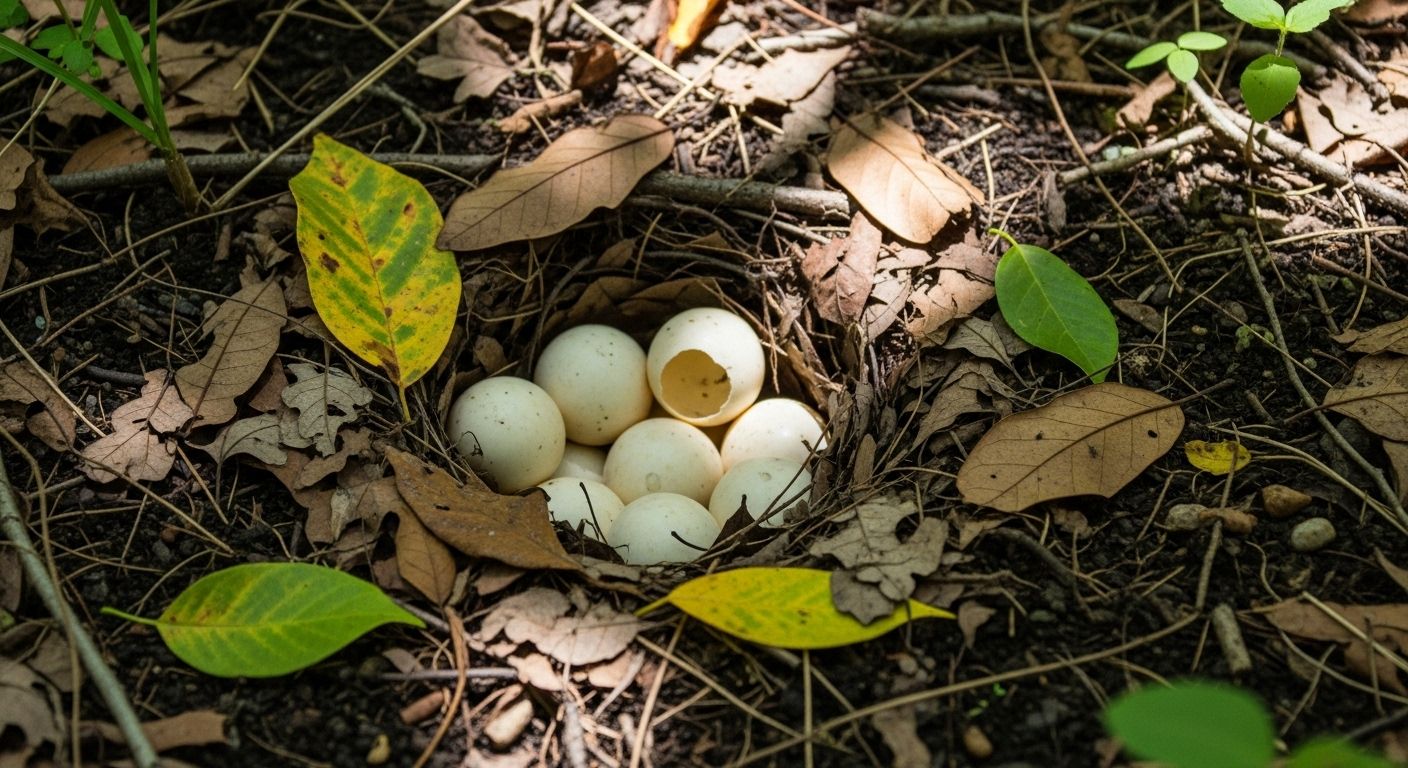
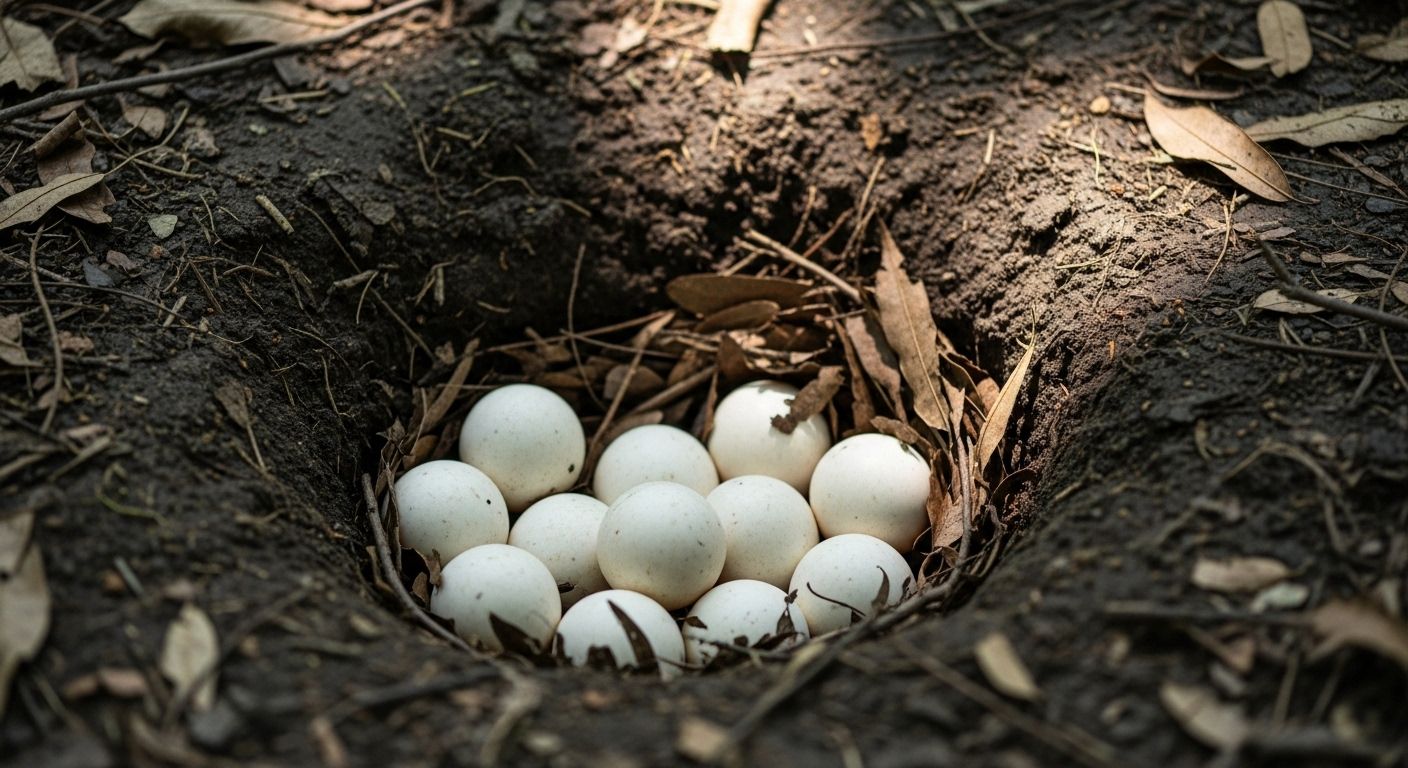
First off—despite what TikTok might suggest—red-eared sliders *don’t* lay eggs in water. They ain’t fish, bless their scaly hearts. Nope, when a female’s got red slider eggs brewin’, she *hauls* herself onto dry land like a tiny, determined Olympian. Her ideal spot? Sunny, well-drained soil—think sandy banks, mulched garden beds, or even your prized flowerbed (sorry, marigolds). She’ll dig a flask-shaped burrow ~4–7 inches deep, drop her clutch, cover it like a pro, and waddle off like, “Job’s done, y’all.” Nature’s version of ghostin’—but in the *best* possible way.
How to Tell If a Red-Eared Slider Has Eggs: The Clues Are Subtle (But Loud)
You can’t exactly ask her, “Hey, you carryin’?” But her body *will* spill the beans—if you know how to read the signs. A gravid (egg-carrying) slider often:
- Paws at surfaces—even glass or tile, like she’s dreamin’ of sand;
- Stops eating or eats way less for 1–2 weeks pre-lay;
- Gets restless—pacing, climbing, *escaping*;
- Swims oddly—tilted, buoyant, or floaty (eggs take up space, folks);
- Shows a slightly “boxy” plastron when viewed from above (a gentle *thickening*, not swelling).
Gently palpate *only* if you’re trained—but honestly? Just watch her behavior. That nesting dance? Unmistakable. One wrong move, and those red slider eggs could get resorbed or—worse—lead to egg binding (a vet emergency). So, tread softly, friend.
How Many Eggs Does a Red-Eared Slider Lay? It’s a Numbers Game
Here’s where it gets wild: one clutch of red slider eggs can range from *just 2* (yep, tiny family goals) to a whopping *30+*—though 8–12 is the Goldilocks zone for most adults. And get this—she might lay *multiple clutches* per season, 2–4 weeks apart. So that one frantic digging session? Could be Act I. Producers: Mother Nature. Runtime: All summer. Below’s what the data says (based on 2024 field studies across Texas, Georgia, and Carolinas):
| Female Age/Size | Avg. Clutch Size | Max Observed |
|---|---|---|
| 3–5 yrs / 5–7 in carapace | 4–8 | 11 |
| 6–10 yrs / 7–10 in | 8–14 | 22 |
| 10+ yrs / 10+ in | 10–16 | 34 (!) |
Wild, right? Bigger, older gals = more red slider eggs. But size ain’t everything—nutrition, UV exposure, and stress levels play *huge* roles. A well-cared-for pet? Might out-lay a wild cousin any day.
What to Do If Your Red-Eared Slider Lays Eggs? Don’t Panic. Do This.
Okay—*she dug*. *She laid*. *She covered it*. And now you’re starin’ at a suspicious mound goin’, “Do I… water it? Mark it? Call a priest?” Nah. Here’s your no-drama action plan:
- 📸 Document first—note date, location, weather;
- 🪴 Leave it undisturbed—don’t dig, poke, or rotate eggs (the embryo anchors early!);
- 🛡️ Protect the nest—use a wire mesh dome (predator-proof, but air-permeable);
- ☀️ Monitor conditions—ideal incubation: 82–86°F, 75–85% humidity;
- 🩺 Vet check if she’s still restless—could mean retained eggs.
If it’s indoors (like in a nesting box), and you wanna hatch ‘em? Gently excavate *within 12 hours*, transfer to vermiculite in an incubator—**no turning**, mark the top with pencil—then wait 55–75 days. Patience, grasshopper. Those red slider eggs are incubatin’ miracles.
Egg-Binding Blues: When red slider eggs Won’t Exit Stage Left
Sometimes, despite all the digging and pacing, the red slider eggs just… stall. This is dystocia—aka egg binding—and it’s *serious*. Signs? Lethargy, straining without results, swollen cloaca, or floating lopsided in water. Causes range from calcium deficiency (brittle shells = can’t pass) to malformed eggs, stress, or no proper nesting site. “But she’s got a nice sand bin!” — Cool, but is it *private*? Is it *warm*? Is it *deep enough*? Red-eared sliders are *private* about this biz. If she’s been “in labor” >48 hrs? Scoop her up and call the reptile vet—*stat*. Oxytocin + calcium + fluids can save her life. Never wait it out.
Temperature-Dependent Sex Determination: Why These red slider eggs Are Climate Warriors
Here’s the *real* magic: the sex of baby sliders isn’t decided by chromosomes—it’s baked into the soil. Yep. During the middle third of incubation:
- 77–80°F → mostly *males*
- 88–90°F → mostly *females*
- 82–86°F → *mixed clutch*
So those red slider eggs? They’re literal climate recorders. A hotter summer = more girls. A cooler spring = more boys. Scientists are watchin’ this like hawks—as global temps rise, some wild populations are skewing 90% female. Chillin’ fact? Or existential crisis? You decide. But for backyard breeders: dial your incubator to choose your team. Go Team Turtle.
Wild vs. Captive Laying: Nature’s Script vs. Our Best Guess
In the wild, red-eared sliders time their red slider eggs to spring/early summer—peak food, warm soil, long days. Captive girls? Not so lucky. Without seasonal cues (shorter daylight, cooler nights), they might lay year-round—or not at all. That’s why *environmental enrichment* matters:
- 🌡️ Drop basking temp by 5°F for 2 weeks in “winter”;
- 💡 Use timers: 10 hrs light in “winter”, 14 hrs in “summer”;
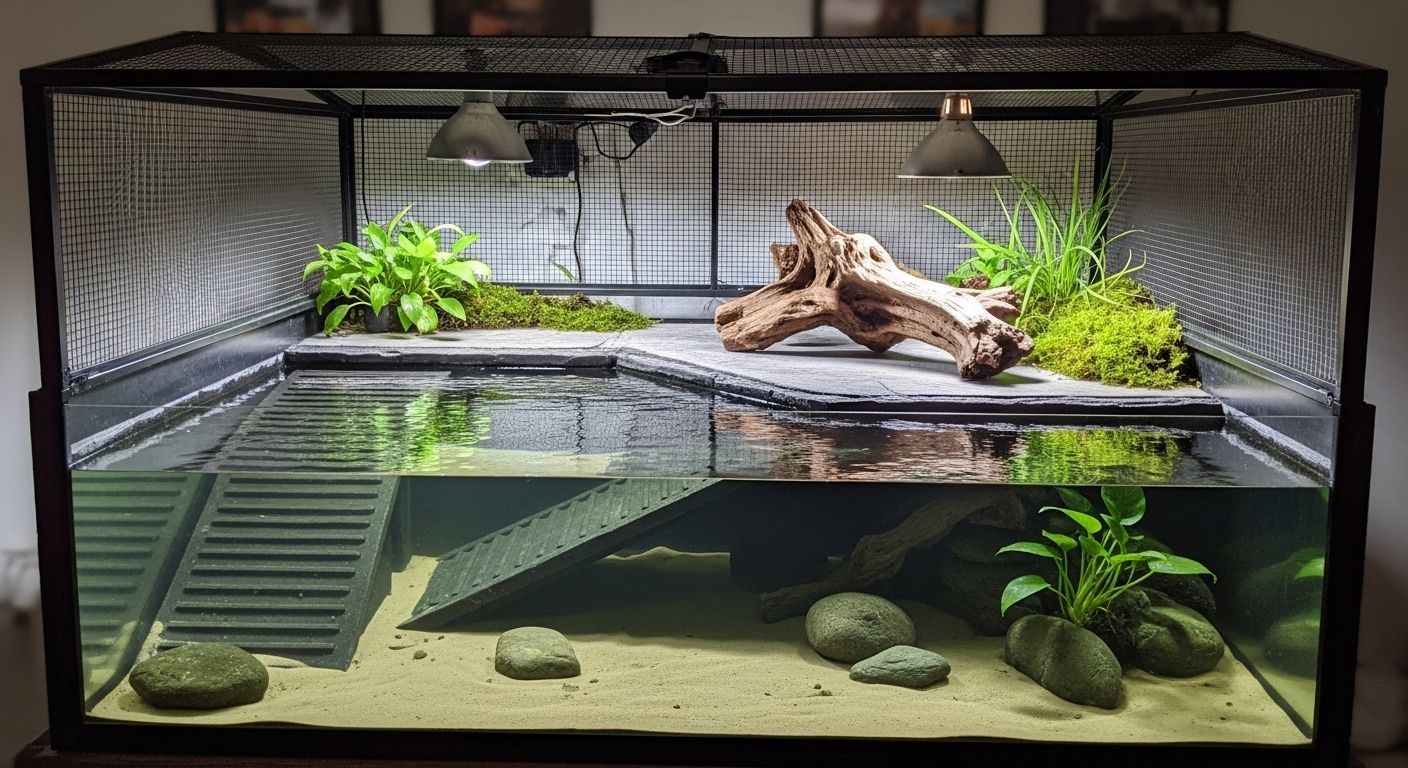
- 🌿 Offer a *deep*, secluded nesting area *before* she starts stress-digging.
When you sync with her biology instead of fightin’ it? You get healthier moms—and way fewer surprise clutches in the mulch pile.
Egg Viability: Not Every red slider eggs Gets a Happy Hatch
Let’s keep it real: not all red slider eggs make it. Infertile ones (often from solo females) look dull, collapse early, or grow mold fast. Fertile ones stay plump, chalky-white, and develop pink veins by day 10. Pro tip: candle them at day 7 with a bright LED—look for that spiderweb of blood vessels. If it’s clear? Probably a dud. Toss it (don’t compost—risk of bacteria). Even fertile eggs can fail from:
- 📉 Humidity swings (too dry = shrivel; too wet = drown);
- 🌀 Accidental rotation (embryo detaches);
- 🌡️ Temp spikes/drops (mimics a storm—triggers diapause or death).
Nature’s got a ~60–70% wild success rate. With care? You can hit 85%+. Respect the process.
Your Next Move: From Observer to Guardian of red slider eggs
Whether you’re raisin’ one slider or runnin’ a sanctuary, knowledge is your best nesting substrate. Start here:
- 📚 Deep-dive at Sea Turtle Farm for ethically sourced insights;
- 🔍 Browse the full science breakdown in our Biology section;
- 🐣 Try your hand (gently!) with our step-by-step guide: Turtle Eggs for Hatching: Spark Life in Incubators.
Because every clutch of red slider eggs is a tiny vote of confidence in the future. And honestly? We owe it to them to get it right.
Frequently Asked Questions
Where do red-eared sliders lay their eggs?
Red-eared sliders lay their red slider eggs on dry land—in sunny, well-drained areas like sandy banks, loose soil, or mulched gardens. They dig a flask-shaped nest 4–7 inches deep, deposit the eggs, cover it carefully, and leave. Never in water.
What to do if your red-eared slider lays eggs?
If your red-eared slider lays red slider eggs, leave the nest undisturbed, protect it from predators with mesh, monitor temperature and humidity, and avoid handling the eggs. If indoors and you wish to incubate, carefully transfer them within 12 hours—no rotation—and place in a controlled incubator.
How to tell if a red-eared slider has eggs?
Signs a red-eared slider is carrying red slider eggs include restlessness, nesting behavior (pawing, digging), reduced appetite, buoyant or tilted swimming, and a slightly boxy plastron. Behavioral cues are more reliable than physical inspection—especially since improper handling can cause injury.
How many eggs does a red-eared slider turtle lay?
A red-eared slider typically lays 8–12 red slider eggs per clutch, though the range is 2–30+. Larger, older females produce more eggs, and they may lay 2–5 clutches per breeding season, spaced 2–4 weeks apart.
References
- https://www.reptilesmagazine.com/red-eared-slider-breeding-guide
- https://scholarcommons.usf.edu/cgi/viewcontent.cgi?article=1022&context=etd
- https://www.jstor.org/stable/10.1086/690143
- https://academic.oup.com/icb/article/57/4/791/4066387
- https://www.sciencedirect.com/science/article/pii/S001664802100032X