Habitat For Yellow Bellied Slider Turtle Perfect
- 1.
From Southern Swamps to Your Sunroom: Decoding the habitat for yellow bellied slider turtle
- 2.
Home Sweet Home: The Natural World of the Yellow-Bellied Slider
- 3.
Tank Life Ain’t Wild Life: Replicating Nature Indoors
- 4.
Sun, Heat, and Clean Water: The Holy Trinity of Slider Care
- 5.
Do They Need Land? Spoiler: Yes, and It’s Non-Negotiable
- 6.
What Goes In the Tank? A Checklist for Success
- 7.
Outdoor Ponds: The Ultimate (But Risky) Habitat Upgrade
- 8.
Common Mistakes That Wreck a Slider’s Habitat
- 9.
Why This All Matters: Beyond Just Keeping a Pet
- 10.
Keep Learning: More Ways to Master Turtle Habitats
Table of Contents
habitat for yellow bellied slider turtle
From Southern Swamps to Your Sunroom: Decoding the habitat for yellow bellied slider turtle
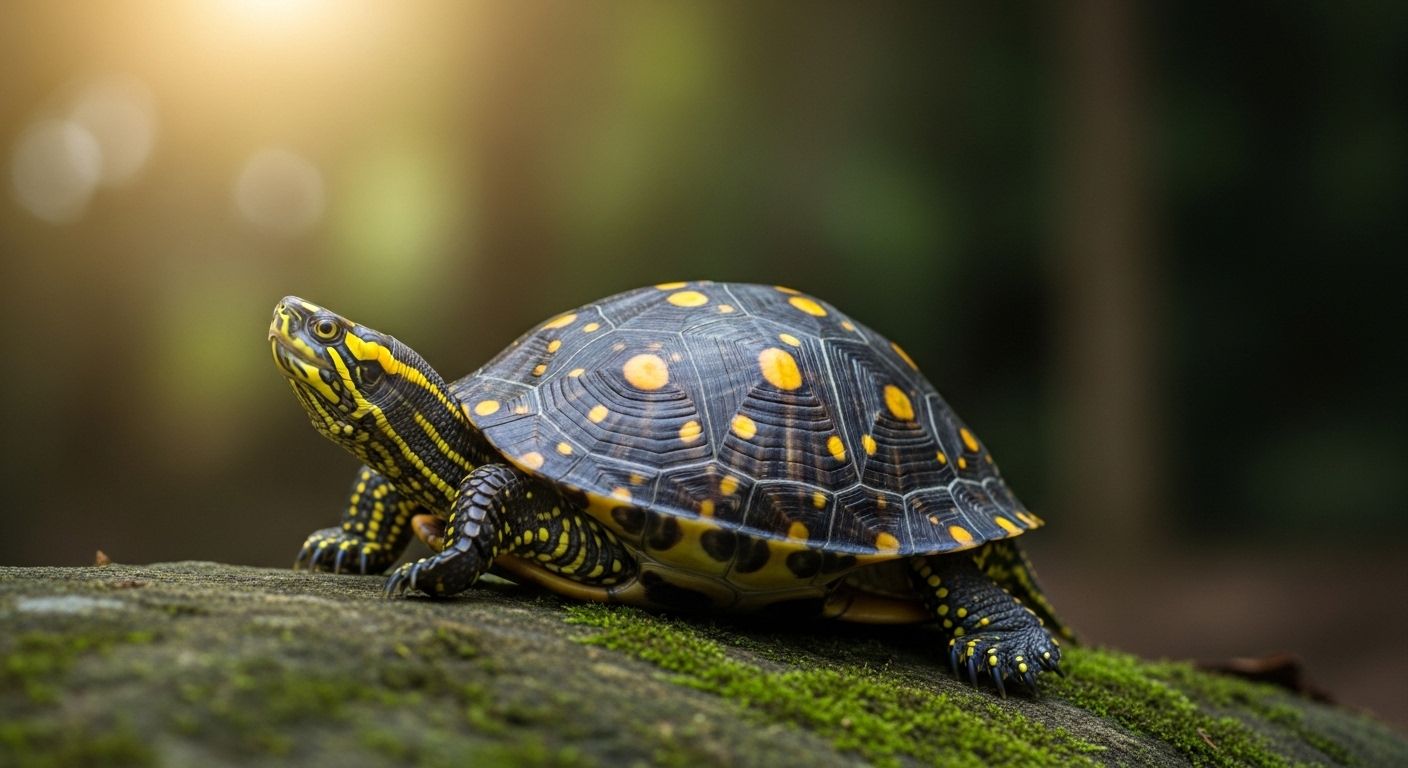
Ever seen a turtle sunbathing on a log like it’s on paid vacation? Chances are, you’ve spotted a yellow-bellied slider—nature’s chill aquatic roommate with a splash of sunshine on its plastron. But before you go scooping one up from the creek or ordering a “cute pet turtle” off the internet, let’s get one thing straight: these guys ain’t low-maintenance decor. A proper habitat for yellow bellied slider turtle isn’t just a tank with some water and a rock—it’s a carefully balanced slice of the southeastern U.S. wetlands, recreated indoors or out. And if you skimp? Well, your slider might just give you the silent treatment (and a vet bill that’ll make your eyes water more than a swamp in July). We’ve been down this muddy road before, and trust us—getting their setup right from day one is the difference between a thriving companion and a sad, shell-shedding mess.
Home Sweet Home: The Natural World of the Yellow-Bellied Slider
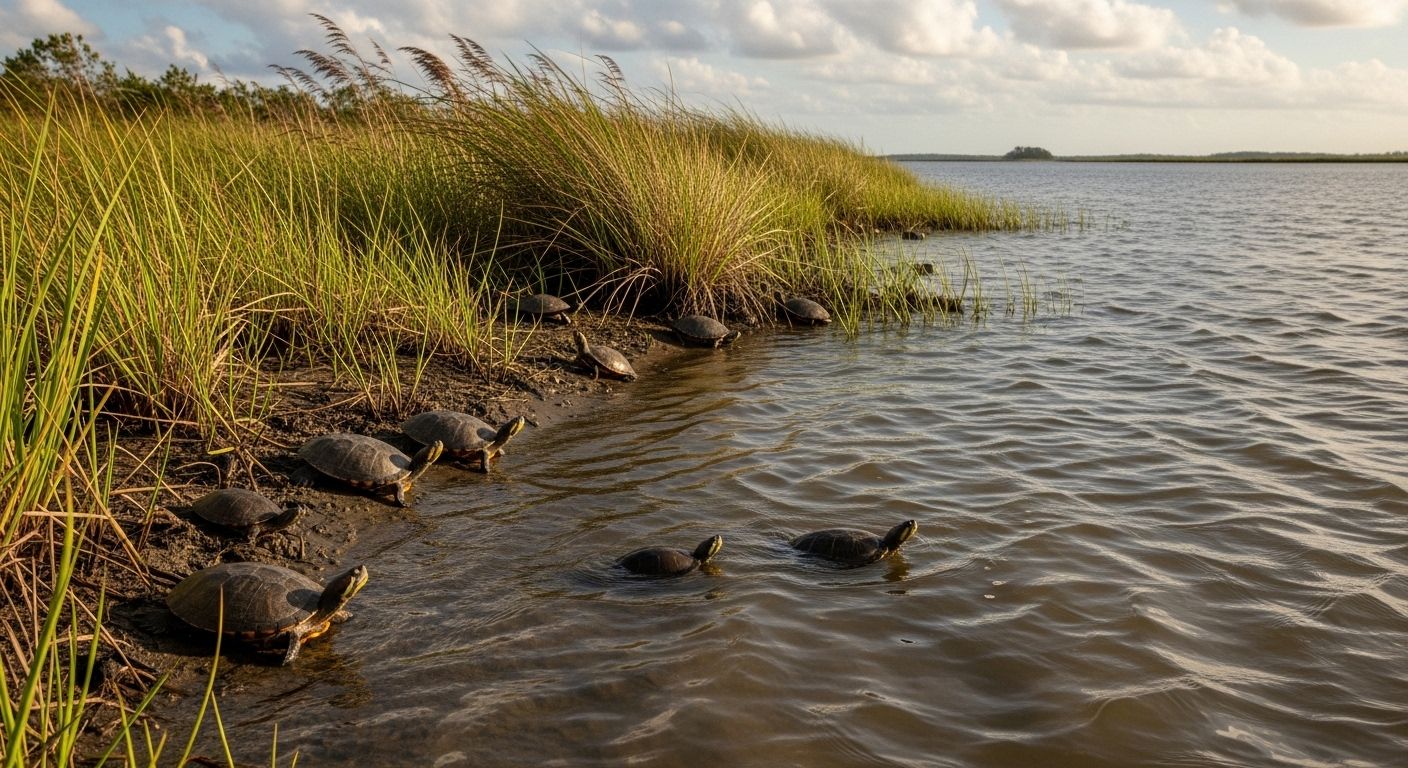
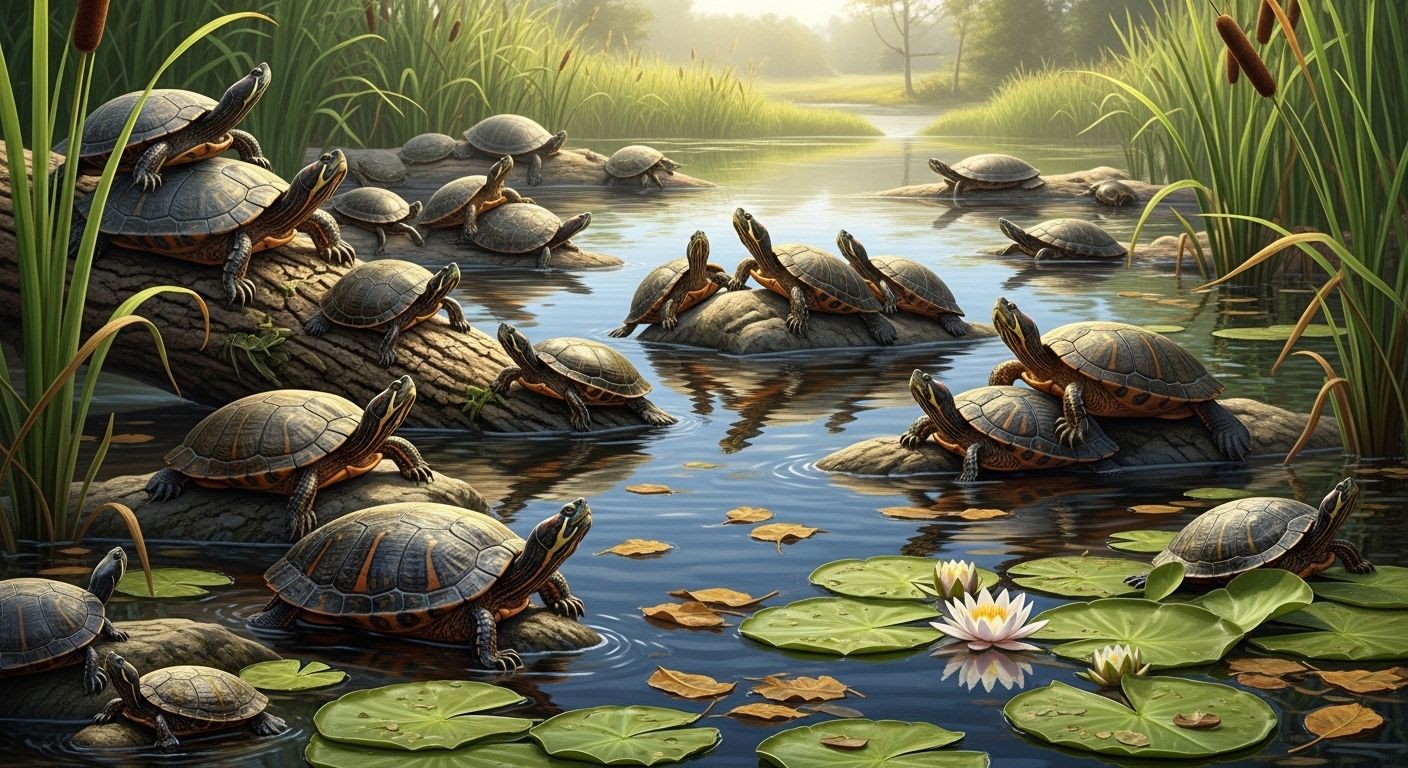
In the wild, the habitat for yellow bellied slider turtle is all about slow-moving, warm, and weedy. Think freshwater ponds, lakes, marshes, and sluggish creeks across the southeastern United States—from Virginia down through Florida and over to Alabama and Mississippi [[1]]. These waters are rich in vegetation, both submerged and floating, which provides food, cover, and basking platforms galore. The bottom is usually soft—mud or sand—and the banks are gently sloped, perfect for a quick exit when predators show up. What’s key? Sunlight. Lots of it. These turtles are solar-powered, and without consistent access to UV rays, their shells soften, their immune systems tank, and their whole vibe goes south faster than a gator in a thunderstorm. So yeah, their natural habitat for yellow bellied slider turtle is basically a sun-drenched, plant-filled spa with room service (in the form of bugs, algae, and duckweed).
Tank Life Ain’t Wild Life: Replicating Nature Indoors
Bringing that wild magic inside means building a mini-ecosystem that mimics the real deal. First rule? Size matters—big time. A baby slider might fit in a 10-gallon tank, but that little dude will outgrow it before you finish reading this sentence. An adult yellow-bellied slider needs *at least* a 75- to 120-gallon tank, depending on its size [[3]]. Why? Because they’re active swimmers, not lazy paperweights. Their habitat for yellow bellied slider turtle must include deep water (at least 1.5x the turtle’s shell length), a powerful filter (they’re messy eaters—like, “dumpster fire after Taco Tuesday” messy), and a dry, stable basking platform under a heat lamp and UVB bulb. Skip the UVB? Say hello to metabolic bone disease. No basking spot? Fungal infections incoming. This isn’t just pet care—it’s life support disguised as interior design.
Sun, Heat, and Clean Water: The Holy Trinity of Slider Care
Let’s break it down: a healthy habitat for yellow bellied slider turtle runs on three non-negotiables. One: **UVB lighting**. Not just any light—a proper 5.0 or 10.0 UVB bulb replaced every 6 months, because the output fades even if the bulb still glows. Two: **basking heat**. The platform should hit 85–90°F (29–32°C), while the water stays around 75–80°F (24–27°C) with a submersible heater [[4]]. Three: **water quality**. A canister filter rated for *twice* your tank’s volume is the bare minimum. Test ammonia, nitrite, and nitrate weekly. These turtles produce waste like they’re training for the Olympics, and dirty water = shell rot, eye infections, and a very grumpy reptile. Get these three right, and you’ve nailed 90% of what makes a thriving habitat for yellow bellied slider turtle.
Do They Need Land? Spoiler: Yes, and It’s Non-Negotiable
Here’s a myth we’re squashing harder than a mosquito on a summer porch: “Yellow-bellied sliders don’t need land—they’re water turtles!” Nope. Wrong. Dead wrong. While they spend most of their time swimming, they *must* haul out daily to dry off, warm up, and soak in UVB rays. Without a proper basking area, their shells stay damp, inviting fungus and bacteria to throw a rave on their backs [[5]]. The platform should be large enough for the whole turtle to stretch out, made of non-slip material (no smooth glass or plastic!), and positioned so the heat and UVB lamps shine directly on it. Some folks use floating docks; others build custom ramps. Whatever you choose, make sure it’s stable—nothing spooks a slider faster than a wobbly perch. Their habitat for yellow bellied slider turtle is amphibious by design, not optional. 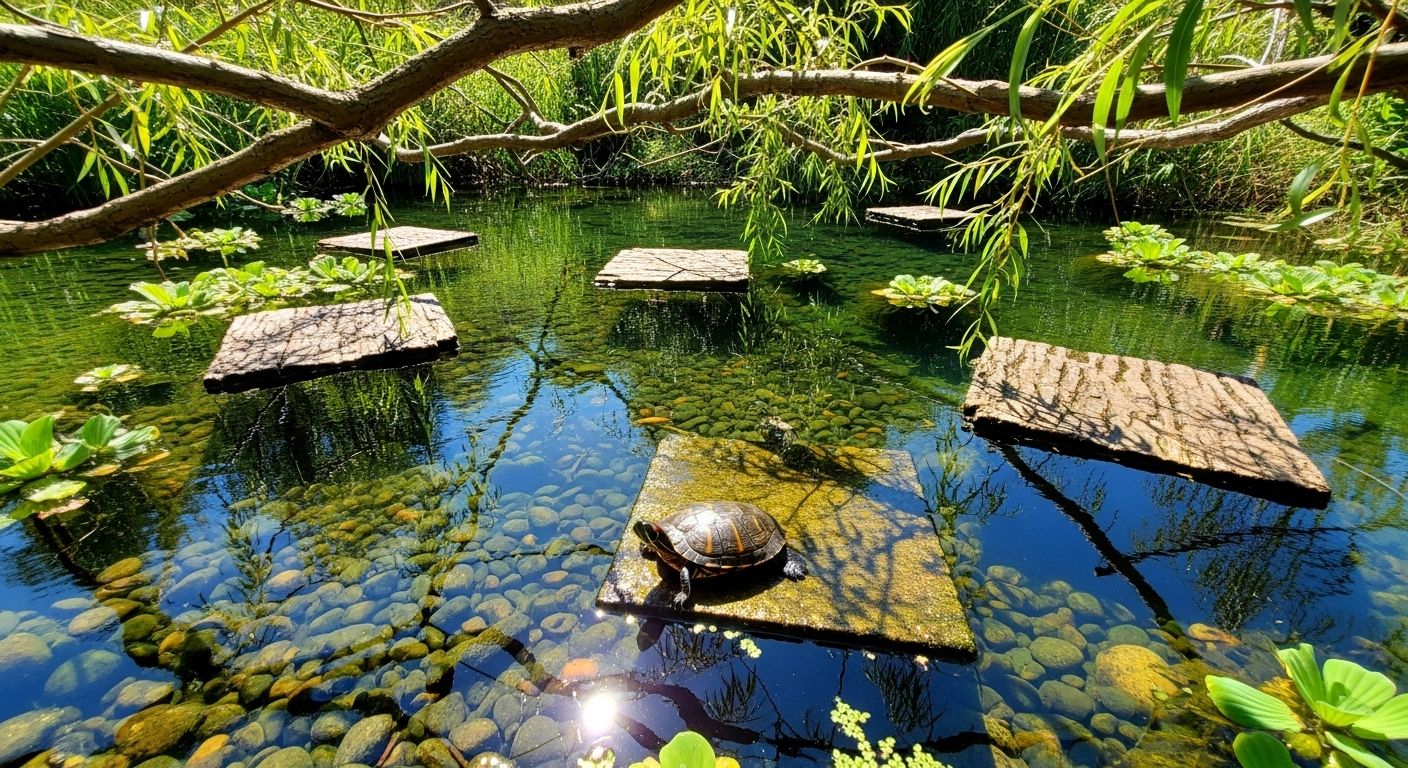
What Goes In the Tank? A Checklist for Success
Beyond the big three (water, heat, UVB), your habitat for yellow bellied slider turtle needs thoughtful touches. Substrate? Optional—but if you use gravel, make it too large to swallow (they’ll try). Better yet, go bare-bottom for easy cleaning. Decor? Driftwood, smooth rocks, and live or artificial plants (like anacharis or java fern) add enrichment and hiding spots. Just avoid anything sharp or small enough to become a choking hazard. Oh, and no tank mates—fish, frogs, or other turtles often end up as snacks or stress triggers. Keep it simple, safe, and spacious. Remember: this isn’t a fish tank with a turtle in it. It’s a full-time wellness retreat for a creature that’s been perfecting its lifestyle since the Pleistocene.
Outdoor Ponds: The Ultimate (But Risky) Habitat Upgrade
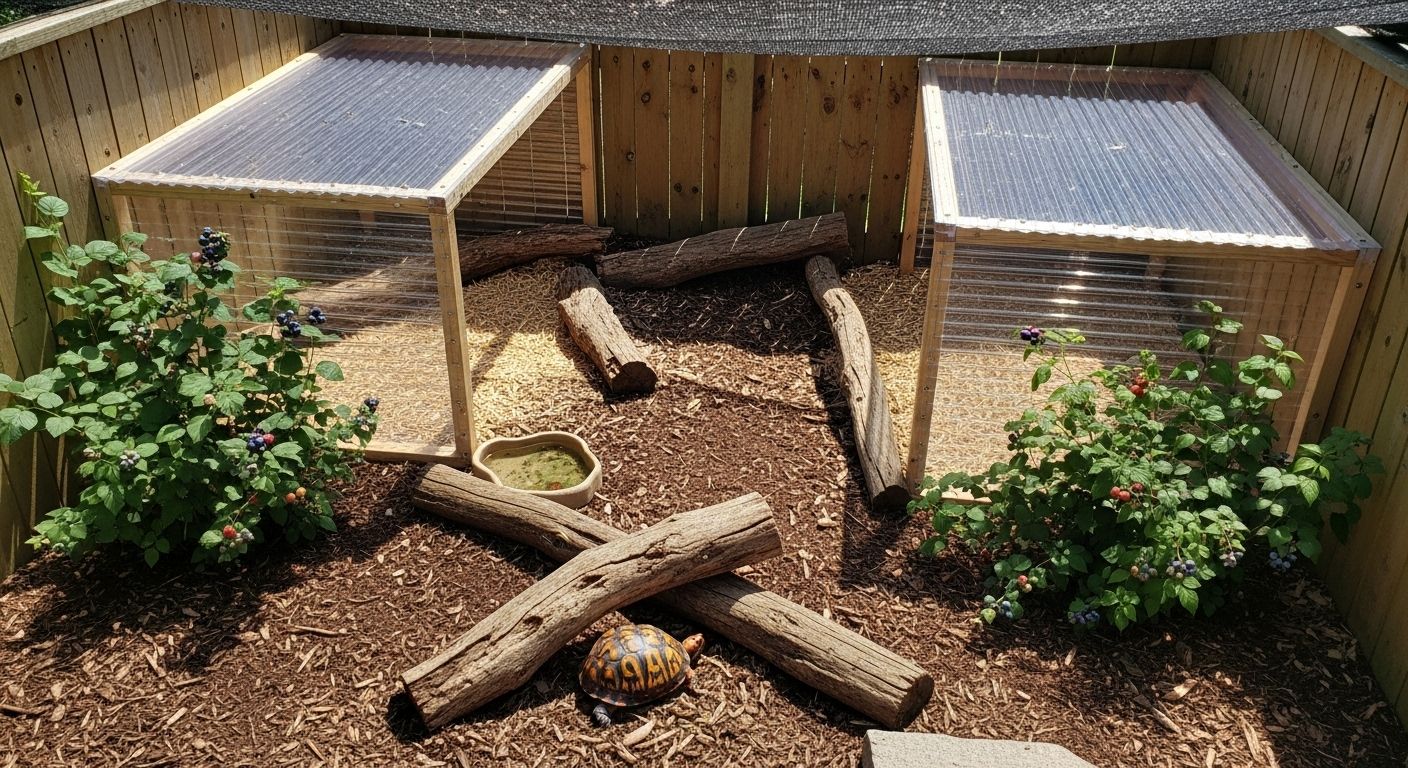
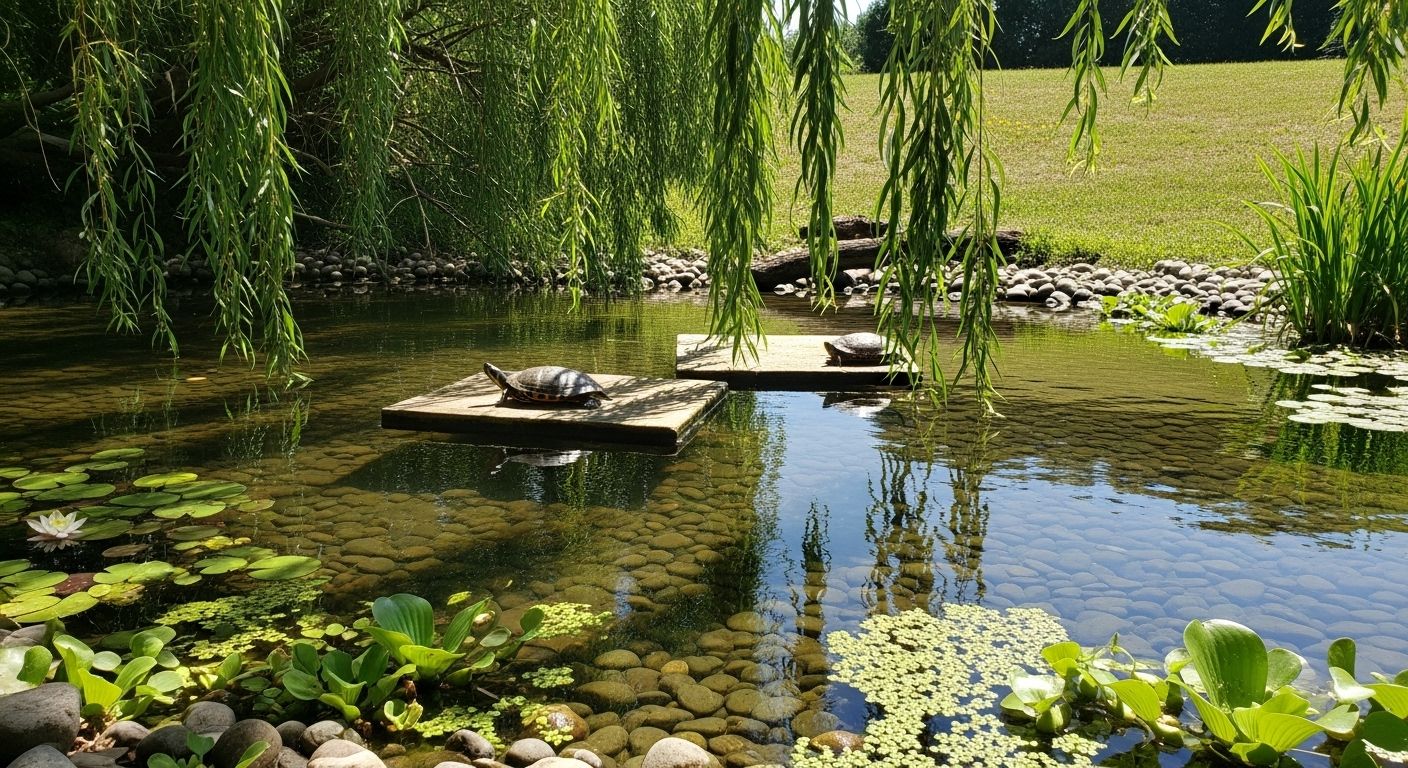
If you live in USDA zones 7–11 and have the space, an outdoor pond is the gold standard for a habitat for yellow bellied slider turtle. Natural sunlight, seasonal temperature shifts, and live foraging opportunities create a near-wild experience. But—and this is a big but—it’s not plug-and-play. Your pond needs depth (at least 18 inches to prevent freezing in winter), secure fencing (they’re escape artists), predator protection (raccoons love turtle soup), and native aquatic plants [[6]]. You’ll also need a backup indoor tank for cold snaps or medical emergencies. Done right, it’s paradise. Done wrong? It’s a death trap. So do your homework, consult local herp societies, and never release a captive slider into the wild—it’s illegal and ecologically reckless.
Common Mistakes That Wreck a Slider’s Habitat
We’ve seen it all: the “starter kit” with a 10-gallon tank and a tiny plastic island, the owner who uses a red heat lamp instead of UVB, the well-meaning soul who feeds nothing but dried shrimp for six months. These aren’t just oversights—they’re slow-motion tragedies. The #1 killer of captive yellow-bellied sliders? Improper habitat for yellow bellied slider turtle setup leading to chronic illness. Another classic blunder? Overcrowding. Two sliders in a 40-gallon tank? That’s a recipe for aggression, stress, and stunted growth. And please—for the love of all that’s scaly—don’t use tap water straight from the faucet without dechlorinating it first. Chlorine burns their eyes and wrecks their gut flora. Small errors compound fast in a closed system. Do it right, or don’t do it at all.
Why This All Matters: Beyond Just Keeping a Pet
Caring for a yellow-bellied slider isn’t just about responsibility—it’s about respect. These turtles can live 30+ years in captivity, some even hitting 50 [[7]]. That’s a lifetime commitment. When we replicate their habitat for yellow bellied slider turtle with care, we honor their wild legacy and contribute to conservation awareness. Plus, a healthy slider is a joyful one—watching it zoom through the water, bask with legs splayed like it’s on a beach vacation, or curiously nibble kale from your fingers? That’s magic you can’t buy in a pet store. But it only happens when we meet them halfway, in a home that mirrors the wetlands they call home.
Keep Learning: More Ways to Master Turtle Habitats
Our journey into the habitat for yellow bellied slider turtle is just one stop on the road to becoming a better reptile guardian. At Sea Turtle Farm, we’re all about diving deep into the worlds these ancient creatures inhabit—whether it’s a sunlit pond or a cozy indoor enclosure. If you’re hungry for more, explore our Habitat section for expert guides and species spotlights. And for a warm-weather twist, don’t miss our article on Indoor Tortoise Habitats: Warm Winter Hack, where desert dwellers get their own cozy setups. Because every turtle, slider or tortoise, deserves a home that feels like heaven—even if it’s in your living room.
Frequently Asked Questions
What do yellow belly turtles need in their tank?
Yellow-bellied sliders need a spacious tank (75+ gallons for adults), deep clean water with a powerful filter, a dry basking platform, a heat lamp (85–90°F), and a UVB light (5.0 or 10.0 strength). Their habitat for yellow bellied slider turtle must also include proper water temperature (75–80°F), dechlorinated water, and safe, non-toxic decor. Without these elements, they risk serious health issues like shell rot or metabolic bone disease.
What's the yellow-bellied slider's natural habitat?
The yellow-bellied slider’s natural habitat includes slow-moving freshwater bodies in the southeastern United States, such as ponds, lakes, marshes, and creeks with abundant vegetation, soft muddy bottoms, and plenty of logs or banks for basking. This natural habitat for yellow bellied slider turtle provides warmth, food, shelter, and essential sunlight for thermoregulation and health.
What is the best habitat for a slider turtle?
The best habitat for a slider turtle is one that closely mimics its natural environment: a large, filtered aquatic setup with deep water, a dry basking area under heat and UVB lighting, and clean, warm water maintained at 75–80°F. Whether indoors in a properly equipped tank or outdoors in a secure, predator-proof pond, the ideal habitat for yellow bellied slider turtle prioritizes space, hygiene, and access to essential light and heat.
Do yellow belly turtles need land?
Yes, yellow-bellied sliders absolutely need land—or at least a dry, stable basking platform—in their enclosure. Though they are primarily aquatic, they must leave the water daily to dry their shells, absorb UVB rays, and regulate their body temperature. Without this critical dry area, their habitat for yellow bellied slider turtle becomes unhealthy, leading to fungal infections, poor shell development, and weakened immunity.
References
- https://www.fws.gov/species/yellow-bellied-slider-trachemys-scripta-scripta
- https://www.animaldiversity.org/accounts/Trachemys_scripta_scripta/
- https://www.turtlecare.net/slider.htm
- https://www.reptilesmagazine.com/yellow-bellied-slider-care-sheet/
- https://vet.osu.edu/vet-staff-directory/dr-jennifer-frye
- https://www.austinsturtlepage.com/Care/outdoorpond.htm
- https://www.britannica.com/animal/yellow-bellied-slider
- https://www.petmd.com/reptile/care/evr_rept_yellow_bellied_slider_turtle_care_sheet
- https://www.nationalgeographic.com/animals/reptiles/facts/yellow-bellied-slider
- https://www.thesprucepets.com/yellow-bellied-slider-turtle-care-1236790