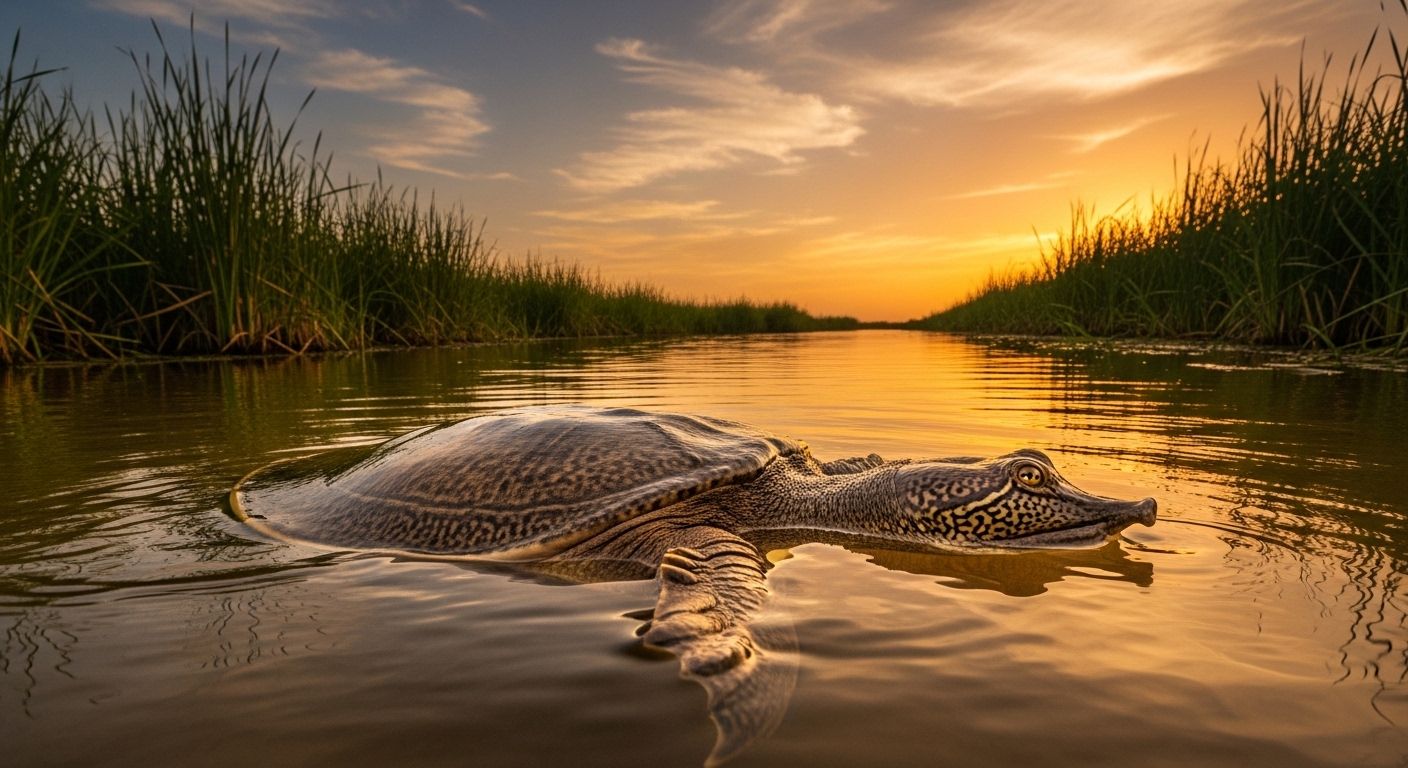
Box Turtle Environment Perfect Setup Fast
- 1.
What Makes the Perfect Box Turtle Environment?
- 2.
Do Box Turtles Actually Like Ponds? Let’s Settle This
- 3.
Building a Backyard Box Turtle Habitat: Nature’s Blueprint
- 4.
Indoor Enclosures: Recreating the Wild Inside Four Walls
- 5.
Temperature & Humidity: The Invisible Backbone of a Healthy Box Turtle Environment
- 6.
Substrate Secrets: What to Lay Under Their Little Feet
- 7.
Enrichment & Hiding Spots: Because Boredom is a Silent Killer
- 8.
Water Features Done Right: Safety First, Always
- 9.
Seasonal Shifts: Adapting the Box Turtle Environment Year-Round
- 10.
Common Mistakes (and How to Dodge ‘Em Like a Pro)
Table of Contents
box turtle environment
What Makes the Perfect Box Turtle Environment?
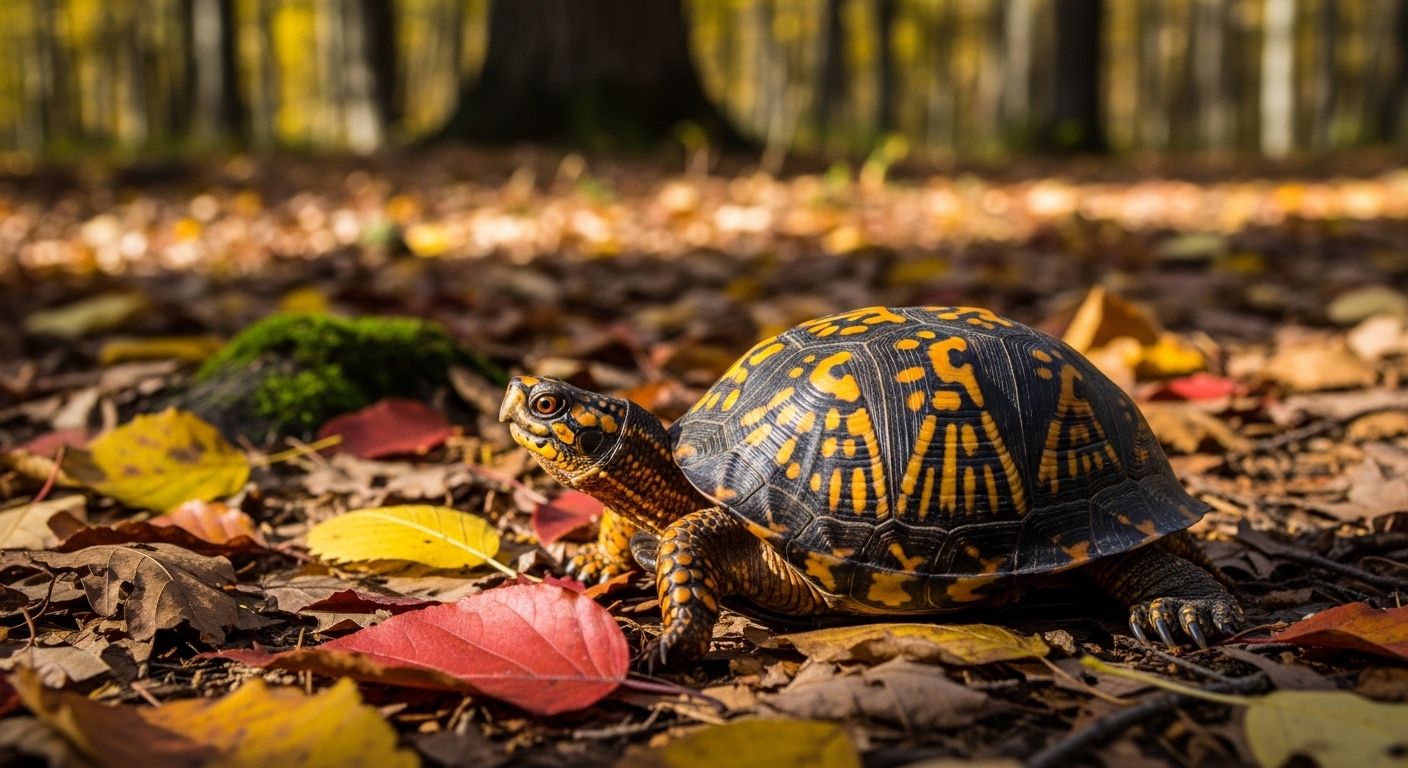
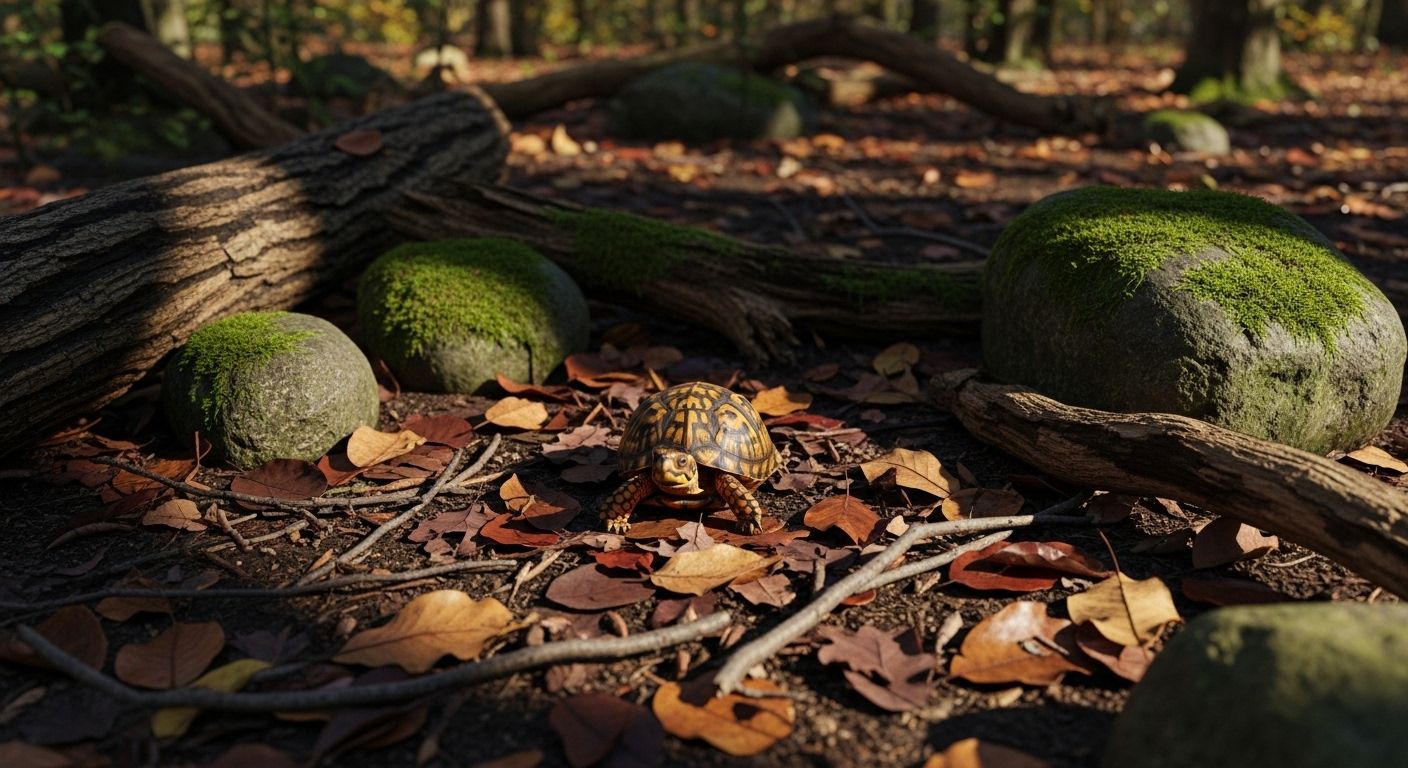
Ever watched a box turtle lumberin’ through the leaf litter like it owns the whole forest floor? That’s ‘cause, in its natural groove, it kinda does. But when we’re talkin’ about craftin’ a box turtle environment—whether in your backyard or a cozy indoor setup—we gotta get real specific. These critters ain’t just “put ‘em in a tank and call it a day” pets. Nah, they thrive on balance: moist but not swampy, warm but not scorchin’, and packed with places to hide, dig, and just *be*. A proper box turtle environment mimics their native woodland or meadow haunts, where humidity hovers around 60–80% and temps range from a cool 70°F to a basking 80°F [[5]]. Get that wrong, and you’re lookin’ at a stressed-out sheller who might just shut down.
Do Box Turtles Actually Like Ponds? Let’s Settle This
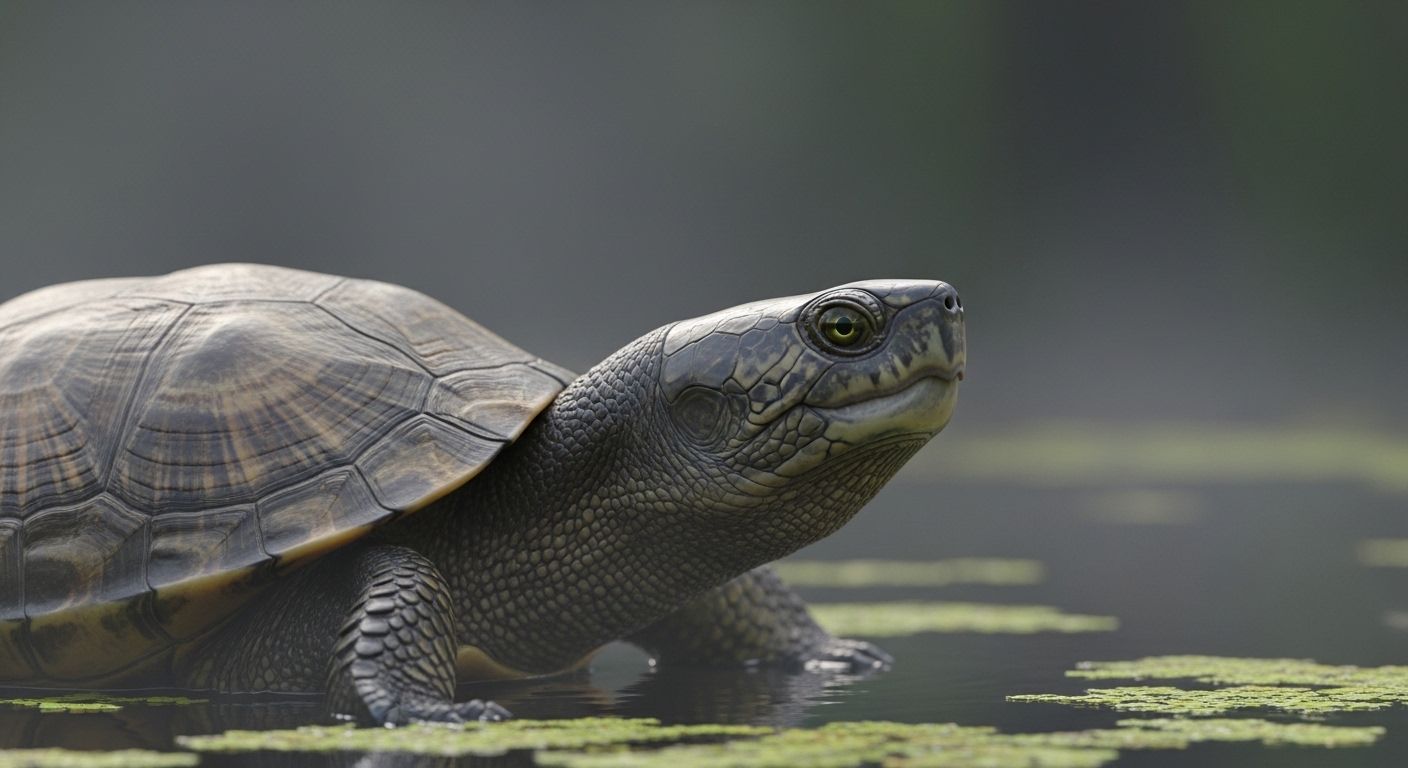
Here’s the tea: box turtles are terrestrial, not aquatic—but that don’t mean they hate water. In fact, a shallow pond or puddle is a non-negotiable part of any legit box turtle environment. They’ll wade in to soak, hydrate, and even snack on bugs floatin’ by. But—and this is a big but—they can’t swim like red-eared sliders. Deep water = danger zone. Think “birdbath depth,” not koi pond [[14]]. Wild box turtles often hang out *near* ponds in forests or fields, but they don’t live *in* ‘em [[11]]. So if you’re buildin’ a box turtle environment with a water feature, keep it shallow, easy to climb out of, and clean as a whistle. Bonus points if you add flat rocks for loungin’.
Building a Backyard Box Turtle Habitat: Nature’s Blueprint
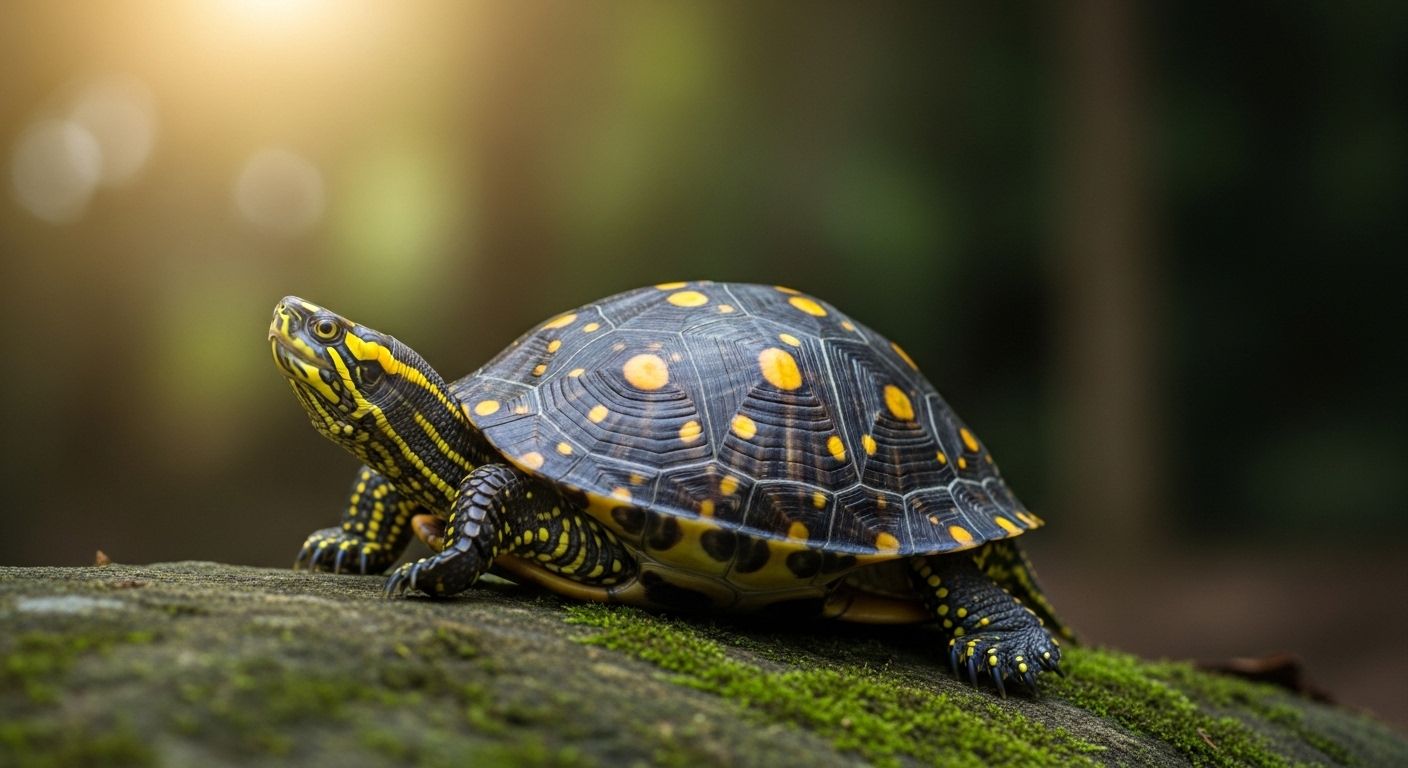
If you got the space, an outdoor box turtle environment is the gold standard. These little guys were born to feel soil under their claws and sun on their shells. Start with a secure, predator-proof enclosure—at least 12 square feet for one adult [[6]]. Line it with pesticide-free dirt, leaf litter, or cypress mulch (no cedar—it’s toxic!). Then, layer in logs, rocks, and native plants for shade and cover. Don’t forget that shallow water dish or mini-pond, ‘bout 6 inches deep max [[21]]. And hey, toss in a muddy patch—they love to wallow like tiny, armored pigs. This ain’t just a pen; it’s a full-on sensory experience for your shelled homie.
Indoor Enclosures: Recreating the Wild Inside Four Walls
No yard? No problem—but your indoor box turtle environment better be spacious. We’re talkin’ a minimum of 40 gallons for a single turtle, though bigger’s always better [[1]]. Skip the glass tanks if you can; plastic tubs or custom-built wooden pens with screen tops offer better airflow and more floor space. The substrate? Go for coconut fiber or sphagnum moss to hold moisture without moldin’. Heat lamps and UVB lighting are non-negotiable—these turtles need that vitamin D synthesis to keep their shells hard and hearts happy [[3]]. And remember: mist the enclosure once or twice daily to keep that humidity sweet spot between 60–80% [[5]]. Your living room just became a micro-forest.
Temperature & Humidity: The Invisible Backbone of a Healthy Box Turtle Environment
You can have the fanciest setup in the world, but if your box turtle environment’s climate’s off, your turtle’s gonna suffer. These reptiles need a thermal gradient: a warm side (75–80°F) for digestion and activity, and a cooler zone (around 70°F) to chill out [[4]]. At night, temps can dip to 65°F, but never below 50°F unless you’re intentionally brumating them outdoors [[8]]. Humidity’s just as crucial—especially for eastern box turtles, who come from damp, deciduous forests [[9]]. Too dry, and you get respiratory issues or shell pyramiding. Too wet, and fungus moves in like an uninvited guest. A good hygrometer and thermometer aren’t luxuries—they’re lifelines.
Substrate Secrets: What to Lay Under Their Little Feet
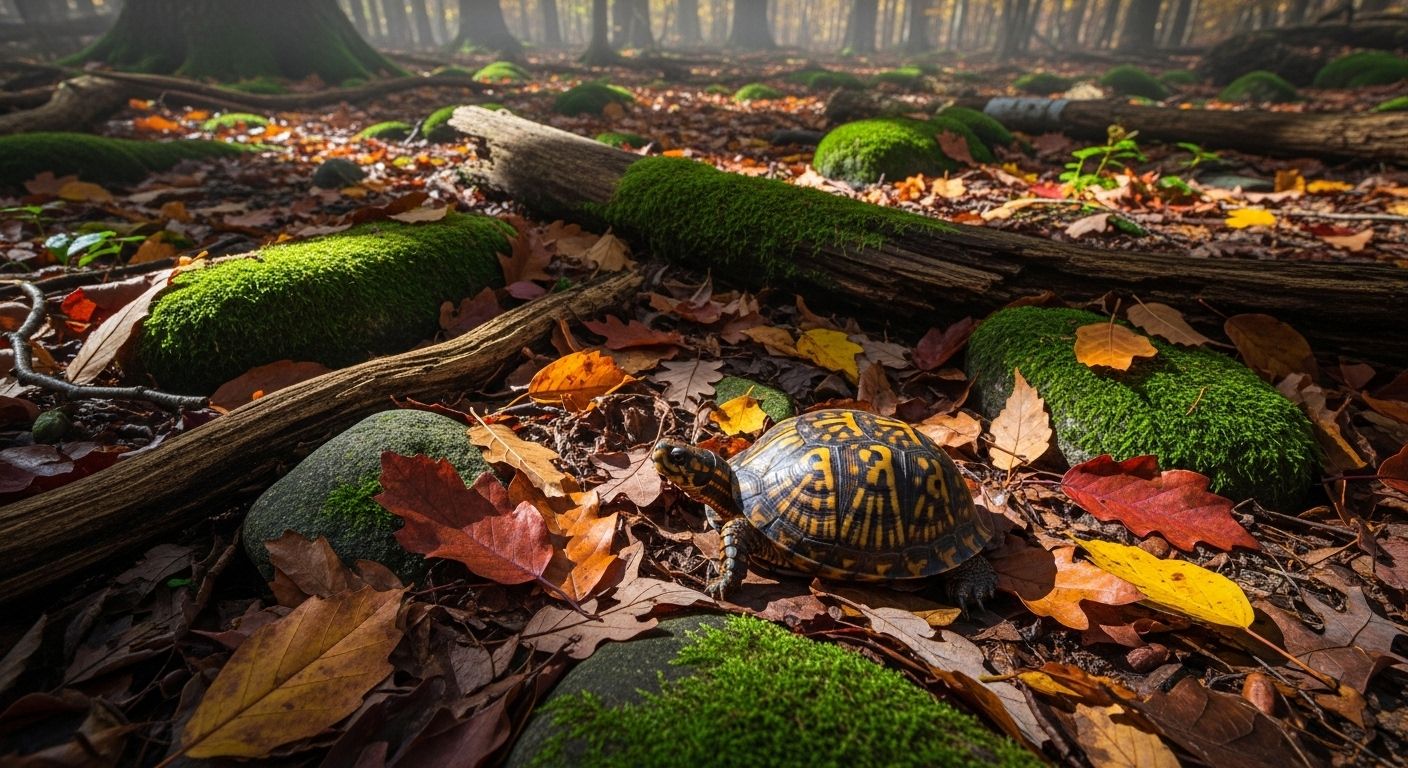
The ground beneath a box turtle matters more than you’d think. In a well-crafted box turtle environment, the substrate isn’t just filler—it’s functional. It retains moisture, allows burrowing, and even aids digestion if accidentally ingested (which happens!). Avoid sand, gravel, or anything small enough to cause impaction. Instead, opt for plain topsoil (chemical-free!), coconut coir, or a mix of leaf litter and moss [[20]]. Some keepers swear by a “bioactive” setup with springtails and isopods to keep things clean naturally. Whatever you choose, make sure it’s deep enough for digging—these turtles love to tuck themselves in for naps or during temperature swings. It’s their version of pullin’ the covers up.
Enrichment & Hiding Spots: Because Boredom is a Silent Killer
A stagnant box turtle environment leads to a stagnant turtle. These creatures are curious by nature, sniffin’ out mushrooms, chasing earthworms, and investigating every rustle in the leaves. Indoors or out, your setup needs variety: hollow logs, overturned clay pots with entry holes, dense plantings, and even seasonal changes like fallen autumn leaves or spring blooms. Rotate enrichment items weekly to keep things fresh. And never underestimate the power of a good hidey-hole—box turtles feel safest when they can vanish from view. Without these mental stimuli, your turtle might stop eatin’, become lethargic, or even develop stress-related illnesses. Keep it dynamic, keep it wild.
Water Features Done Right: Safety First, Always
Let’s circle back to water—‘cause it’s that important in a box turtle environment. Whether it’s a ceramic dish sunk into the substrate or a custom-built wildlife puddle, the key is accessibility and safety. The edges must be gently sloped or lined with rocks so your turtle can clamber in and out without strugglin’ [[18]]. Change the water daily; box turtles aren’t shy about using it as a bathroom. And if you’re tempted to add fish or fancy filters? Resist. This ain’t a decorative pond—it’s a functional hydration and soaking station. Clean, shallow, and escape-proof: that’s the mantra. Remember, a drowning risk is the last thing you want in what should be a sanctuary.
Seasonal Shifts: Adapting the Box Turtle Environment Year-Round
Nature don’t stay static—and neither should your box turtle environment. In summer, provide extra shade and mist more often to combat heat. Come fall, reduce feeding and let temps drop slightly to prep for possible brumation (a reptile version of hibernation). If you’re keeping your turtle outdoors in a temperate zone, ensure the soil is deep enough for burrowing below the frost line—or bring ‘em inside. Indoor setups need seasonal lighting adjustments too; shorter “days” in winter mimic natural cycles. Ignoring these rhythms can mess with their metabolism, immune system, and overall well-being. Think like a forest: ever-changing, yet always supportive.
Common Mistakes (and How to Dodge ‘Em Like a Pro)
Alright, y’all—let’s talk pitfalls. One rookie error? Overcrowding. Box turtles are solitary souls; cramming multiple adults into a small box turtle environment causes stress and aggression [[6]]. Another? Using tap water straight from the hose—chlorine and heavy metals can harm ‘em. Always dechlorinate or use filtered water. And please, for the love of all that’s shelled, skip the fake plastic plants and painted rocks. They offer zero enrichment and can leach toxins. Stick to natural, safe materials. If you’re ever unsure, lean into resources from trusted sources or connect with communities who’ve walked this path before. Speaking of which, you can always start at the Sea Turtle Farm homepage for foundational knowledge, dive deeper in the Habitat category, or compare notes with our piece on marine turtle habitat facts mind-blowing to see how land and sea dwellers differ.
Frequently Asked Questions
What is the best environment for a box turtle?
The best box turtle environment replicates its natural woodland or meadow habitat: a spacious, secure enclosure with a thermal gradient (70–80°F), 60–80% humidity, shallow water access, natural substrate for burrowing, and plenty of hiding spots. Outdoor setups are ideal in suitable climates, while indoor enclosures must include UVB lighting and proper ventilation.
Do box turtles like ponds?
Box turtles enjoy shallow ponds or puddles for soaking and hydration but are not aquatic. Their box turtle environment should include a water feature no deeper than 6 inches with easy exit points, as they cannot swim well and risk drowning in deep water.
How to make a habitat for a box turtle?
To build a box turtle environment, start with a large, secure space (min. 12 sq ft outdoors or 40 gal indoors). Use chemical-free soil or moss as substrate, add logs and plants for cover, install a shallow water dish, and provide a heat lamp with UVB lighting. Maintain humidity at 60–80% and ensure a temperature gradient.
What habitats do box turtles live in?
In the wild, box turtles inhabit moist deciduous forests, meadows, and grasslands—often near streams or ponds but not in them. Their natural box turtle environment features leaf litter, fallen logs, soft soil for burrowing, and dappled sunlight, with consistent access to fresh water and high humidity.
References
- https://www.wwvhcares.com/box-turtle-husbandry-and-care
- https://www.herpaderp.org/care/3-toed-box-turtle
- https://www.thesprucepets.com/box-turtles-as-pets-1237255
- https://www.boxturtleworld.com/box-turtle-care/box-turtle-temperature-needs/
- https://lafeber.com/vet/wp-content/uploads/Box-Turtle-black-white.pdf
- https://www.mariposavet.com/care-box-turtles/
- https://wildwoodvet.com/animal-care-sheet/box-turtles/
- https://zoomed.com/north-american-box-turtle/
- https://reptifiles.com/eastern-box-turtle-care-sheet/
- https://www.facebook.com/groups/WVNatureAndWildlife/posts/8777952295662448/
- https://www.wildcarecapecod.org/eastern-box-turtles/
- https://www.tortoiseforum.org/threads/enclosure-advice-box-turtle-and-sliders-pond.206254/
- https://keen-nitrogen.mystagingwebsite.com/learn-about-box-turtles-and-their-habitat/
- https://www.quora.com/How-do-box-turtles-swim-in-ponds
- https://www.facebook.com/groups/32097216087/posts/10161371596156088/
- https://tatianastinyzoo.com/2025/01/17/how-to-make-an-outdoor-tortoise-habitat/
- https://www.wikihow.com/Create-an-Indoor-Box-Turtle-Habitat
- https://artofstonegardening.com/creating-box-turtle-habitat-backyard-wildlife-gardening
- https://www.tortoisetown.com/box-turtle-habitat/
- https://www.centralmsturtlerescue.com/-box-turtle-habitat-guidelines.html
- https://alabamawildlife.org/oc-box-turtle-habitat/
- https://www.northeastturtles.org/uploads/3/0/4/3/30433006/teca_bmps_030623.pdf