Smooth Shell Turtle Soft Touch Secret
- 1.
What Makes the Smooth Shell Turtle So Uniquely Slippery?
- 2.
Are Softshell Turtles Friendly? Let’s Talk Personality
- 3.
Is the Smooth Softshell Turtle Endangered? Conservation Status Deep Dive
- 4.
Do Softshell Turtles Live in America? Mapping Their Range
- 5.
Habitat Preferences of the Smooth Shell Turtle: Where to Spot One
- 6.
Diet and Hunting Tactics of the Smooth Shell Turtle
- 7.
Reproduction and Life Cycle: From Egg to River Phantom
- 8.
Common Misconceptions About the Smooth Shell Turtle
- 9.
How Climate Change Threatens the Smooth Shell Turtle
- 10.
Why the Smooth Shell Turtle Matters to Ecosystem Health
Table of Contents
smooth shell turtle
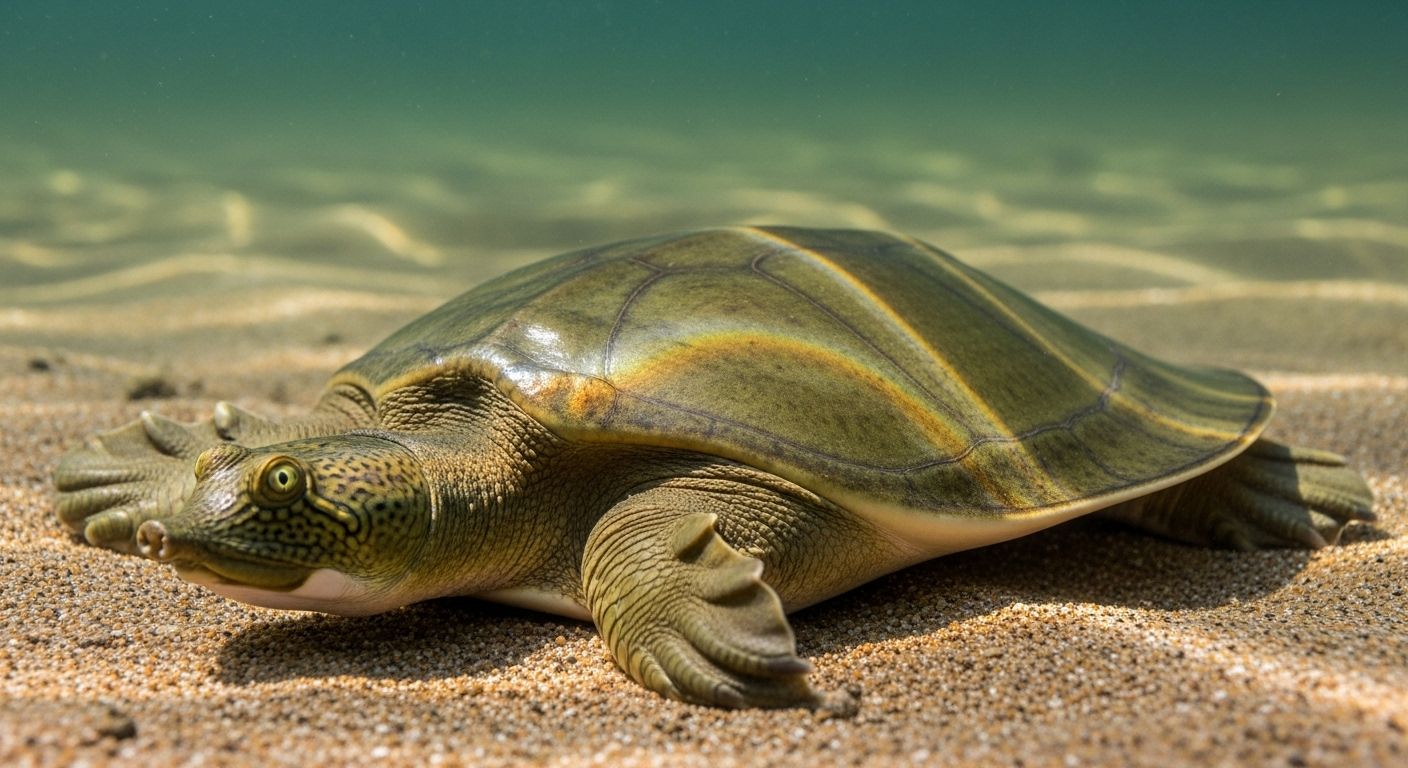
Ever seen a turtle that looks like it’s been polished by moonlight and dipped in river silk? Nah, you’re not hallucinating—chances are, you just locked eyes with a smooth shell turtle. These slick-backed swimmers glide through freshwater like they’ve got a backstage pass to the whole ecosystem. And nope, they ain’t your average backyard tortoise sunbathing on a rock—they’re the ninjas of North American rivers, quiet, quick, and wrapped in a shell smoother than your grandma’s buttermilk biscuits.
What Makes the Smooth Shell Turtle So Uniquely Slippery?
The anatomy behind that velvety carapace
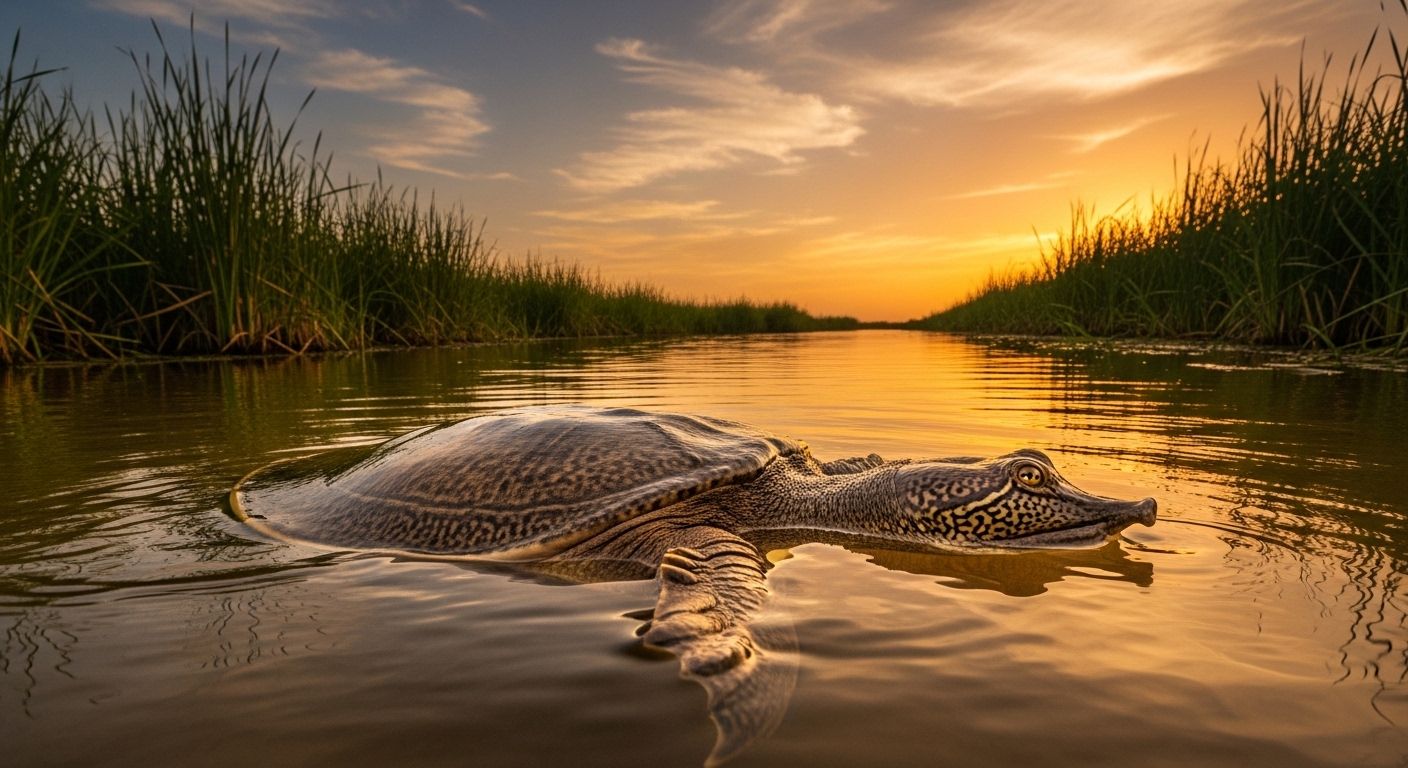
The smooth shell turtle, scientifically known as Apalone mutica, boasts a leathery, flexible carapace that lacks the hard scutes typical of most turtles. Instead of bony plates, its shell feels almost rubbery—like nature swapped out armor for a wetsuit. This adaptation isn’t just for show; it reduces drag underwater, letting the smooth shell turtle dart after prey or vanish into muddy bottoms faster than you can say “golly.” Unlike its rough-shelled cousins, this critter’s design screams efficiency over intimidation.
Are Softshell Turtles Friendly? Let’s Talk Personality
Temperament beneath the surface
If you’re picturing a smooth shell turtle as your next emotional support reptile… well, maybe pump the brakes. While they aren’t exactly hostile, these turtles lean more toward “aloof artist” than “cuddly companion.” In the wild, a smooth shell turtle would rather bury itself in sand than make small talk. Captive individuals might tolerate handling, but they’ve got zero interest in being Instagram-famous. Their idea of friendship? Leaving you alone—and expecting the same courtesy in return. So yeah, “friendly”? Only if your definition includes silent coexistence and occasional side-eye.
Is the Smooth Softshell Turtle Endangered? Conservation Status Deep Dive
Where does it stand on the survival scale?
Good news first: the smooth shell turtle isn’t currently listed as endangered under the U.S. Endangered Species Act. But don’t throw a parade just yet. Habitat loss, pollution, and river damming have chipped away at local populations, especially in states like Illinois and Missouri. The IUCN Red List classifies it as “Least Concern,” but regional assessments tell a murkier story. A smooth shell turtle might be thriving in one stretch of the Mississippi while vanishing from another tributary entirely. Conservation isn’t one-size-fits-all—it’s patchwork, and this species is stitching its future one clean riverbank at a time.
Do Softshell Turtles Live in America? Mapping Their Range
From the Great Plains to the Gulf Coast
Absolutely—they’re as American as apple pie and pickup trucks. The smooth shell turtle calls freshwater systems across the central and eastern United States home. You’ll find them lounging (well, buried) in sandy-bottomed rivers from western Pennsylvania all the way down to Louisiana, and westward into Texas and Oklahoma. They favor slow-moving waters with plenty of mud—think the Missouri, Ohio, and Tennessee River basins. Fun fact: they’ve even been spotted basking on logs in Arkansas, though they’d much rather stay submerged like undercover agents of the aquatic world.
Habitat Preferences of the Smooth Shell Turtle: Where to Spot One
Riverbed real estate with a view (underwater)
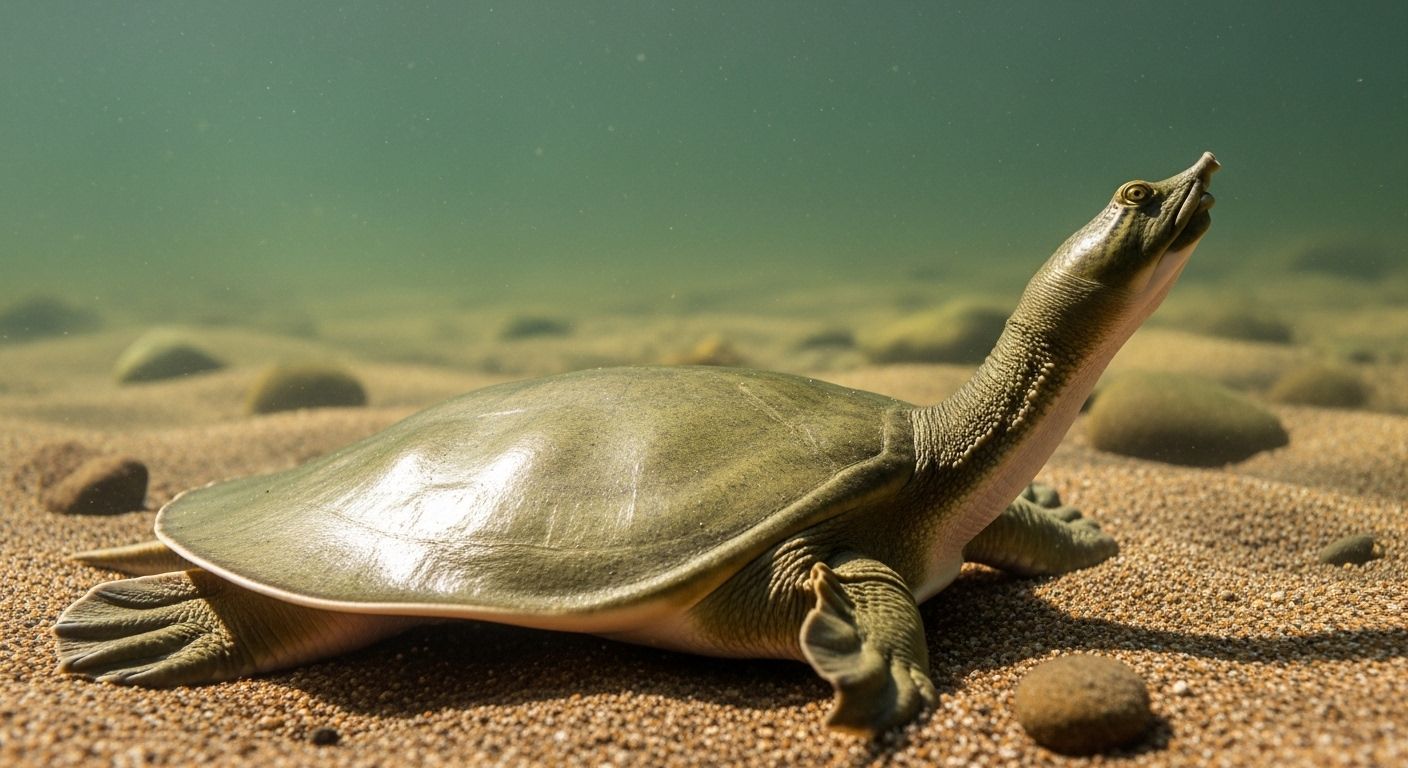
If you’re hunting for a smooth shell turtle, forget rocky shores or weedy ponds. These guys are river specialists—preferring wide, sandy-bottomed streams with moderate current. They need soft sediment to bury themselves completely, leaving only their snorkel-like snouts above water. Ideal smooth shell turtle hangouts include oxbow lakes, backwaters, and floodplain pools that stay connected to main channels. Pro tip: visit during late spring or early summer when they’re most active near dawn or dusk. Bring binoculars… and patience. They’re masters of stillness.
Diet and Hunting Tactics of the Smooth Shell Turtle
Menu of a stealthy river predator
Don’t let that serene float fool you—the smooth shell turtle is a carnivorous opportunist with serious game. Its diet? Think aquatic buffet: crayfish, insects, small fish, worms, and even the occasional frog. Using its elongated snout like a vacuum hose, it ambushes prey from beneath the sediment, striking with lightning speed. Some researchers reckon they can even detect vibrations through their jawbones—making them the ultimate lie-in-wait hunters. No fancy traps, no flashy moves… just pure, silent efficiency. That’s the smooth shell turtle way.
Reproduction and Life Cycle: From Egg to River Phantom
Nesting secrets along sandy banks
Every spring, female smooth shell turtles haul themselves onto land under cover of darkness to dig nests in loose, sandy soil—usually within 30 meters of water. Each clutch holds 4 to 15 eggs, oval and leathery, incubating for 60–90 days depending on temperature. Hatchlings emerge looking like miniature versions of their parents, already equipped with that signature smooth carapace. Survival odds? Slim. Predators like raccoons, foxes, and birds gobble up nearly half before they reach water. Yet those that do? They grow fast, mature by age 5–7, and can live over 20 years if the river stays kind.
Common Misconceptions About the Smooth Shell Turtle
Debunking myths with cold, wet facts
Myth #1: “It’s just a weird-looking snapping turtle.” Nope—the smooth shell turtle belongs to the Trionychidae family, totally different lineage. Myth #2: “They’re aggressive.” Truth? They’d rather flee than fight. Myth #3: “All softshells are the same.” Actually, North America hosts three softshell species—spiny, Florida, and smooth—and the smooth shell turtle is the smallest and sleekest of the bunch. Confusing them is like mistaking a greyhound for a bulldog—same category, wildly different vibes.
How Climate Change Threatens the Smooth Shell Turtle
Warming waters, shifting sands
Rising temperatures mess with more than just beach days—they scramble the delicate balance of smooth shell turtle survival. Warmer nests skew sex ratios (since temperature determines hatchling gender), potentially creating populations with too few males. Droughts lower water levels, exposing nesting sites to predators and desiccation. Meanwhile, intense storms erode riverbanks where females lay eggs. The smooth shell turtle didn’t evolve for climate whiplash—and without cleaner rivers and protected corridors, even “Least Concern” won’t mean much in a decade.
Why the Smooth Shell Turtle Matters to Ecosystem Health
Silent sentinel of freshwater integrity
Here’s the tea: the presence of a healthy smooth shell turtle population signals a river that’s breathing clean. As mid-level predators, they help control insect and crustacean numbers, preventing algal blooms and maintaining balance. Their sensitivity to pollution makes them living water quality meters—if they vanish, it’s a red flag for everything downstream, including us humans. Protecting the smooth shell turtle isn’t just about saving a cool-looking reptile; it’s about safeguarding the entire watershed. And hey, if you care about fishing, drinking water, or just watching dragonflies zip over calm currents, you’ve got skin in this game too.
Want to learn more about conservation efforts? Start at the Sea Turtle Farm homepage. Dive deeper into species profiles over in our Species section. Or compare sizes with North America’s heavyweight champ in our feature on the Biggest Common Snapping Turtle Record Breaker.
Frequently Asked Questions
What turtle has a smooth shell?
The smooth shell turtle (Apalone mutica) is the primary North American species known for its entirely smooth, leathery carapace lacking bony scutes. Unlike other softshells that may have spiny edges, the smooth shell turtle lives up to its name with a uniformly sleek, rubbery shell perfect for swift underwater movement.
Are softshell turtles friendly?
Softshell turtles, including the smooth shell turtle, aren’t typically “friendly” in the pet sense. They’re shy, solitary, and easily stressed by handling. While not aggressive unless cornered, they prefer minimal human interaction. Think of them as reclusive river poets—not lap pets.
Is the smooth softshell turtle endangered?
Globally, the smooth shell turtle is classified as “Least Concern” by the IUCN. However, localized populations face threats from habitat degradation, making them vulnerable in certain states. Though not federally endangered in the U.S., ongoing conservation monitoring is essential to prevent regional declines of this unique smooth shell turtle lineage.
Do softshell turtles live in America?
Yes! Several softshell species, including the smooth shell turtle, are native to the United States. The smooth shell turtle specifically inhabits freshwater rivers and streams across the central and southeastern U.S., from Pennsylvania to Texas, proving that America’s waterways are home to some seriously slick-shelled reptiles.
References
- https://www.fws.gov/species/smooth-softshell-turtle-apalone-mutica
- https://www.iucnredlist.org/species/9238/129443178
- https://herpsofnc.org/smooth-softshell-turtle/
- https://www.nature.org/en-us/get-involved/how-to-help/places-we-protect/freshwater-turtle-conservation/