Orange Spotted Turtle Fire Dots Rare
- 1.
Wait—Did That Turtle Just Glow?
- 2.
Not All Spots Are Created Equal: Meet the Real Orange Spotted Turtle
- 3.
Rarity in the Reeds: Just How Rare Is This Little Fire-Dot?
- 4.
Shell Patterns & Personality: What Makes the Orange Spotted Turtle Unique?
- 5.
Home Sweet Wetland: Where Do Orange Spotted Turtles Live?
- 6.
Pet Trade Temptation: Can You Keep an Orange Spotted Turtle at Home?
- 7.
Eastern Box Turtles: The Confusing Cousin with Orange Blotches
- 8.
Conservation in Action: Who’s Fighting for the Fire-Dot?
- 9.
Myth vs. Reality: Debunking Orange Spotted Turtle Lore
- 10.
How You Can Help: From Backyard to Big Picture
Table of Contents
orange spotted turtle
Wait—Did That Turtle Just Glow?
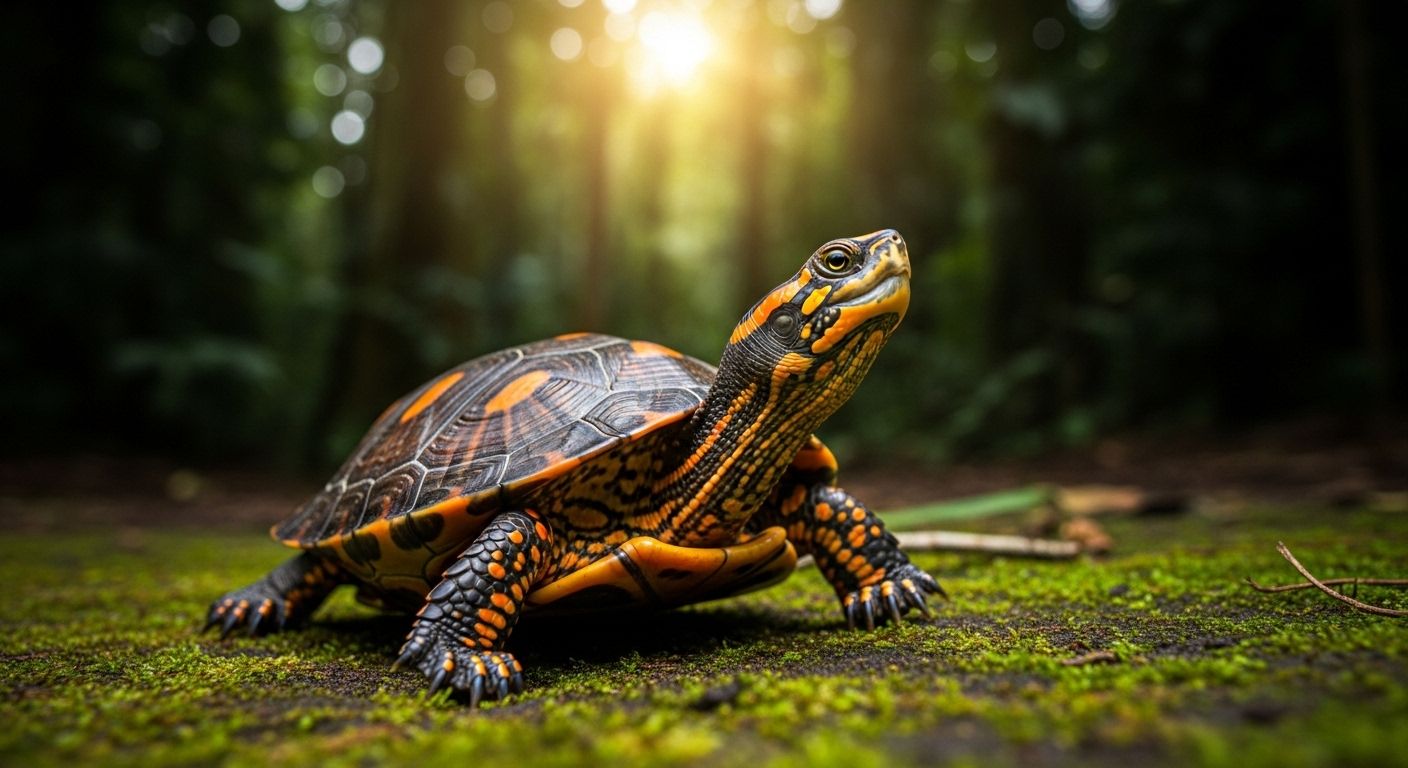
Ever been knee-deep in a Carolina cypress swamp at dawn, mist curlin’ off the water like ghost breath, and suddenly spot somethin’ that looks like a tiny ember floatin’ through the duckweed? Chances are, you just locked eyes with an orange spotted turtle—nature’s own pocket-sized firework. These little fellers don’t just *have* spots; they wear ‘em like war paint, each dot a flicker of burnt sienna or pumpkin-orange against a jet-black shell so glossy it could double as a mirror. And no, your eyes ain’t playin’ tricks—this ain’t some Photoshopped fantasy from a reptile meme page. The orange spotted turtle is very real, wildly charismatic, and, sadly, vanishing faster than a mayfly in August. So grab your waders and your wonder—we’re diving into the world of one of North America’s most underrated shelled gems.
Not All Spots Are Created Equal: Meet the Real Orange Spotted Turtle
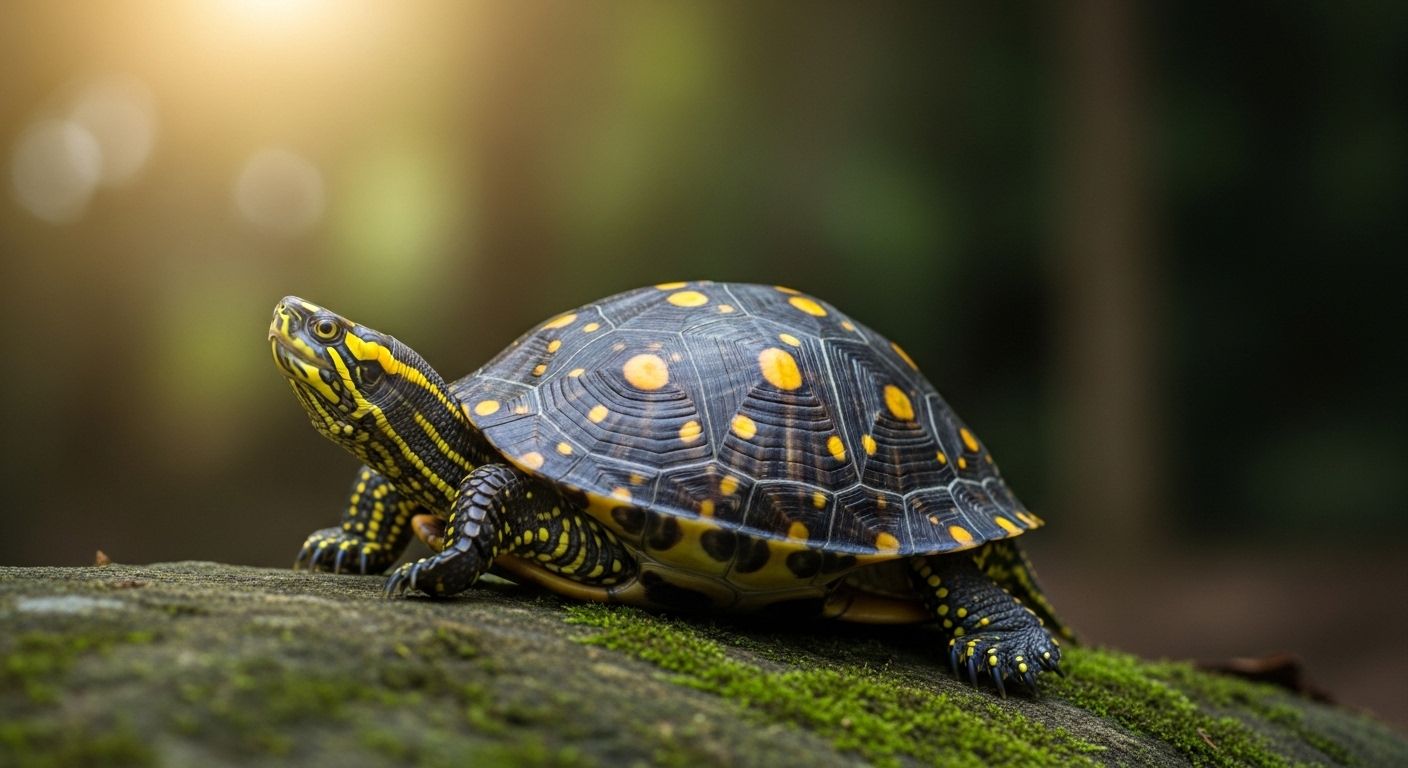
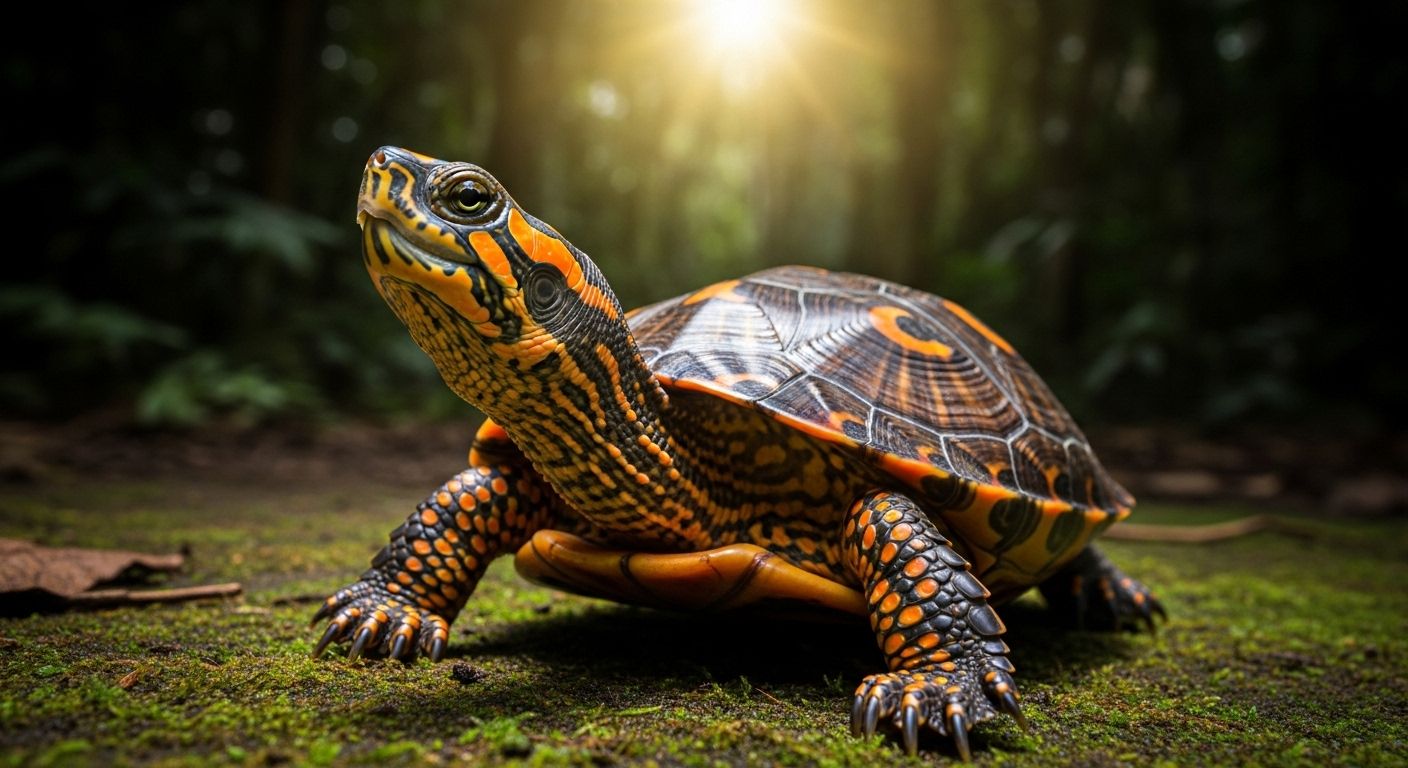
Hold up—before y’all start taggin’ every speckled critter on Instagram as an “orange spotted turtle,” let’s clear the fog. True orange-spotted turtles refer primarily to the **spotted turtle** (*Clemmys guttata*), a petite, semi-aquatic species native to eastern North America. Juveniles sport vivid orange or yellow spots on their smooth, dark carapace—sometimes just a few, sometimes dozens—and these markings often fade slightly with age but rarely disappear entirely. Don’t confuse ‘em with painted turtles (which have red stripes, not spots) or box turtles (which might have orange *blotches*, but not crisp, polka-dot-style speckles). The orange spotted turtle is its own vibe: shy, sleek, and built for life in shallow, clean wetlands. Think of it as the indie folk singer of the turtle world—quiet, poetic, and easily overlooked until you really listen.
Rarity in the Reeds: Just How Rare Is This Little Fire-Dot?
Here’s the hard truth, folks: the orange spotted turtle ain’t just uncommon—it’s in trouble. Once widespread from southern Maine down to northern Florida and west to Indiana, populations have cratered due to habitat loss, road mortality, and illegal pet trade collection. The IUCN lists it as **Endangered**, and several states (like Michigan and New York) classify it as threatened or protected. In parts of its historic range? You could wander for weeks through perfect-looking marshes and not see a single one. One study estimated local declines of over 50% in just two decades. So yeah—spotting an orange spotted turtle in the wild today is like findin’ a four-leaf clover… if that clover also had a PhD in hide-and-seek. Their rarity isn’t just a number—it’s a warning bell ringing softly in the reeds.
Shell Patterns & Personality: What Makes the Orange Spotted Turtle Unique?
Beyond those eye-catchin’ dots, the orange spotted turtle packs personality into a package no bigger than your hand. Adults average just 3.5 to 5 inches (9–12.5 cm)—small enough to fit in a coffee mug, if you were into that kinda thing (you’re not, right?). Their skin is black with scattered orange flecks, and males often have bright orange eyes and chin spots, while females lean toward brown eyes and more subdued markings. But here’s the kicker: they’re smart. Observational studies show they learn feeding routines fast, recognize keepers, and even display individual quirks—like one preferring mealworms over earthworms, or another refusing to bask unless the sun hits *just* right. The orange spotted turtle isn’t just a pretty shell; it’s got soul, sass, and a silent dignity that humbles anyone lucky enough to watch it glide through pickerelweed.
Home Sweet Wetland: Where Do Orange Spotted Turtles Live?
You won’t find the orange spotted turtle loungin’ in muddy farm ponds or concrete-lined retention basins. Nah—this critter demands *clean*, *shallow*, *vegetated* wetlands: think sphagnum bogs, sedge meadows, vernal pools, and slow-flowing creeks choked with water lilies. They need soft bottoms for burrowing, plenty of emergent plants for cover, and zero pollution. Even slight nutrient runoff from nearby farms can trigger algal blooms that choke out their habitat. Ideal territory looks like something outta a Thoreau journal—quiet, wild, and untouched. If your local swamp smells like fertilizer or echoes with ATVs, the orange spotted turtle has already packed its tiny bags and moved on.
Pet Trade Temptation: Can You Keep an Orange Spotted Turtle at Home?
Let’s address the elephant—or rather, the turtle—in the room: “Can I keep one as a pet?” Technically? Maybe. Ethically? Almost always **no**. Wild-caught orange spotted turtle specimens are increasingly scarce, and removing them from fragile ecosystems accelerates their decline. Captive-bred individuals *do* exist, but they’re pricey (often $300–$600 USD) and require expert-level care: pristine water filtration, UVB lighting, seasonal temperature cycling, and a diet rich in live prey. Plus, many states **ban private ownership** without permits. Even seasoned herpers admit these turtles are stress-prone and rarely thrive long-term in captivity. If you’re dead set on sharing your life with a shelled friend, consider adopting a rescued red-eared slider instead. The orange spotted turtle belongs in the wild—not in a tank under fluorescent lights.
Eastern Box Turtles: The Confusing Cousin with Orange Blotches
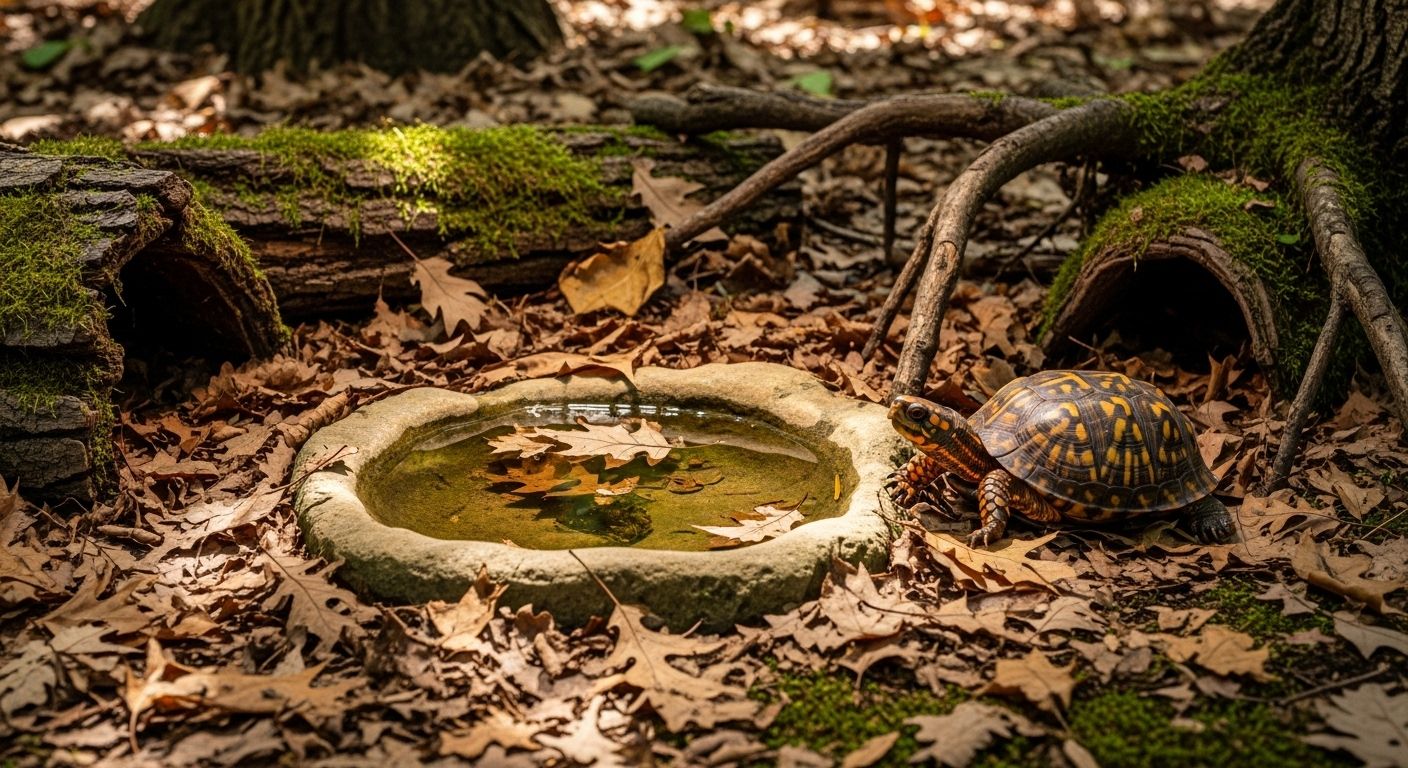
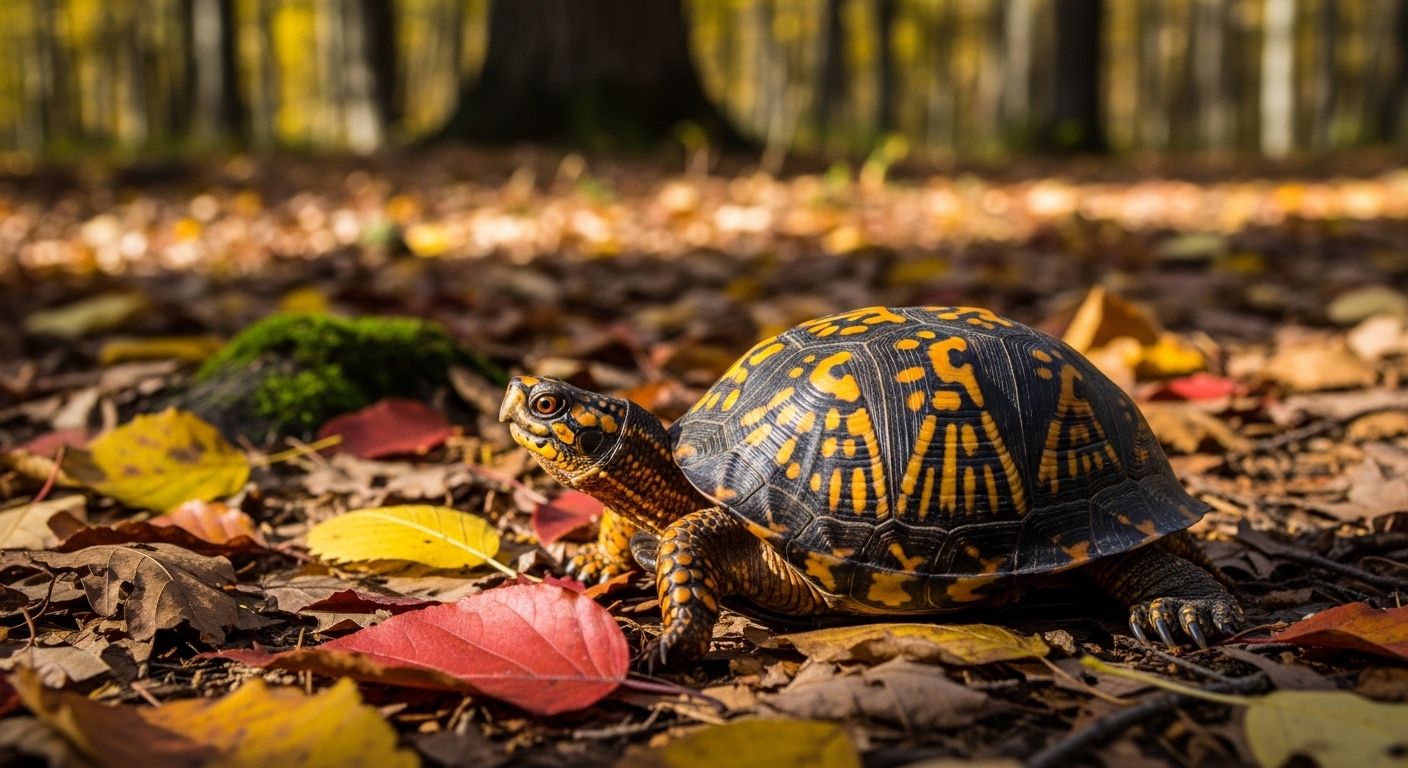
Alright, y’all asked: “How rare are eastern box turtles?”—and while they’re not our main star, it’s worth clearin’ the confusion. Eastern box turtles (*Terrapene carolina carolina*) often sport orange, yellow, or red **blotches** (not crisp spots!) on their high-domed shells and limbs. They’re terrestrial, not aquatic, and far more common than the orange spotted turtle—though still declining due to habitat fragmentation. You might see one crossin’ a rural road in Virginia or munchin’ strawberries in a Pennsylvania garden. But here’s the key difference: box turtles have hinged plastrons that let ‘em fully close up like a armored lunchbox; spotted turtles? Nope—they’re streamlined swimmers with flat shells and webbed feet. Mixin’ ‘em up is easy, but once you know the signs, the orange spotted turtle stands out like a neon sign in a library.
Conservation in Action: Who’s Fighting for the Fire-Dot?
Good news amid the gloom: folks *are* rollin’ up their sleeves for the orange spotted turtle. Organizations like the Turtle Survival Alliance and state wildlife agencies run head-start programs—raising hatchlings in safety until they’re big enough to dodge predators—then releasing them into protected wetlands. Others restore degraded habitats by replanting native sedges and installing turtle-exclusion fencing near roads. Citizen scientists log sightings via apps like iNaturalist, helping map remaining strongholds. And crucially, laws are tightenin’: in 2023, Maryland banned all commercial harvest of native turtles, including the orange spotted turtle. Every patch of saved bog, every reported sighting, every kid who learns not to flip one over “for fun”—that’s how we keep these living embers from goin’ out.
Myth vs. Reality: Debunking Orange Spotted Turtle Lore
Down South, old-timers swear spotted turtles can predict rain by the number of spots they’ve got (they can’t). Others claim their shells bring good luck if carried in your pocket (please don’t). And no, they don’t glow in the dark—though their orange dots sure seem to when sunlight hits ‘em just right. The biggest myth? That they’re “just another pond turtle.” The orange spotted turtle is a bioindicator—a living gauge of wetland health. Where they thrive, water’s clean, insects buzz, and frogs sing at dusk. Where they vanish? Something’s broken. Respectin’ the orange spotted turtle means respectin’ the whole delicate web it’s woven into—not treatin’ it like a trinket or a trend.
How You Can Help: From Backyard to Big Picture
So you’re smitten by the orange spotted turtle—now what? First, protect wetlands: support land trusts, oppose development in sensitive areas, and never dump chemicals down storm drains. Second, drive slow near wetlands during spring migration (March–June)—many adults get crushed crossing roads to nest. Third, report sightings (with photos!) to local herpetological societies or platforms like HerpMapper. And finally, spread the word—without revealing exact locations (poachers lurk online). Curious where to start? Swing by the homepage of Sea Turtle Farm, explore our full Species catalog, or geek out over another oddball reptile in our deep dive: Turtle With Snout Pig Nose Weird. Every click, share, and conscious choice helps shield the future of the orange spotted turtle.
Frequently Asked Questions
What kind of turtle has orange spots?
The turtle most known for distinct orange spots is the spotted turtle (Clemmys guttata), often called the orange spotted turtle due to its vivid, polka-dot-like markings on a black carapace and skin.
How rare is a spotted turtle?
The orange spotted turtle (spotted turtle) is considered Endangered by the IUCN and is protected in many U.S. states due to significant population declines from habitat loss and illegal collection—making wild sightings increasingly rare.
Can spotted turtles be kept as pets?
While captive-bred orange spotted turtle specimens exist, they require advanced care, are expensive, and are illegal to own without permits in many areas. Ethically, they’re best left in the wild due to their conservation status.
How rare are eastern box turtles?
Eastern box turtles are more common than the orange spotted turtle but still face population declines. They are not federally listed as endangered but are considered vulnerable in several states due to habitat loss and road mortality.
References
- https://www.iucnredlist.org/species/4960/142809579
- https://www.fws.gov/species/spotted-turtle-clemmys-guttata
- https://www.turtlesurvival.org/conservation/north-american-turtles/spotted-turtle/
- https://academic.oup.com/bioscience/article/70/10/888/5895132