Stinkpot Turtle Habitat Tiny Tank Win
- 1.
What Even Is a Stinkpot Turtle’s Habitat, Y’all?
- 2.
Are Stinkpot Turtles Good Pets? (Spoiler: For the Right Folks, Heck Yeah)
- 3.
From Wild Waters to Your Living Room: Mimicking Their Natural Habitat
- 4.
Tank Size & Setup: Small Shell, Big Needs
- 5.
Basking Area: Optional, But Lighting Ain’t
- 6.
Substrate, Decor & Hiding Spots: Less Is More (But Not Too Little)
- 7.
Feeding Time in the Stinkpot Turtle Habitat: What’s on the Menu?
- 8.
Water Quality: The Silent Killer (And How to Beat It)
- 9.
Common Mistakes New Owners Make (We’ve All Been There)
- 10.
Why This Tiny Turtle Deserves a Thoughtful Home
Table of Contents
stinkpot turtle habitat
What Even Is a Stinkpot Turtle’s Habitat, Y’all?
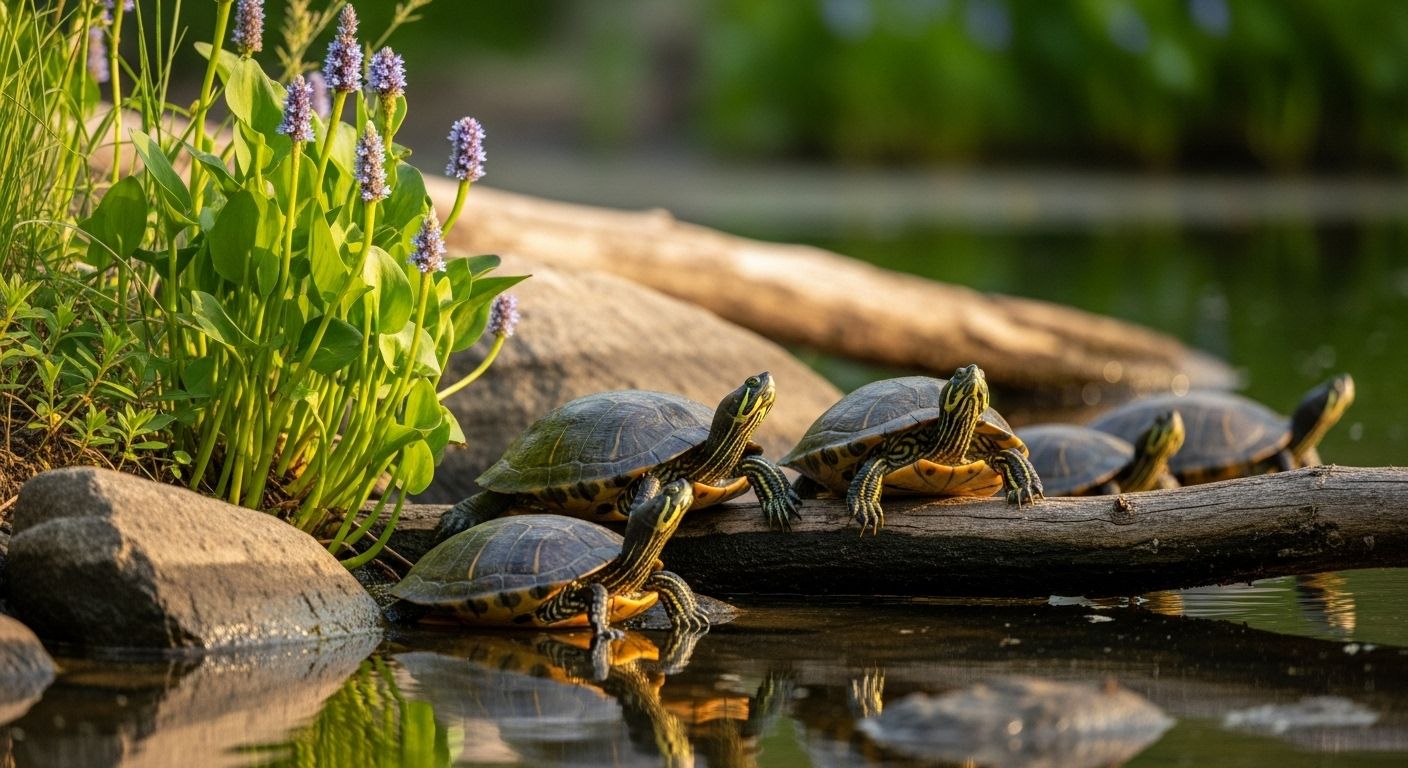
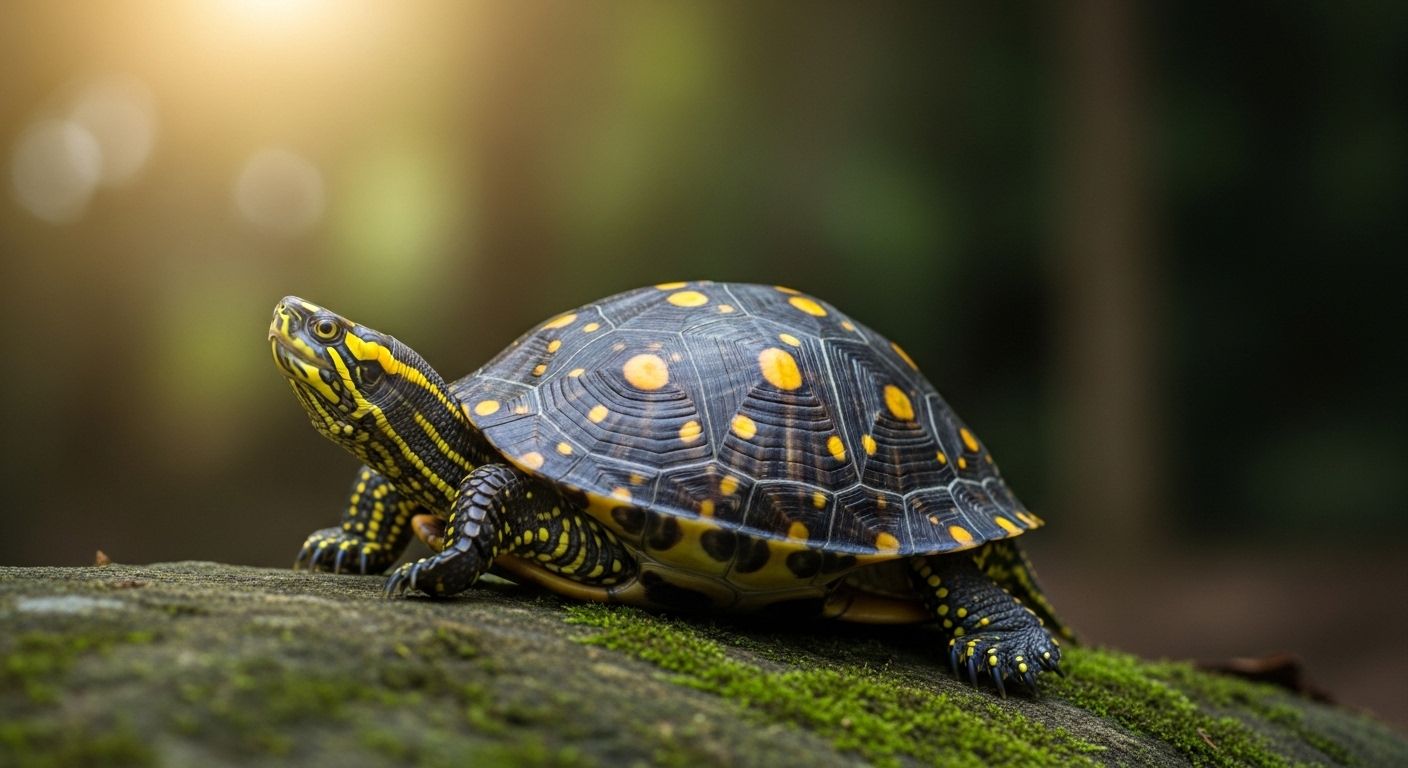
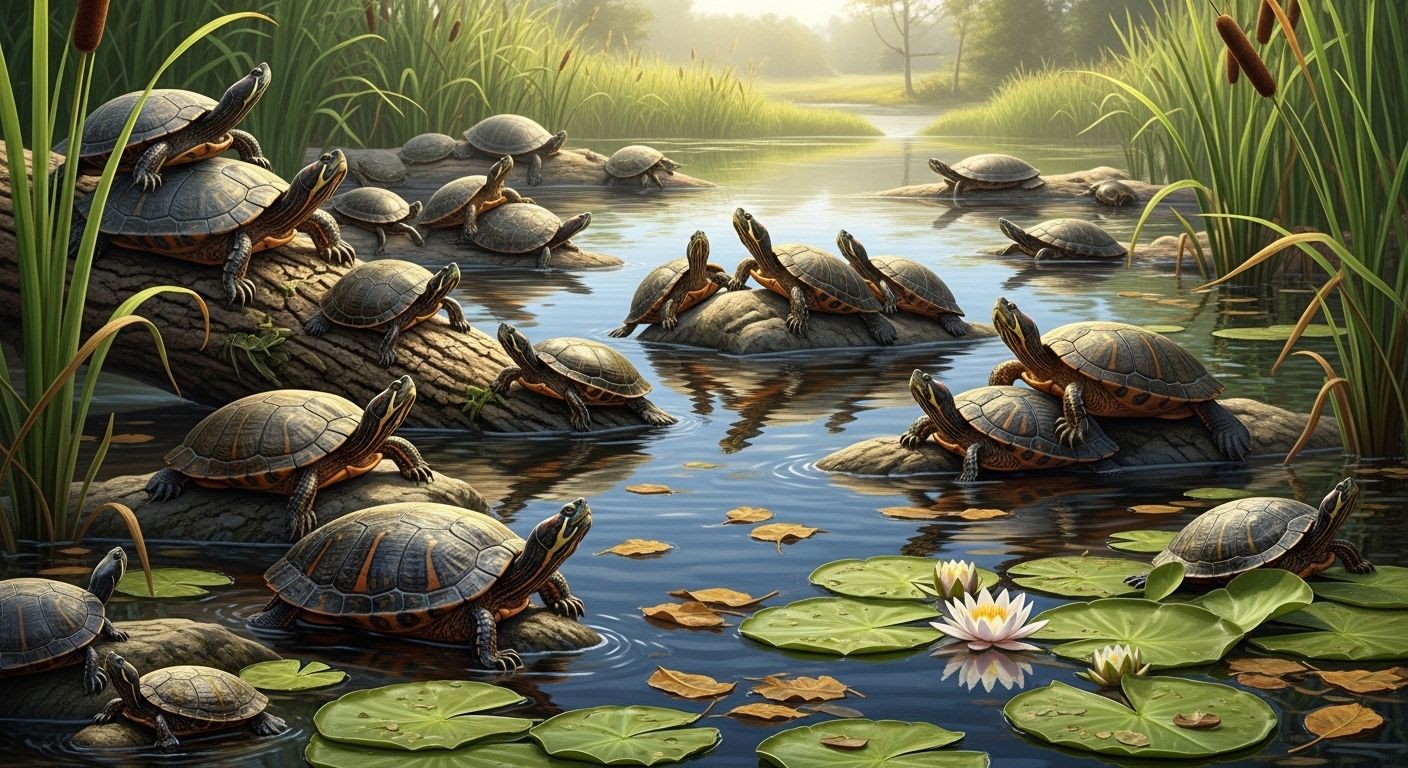
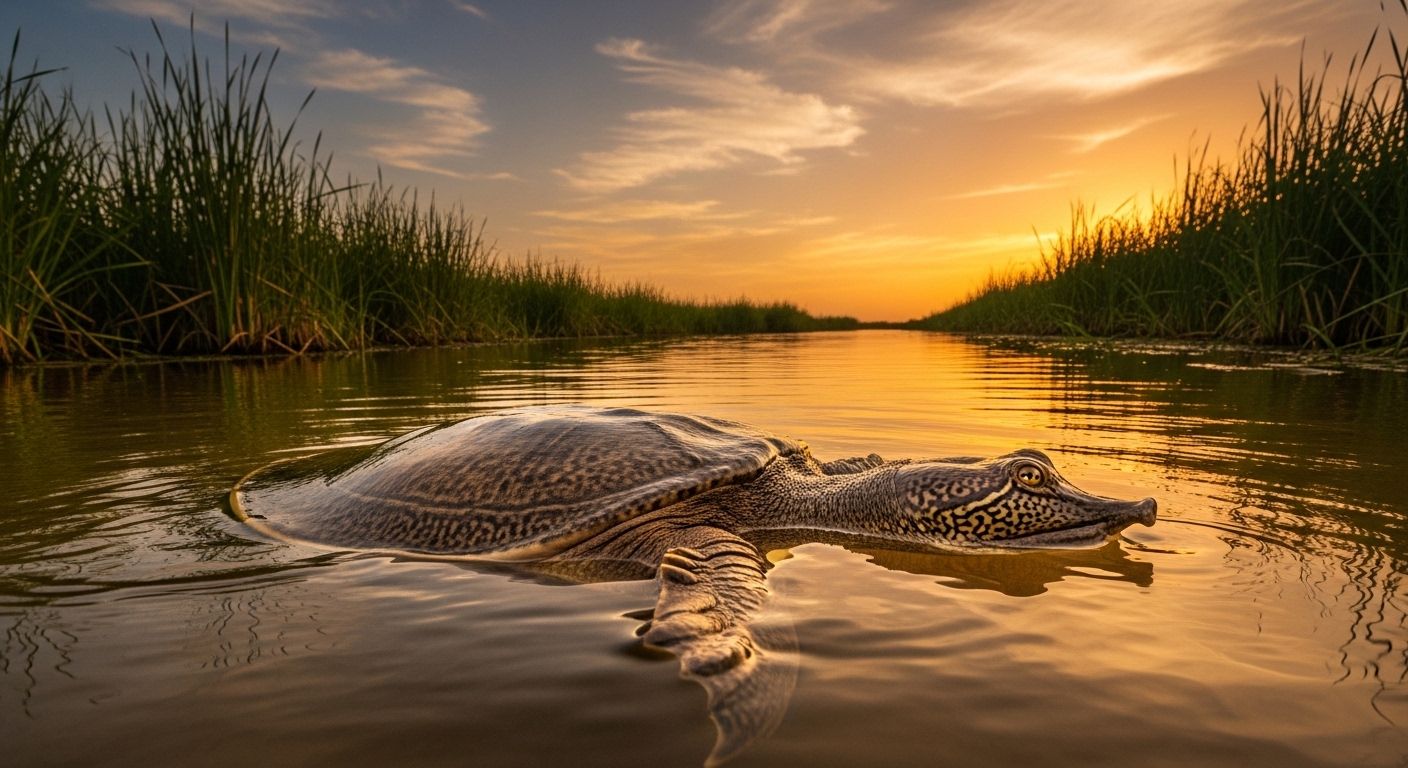
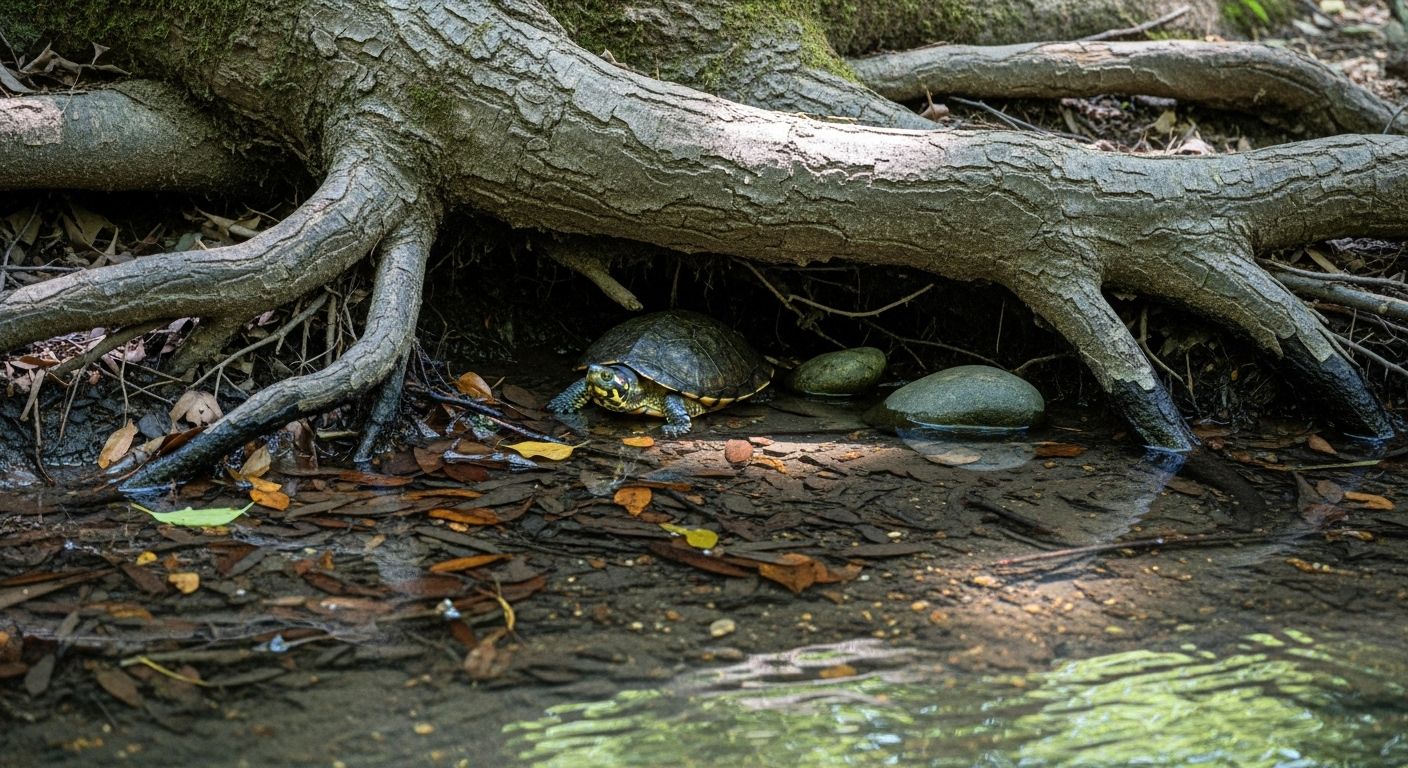
Ever heard that nickname “stinkpot” and wondered if someone was talkin’ ‘bout a busted radiator or a tiny turtle with serious attitude? Spoiler: it’s the latter. The stinkpot turtle—aka the common musk turtle (*Sternotherus odoratus*)—ain’t exactly fragrant, but it’s got charm in spades. So, what is the stinkpot turtle’s habitat in the wild? Think slow, murky backwaters: shallow creeks, muddy ponds, swampy marshes, and even leaf-littered forest streams from southern Canada all the way down to Florida [[1]]. These little fellas (usually 3–5 inches long) are bottom-walkers, not swimmers, and they love hangin’ out in water choked with plants, logs, and soft muck. Replicating that vibe in captivity? That’s where your stinkpot turtle habitat comes in—and trust us, get it right, and you’ve got yourself a low-key, long-lived buddy.
Are Stinkpot Turtles Good Pets? (Spoiler: For the Right Folks, Heck Yeah)
“Are stinkpot turtles good pets?”—a question we hear more than “where’s the remote?” at family BBQs. And the answer? It depends. If you’re lookin’ for a cuddly, hand-fed reptile that’ll pose for Instagram… nah. But if you dig quiet, quirky, low-maintenance critters that mostly mind their own biz? Then yeah, a well-set-up stinkpot turtle habitat can house one of nature’s most underrated roommates. They live 30–50 years, barely need space (compared to sliders or snappers), and rarely beg for attention. Just don’t expect them to come when called—unless you’re holdin’ a worm. And maybe wear gloves during tank cleanin’. They *can* musk when stressed (hence the name), and that smell? Let’s just say it lingers like bad decisions after midnight.
From Wild Waters to Your Living Room: Mimicking Their Natural Habitat
The natural habitat of the musk turtle is all about cover, calm, and clutter—but the good kind. We’re talkin’ dense aquatic vegetation, submerged branches, muddy bottoms, and zero fast currents. In your stinkpot turtle habitat, aim for that same energy: shallow water (6–8 inches max for adults), plenty of hiding nooks, and a soft or bare substrate. Unlike other turtles, musk turtles rarely bask—but they still need UVB! Why? ‘Cause even underwater, they absorb rays through the surface. Skip it, and you risk shell deformities or metabolic bone disease. Oh, and keep temps between 72–78°F—no wild swings, or your little stinkpot’ll go full hermit mode.
Tank Size & Setup: Small Shell, Big Needs
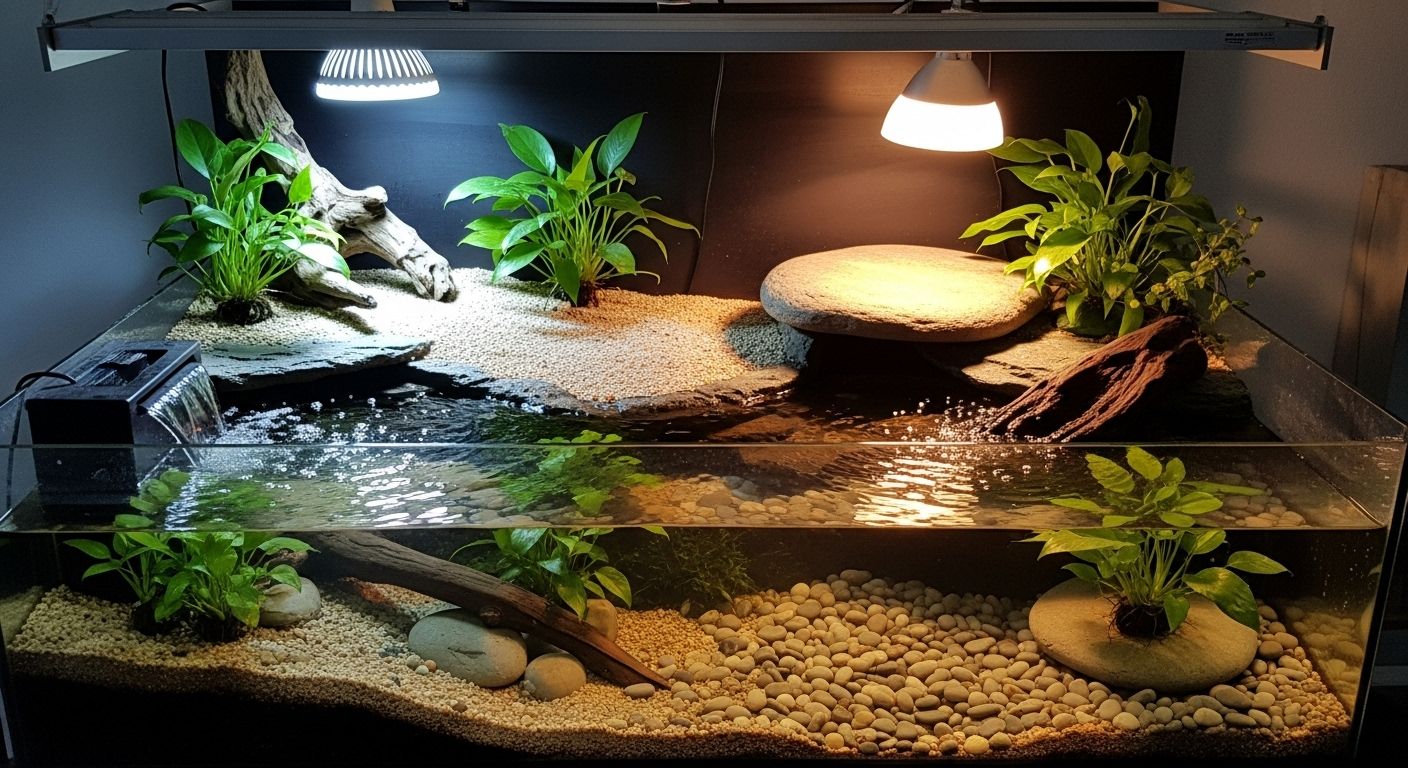
Don’t let their size fool ya—a proper stinkpot turtle habitat ain’t just a fishbowl with a rock. Adults need at least a 20-gallon long tank (30" x 12"), though 40 gallons is dreamy. Why long? ‘Cause these dudes walk along the bottom, not swim laps. Vertical height? Useless. Focus on floor space. And filtration? Non-negotiable. Musk turtles are messy eaters, and their waste builds up fast. A sponge filter or small canister (rated for 2x tank volume) keeps things clean. Weekly 30% water changes? Mandatory. Keep ammonia at zero, or your stinkpot’s health tanks faster than a dropped phone in a toilet.
Basking Area: Optional, But Lighting Ain’t
Here’s the twist: musk turtles rarely haul out to dry land. Like, ever. So do you need a basking platform in your stinkpot turtle habitat? Technically, no—but you still gotta provide UVB lighting over the water. Mount a 5.0 UVB tube across the tank, run it 10–12 hours a day, and pair it with a submersible heater. Some keepers add a floating dock “just in case,” and occasionally, a musk turtle will surprise ‘em by flopping onto it like, “Yeah, I do this now.” But don’t stress if yours never does. As long as they get UV exposure and stable temps, they’re golden.
Substrate, Decor & Hiding Spots: Less Is More (But Not Too Little)
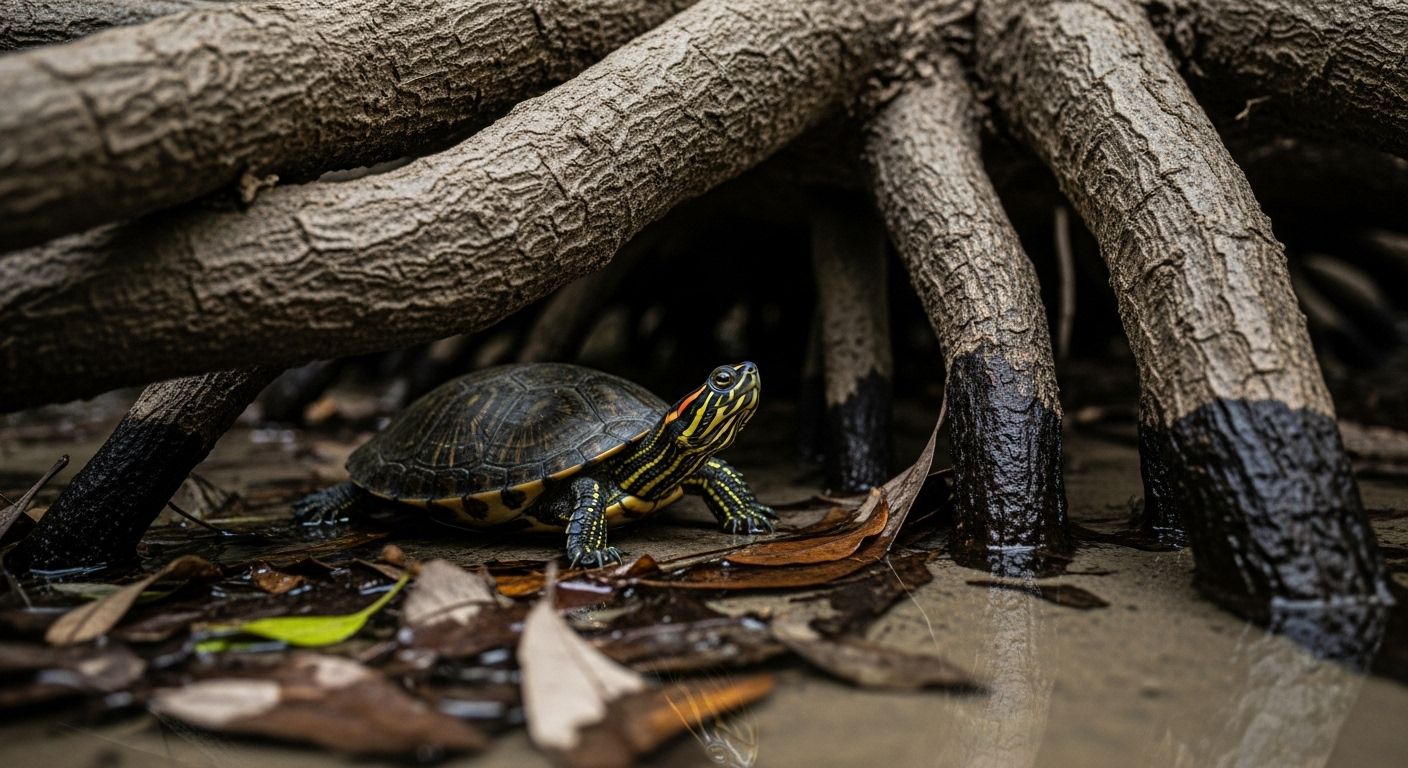
When designing your stinkpot turtle habitat, think “cozy cave,” not “aquascaped paradise.” Bare-bottom tanks are easiest to clean, but if you want aesthetics, use fine sand or smooth river stones (nothing small enough to swallow). Then add hides: PVC pipes, ceramic caves, driftwood tunnels. Musk turtles feel safest when they’ve got overhead cover—so floating plants like duckweed or frogbit are clutch. They diffuse light, reduce stress, and give your turtle that “I’m invisible” confidence. Just avoid sharp decor or rough rocks—they’ve got soft plastrons that scratch easy.
Feeding Time in the Stinkpot Turtle Habitat: What’s on the Menu?
These little carnivores love protein. In the wild, they munch snails, insects, worms, and the occasional dead fish. In captivity? Offer a mix: Reptomin pellets, bloodworms, earthworms, krill, and freeze-dried shrimp. Juveniles eat daily; adults 3–4x/week. Always feed in water—they can’t swallow on land. And pro tip: use feeding tongs or a separate tub to keep your main stinkpot turtle habitat clean. Overfeeding leads to cloudy water and fatty liver disease, so stick to portions the size of their head. No, really—that’s the rule.
Water Quality: The Silent Killer (And How to Beat It)
Let’s be real: musk turtles turn water into pea soup faster than you can say “filter clog.” Their tiny size doesn’t mean tiny mess. That’s why your stinkpot turtle habitat needs robust filtration. A sponge filter works for babies, but adults demand more—think Eheim or Fluval. Test water weekly: ammonia and nitrite must be 0 ppm, nitrates under 40. Do partial water changes like your turtle’s life depends on it (‘cause it does). And never skip dechlorinator—tap water chlorine burns their eyes and skin. Clean water = healthy shell = happy stinkpot.
Common Mistakes New Owners Make (We’ve All Been There)
Top blunders in stinkpot turtle habitat setup? Skippin’ UVB (“they don’t bask!”), usin’ deep tanks (“more water = better!”—nope), and overhandling (“aww, it’s so cute!”—until it musks on your shirt). Another biggie: assuming they’re “cheap pets.” Sure, the turtle might cost $30–$60 USD, but the tank, filter, heater, UVB, and food add up fast. Budget at least $150–$200 upfront. And remember: they’re not toys. They’re wild animals with specific needs. Respect that, and you’ll have a fascinating companion for decades.
Why This Tiny Turtle Deserves a Thoughtful Home
At the end of the day, the best habitat for a musk turtle isn’t about fancy gear—it’s about understanding their wild instincts and honoring them. A well-planned stinkpot turtle habitat gives them security, stimulation, and stability. And if you’re new to turtle-keeping, start here: visit Sea Turtle Farm for honest, no-fluff guides. Dive into our Habitat section for species-specific setups, or check out our budget-friendly build in turtle home habitat diy under 100. Because every stinkpot—yes, even the smelly ones—deserves a home that feels like home.
Frequently Asked Questions
What is the stinkpot turtle's habitat?
The stinkpot turtle's habitat in the wild includes slow-moving, shallow freshwater bodies like ponds, marshes, creeks, and swamps with abundant vegetation and soft bottoms. In captivity, a proper stinkpot turtle habitat should mimic these conditions with shallow water (6–8 inches), hiding spots, UVB lighting, and strong filtration.
Are stinkpot turtles good pets?
Yes, stinkpot turtles can be excellent pets for experienced or patient beginners who understand their needs. They’re low-maintenance, long-lived, and don’t require large enclosures, but they aren’t interactive and may release a foul musk when stressed. A proper stinkpot turtle habitat is key to their well-being.
What is the natural habitat of the musk turtle?
The natural habitat of the musk turtle (stinkpot) spans eastern North America, including slow-flowing rivers, muddy ponds, forested wetlands, and vegetated lakes. They prefer areas with soft substrates, ample cover, and minimal current—conditions that should be reflected in any captive stinkpot turtle habitat.
What is the best habitat for a musk turtle?
The best habitat for a musk turtle is a 20–40 gallon long tank with shallow water (6–8 inches), strong filtration, UVB lighting, stable temperatures (72–78°F), and multiple hiding spots. While they rarely bask, UVB exposure is essential. A clean, secure, and enriched stinkpot turtle habitat ensures long-term health and natural behavior.
References
- https://www.fws.gov/species/common-musk-turtle-sternotherus-odoratus
- https://www.tpwd.texas.gov/huntwild/wild/species/turtles/musk/
- https://www.thesprucepets.com/musk-turtle-care-sheet-1238347
- https://reptilesmagazine.com/common-musk-turtle-care-sheet/
- https://www.anapsid.org/musk.html
- https://www.petmd.com/reptile/care/musk-turtle-care-sheet
- https://www.seaturtles.org/article.php?id=1125
- https://www.chelonia.org/Articles/MuskTurtleCare.htm