Yellow Bellied Slider Habitat Upgrade Cheap
- 1.
What Exactly Does a Yellow-Bellied Slider Need to Feel at Home?
- 2.
Can You Keep a Wild Yellow-Bellied Slider as a Pet? (Spoiler: Maybe Not)
- 3.
What Do Yellow Belly Turtles Need in Their Tank? Let’s Break It Down
- 4.
Can Yellow-Bellied Sliders Live Outside? Absolutely—If You’re in the Right Zip Code
- 5.
Seasonal Shifts in the Yellow-Bellied Slider’s Natural World
- 6.
Common Mistakes New Owners Make (And How to Dodge ‘Em)
- 7.
What’s the Ideal Water Quality for a Thriving Slider?
- 8.
Why Basking Isn’t Just a Luxury—It’s Survival
- 9.
Wild vs. Captive: How Habitat Needs Overlap (and Diverge)
- 10.
From Backyard Ponds to Glass Tanks: Building the Best Possible Home
Table of Contents
yellow bellied slider habitat
What Exactly Does a Yellow-Bellied Slider Need to Feel at Home?
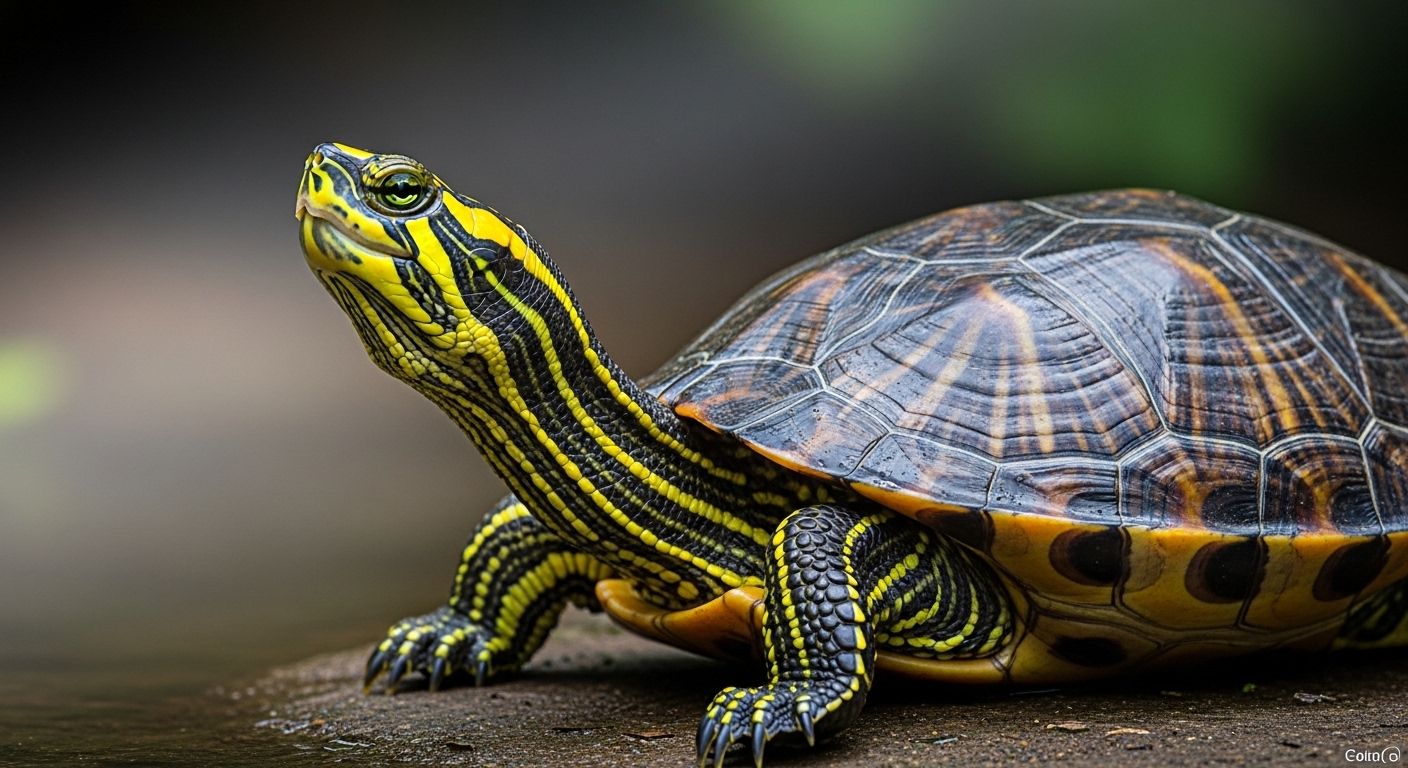
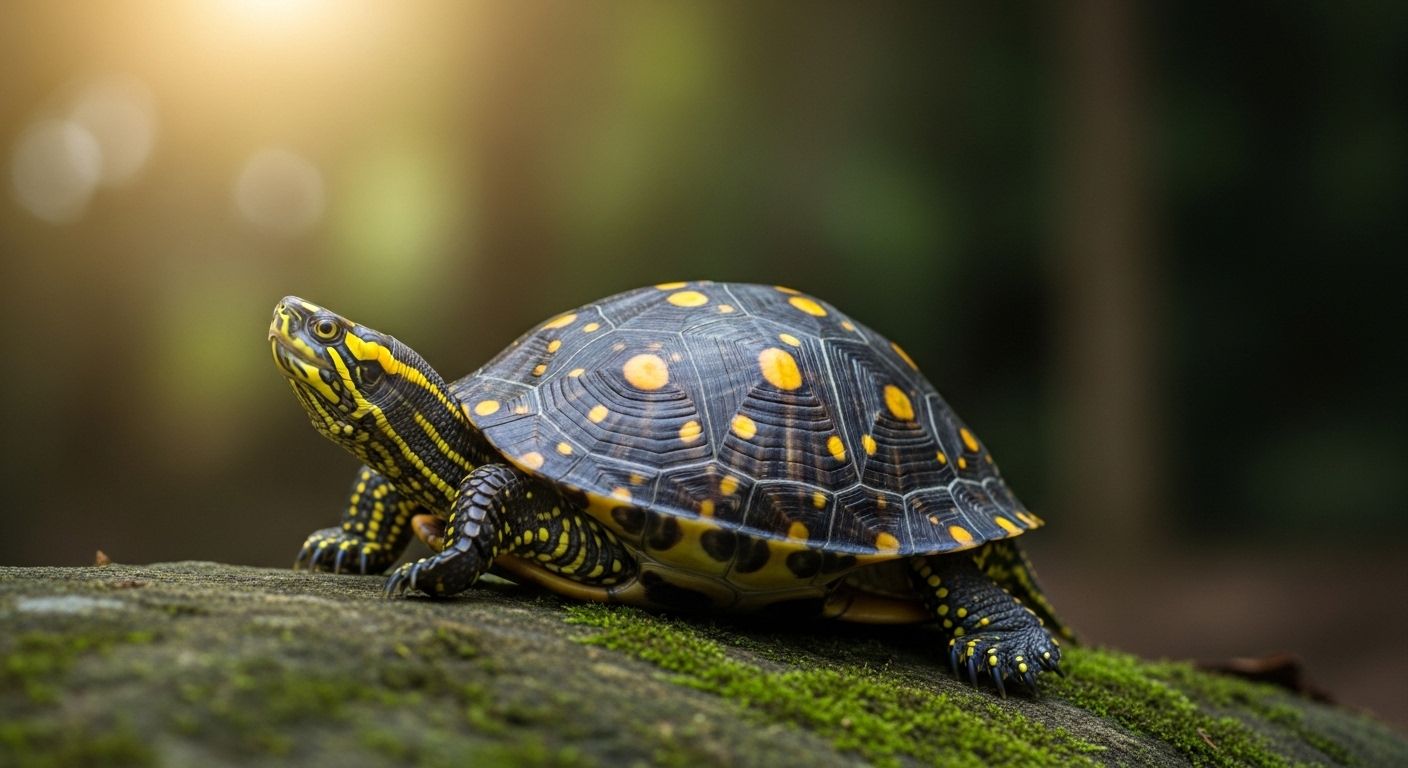
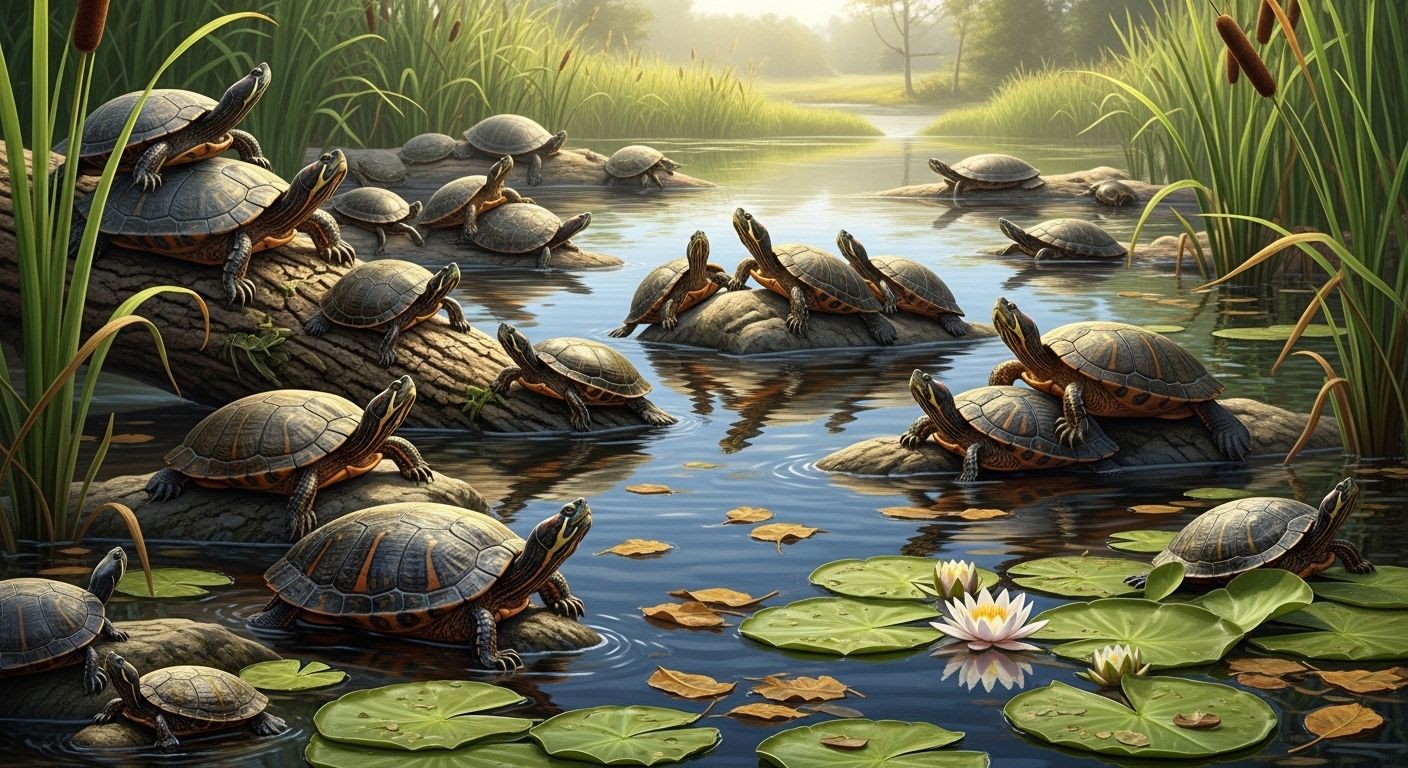
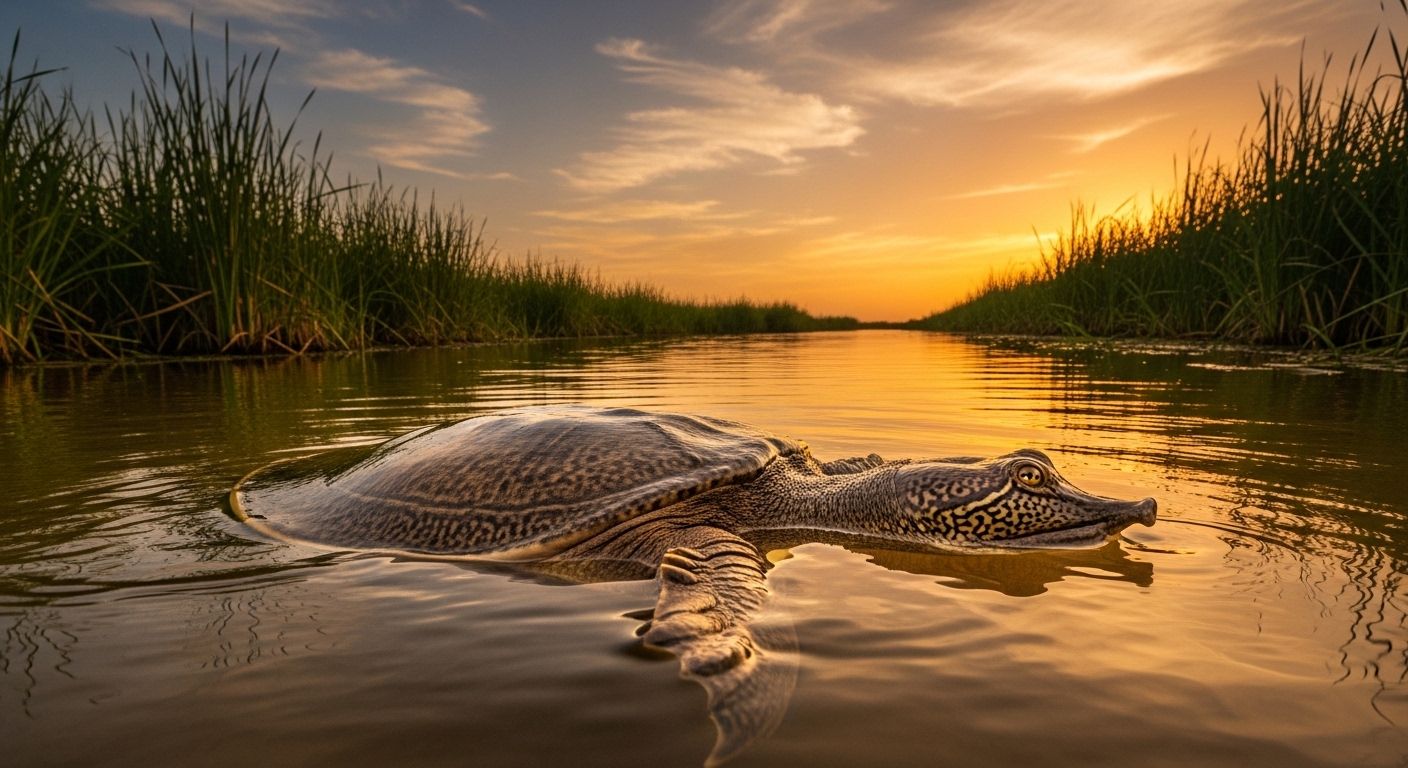
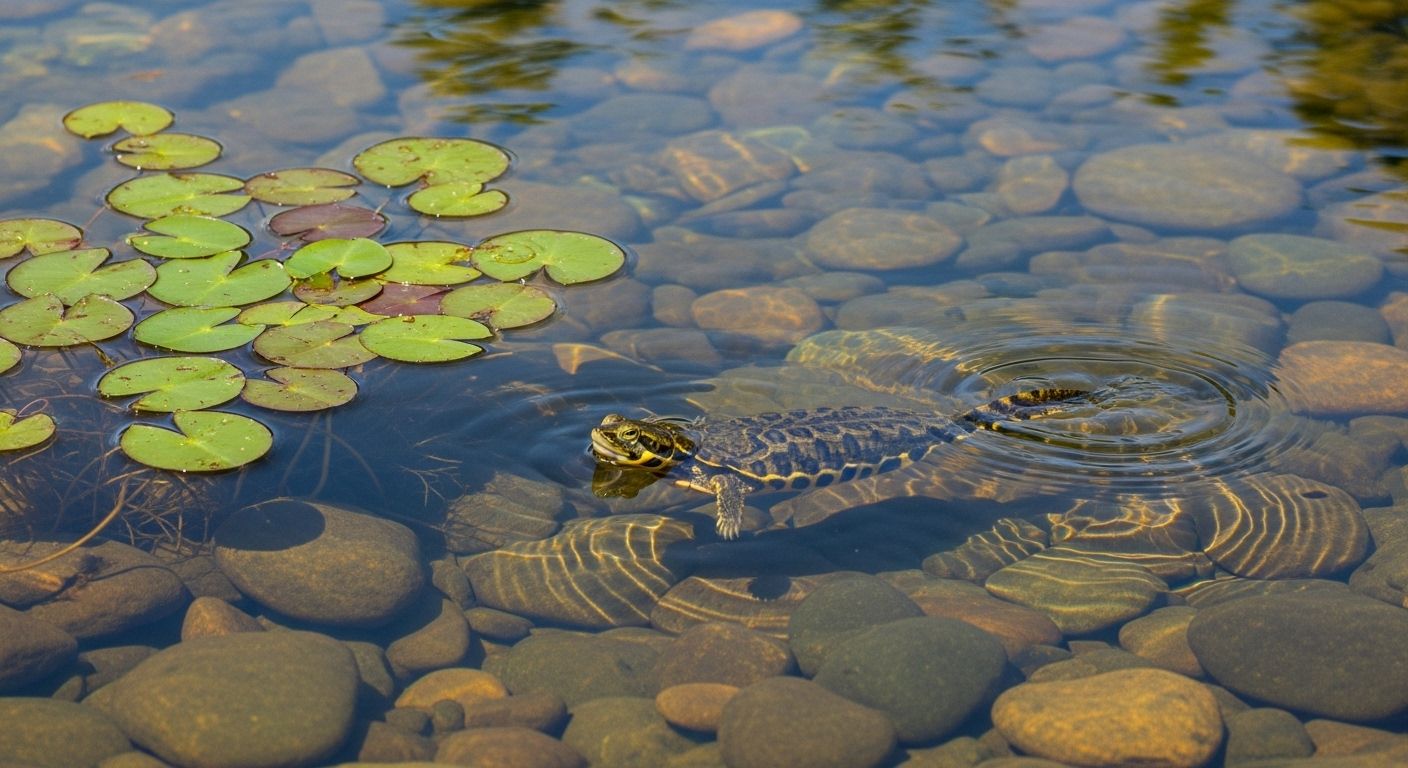
Ever looked at a yellow-bellied slider baskin’ on a sun-warmed log and thought, “Man, that turtle’s livin’ the dream”? Well, darlin’, that ain’t just luck—that’s a perfectly tuned yellow bellied slider habitat. These slick-backed, sunshine-lovin’ reptiles need a mix of clean water, dry land, and plenty of UV rays to thrive. In the wild, they’re found loungin’ in slow-moving rivers, marshes, ponds, and lakes across the southeastern U.S.—places where the water’s warm, the bugs are plentiful, and the basking spots are prime real estate [[1]]. Miss one piece of that puzzle, and your slider might just give you the silent treatment… or worse, stop eatin’.
Can You Keep a Wild Yellow-Bellied Slider as a Pet? (Spoiler: Maybe Not)
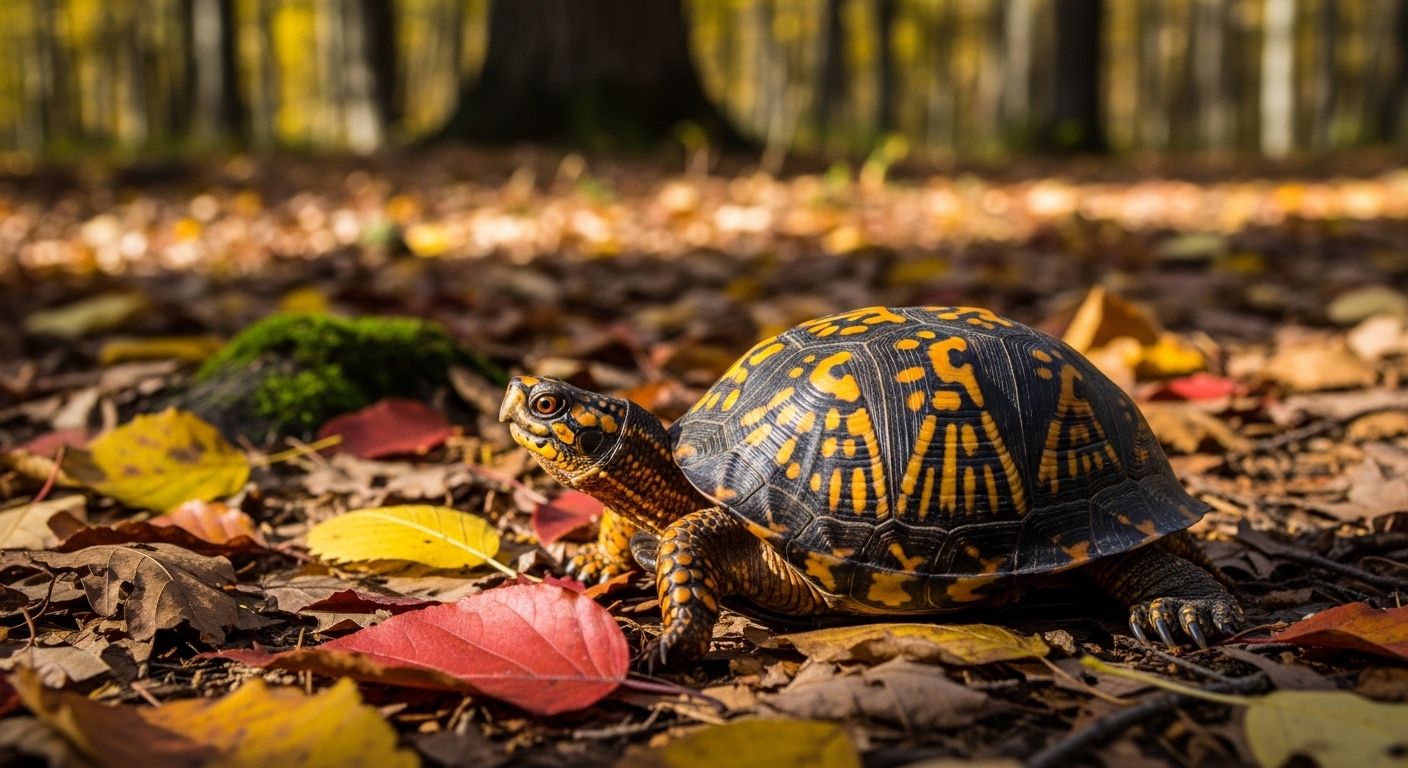
Hold your horses—just ‘cause you spot a yellow-bellied slider chillin’ by the creek don’t mean it’s up for adoption. In many states, it’s straight-up illegal to snatch ‘em from the wild. Plus, wild-caught sliders often carry parasites, stress easy, and struggle to adapt to captivity. Their natural yellow bellied slider habitat is complex, layered, and full of micro-ecosystems we can’t fully replicate in a tank [[3]]. If you’re set on bringin’ one home, go for a captive-bred baby from a reputable breeder—your conscience (and the turtle) will thank ya.
What Do Yellow Belly Turtles Need in Their Tank? Let’s Break It Down
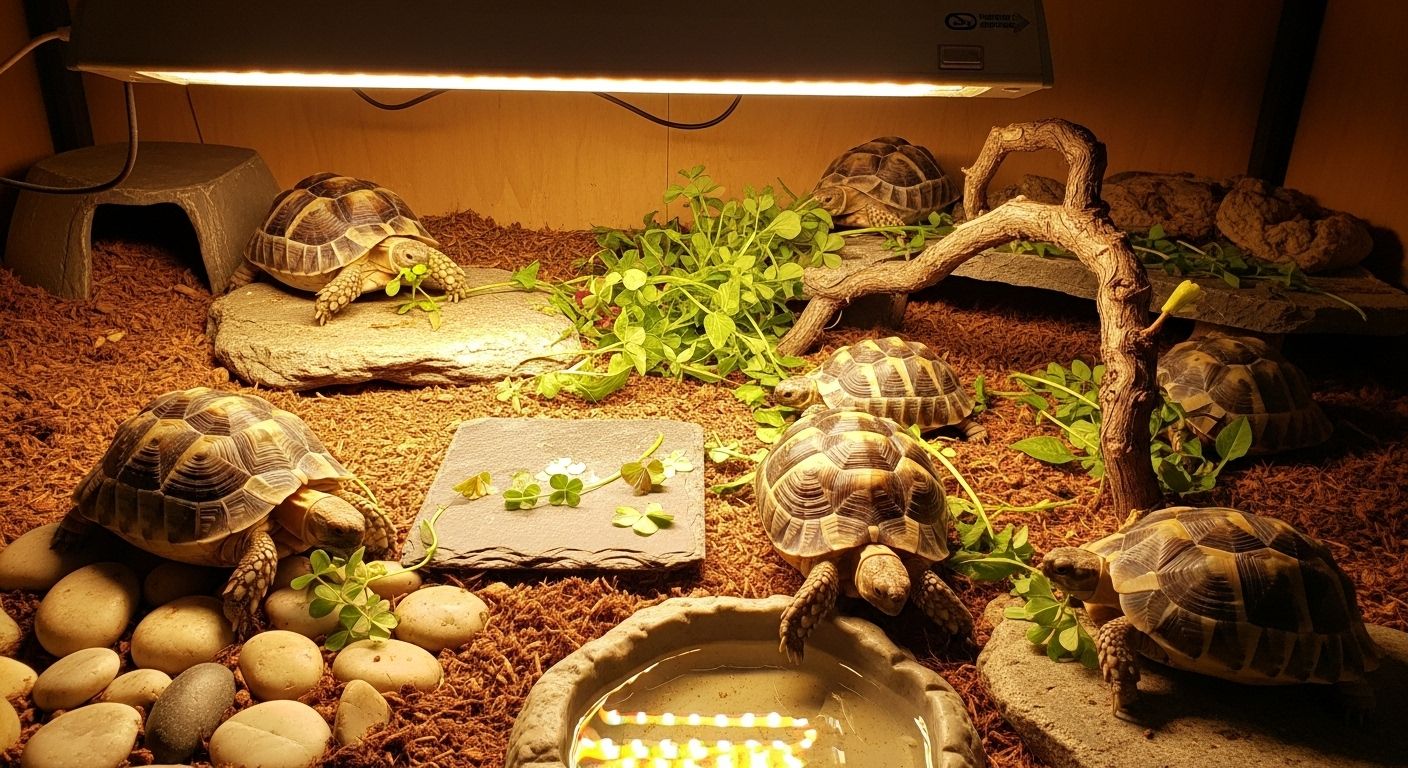
If you’re buildin’ an indoor yellow bellied slider habitat, think “mini wetland with perks.” You’ll need:
- A tank big enough—like, *at least* 75 gallons for an adult (they grow faster than your neighbor’s kudzu).
- A basking platform that’s dry, stable, and under a heat lamp (85–90°F).
- UVB lighting—non-negotiable, unless you wanna deal with metabolic bone disease.
- Water deep enough to swim (1.5–2x their shell length) and a filter strong enough to handle their mess (they’re not exactly tidy eaters).
Can Yellow-Bellied Sliders Live Outside? Absolutely—If You’re in the Right Zip Code
Down in Georgia, the Carolinas, or Florida? Your backyard pond might just be the ultimate yellow bellied slider habitat. These turtles thrive outdoors in climates where temps stay above 50°F year-round. But—and this is a big ol’ but—you gotta secure it. No raccoons, no dogs, no escape routes. Add native plants, shallow edges, and a basking dock, and you’ve got yourself a slice of turtle paradise. Just remember: if frost shows up uninvited, your slider’s in trouble. They don’t hibernate like northerners—they just shut down… permanently.
Seasonal Shifts in the Yellow-Bellied Slider’s Natural World
Springtime? That’s love season. Summer? Full-on basking and snackin’. Fall? Slowing down. Winter? Either hibernatin’ in the mud (if they’re wild and north enough) or gettin’ sluggish in cooler tanks. The yellow bellied slider habitat isn’t static—it breathes with the seasons. In captivity, mimic that rhythm: warmer water and longer light cycles in summer, slightly cooler and shorter in winter. It keeps their biology hummin’ like a well-tuned pickup truck.
Common Mistakes New Owners Make (And How to Dodge ‘Em)
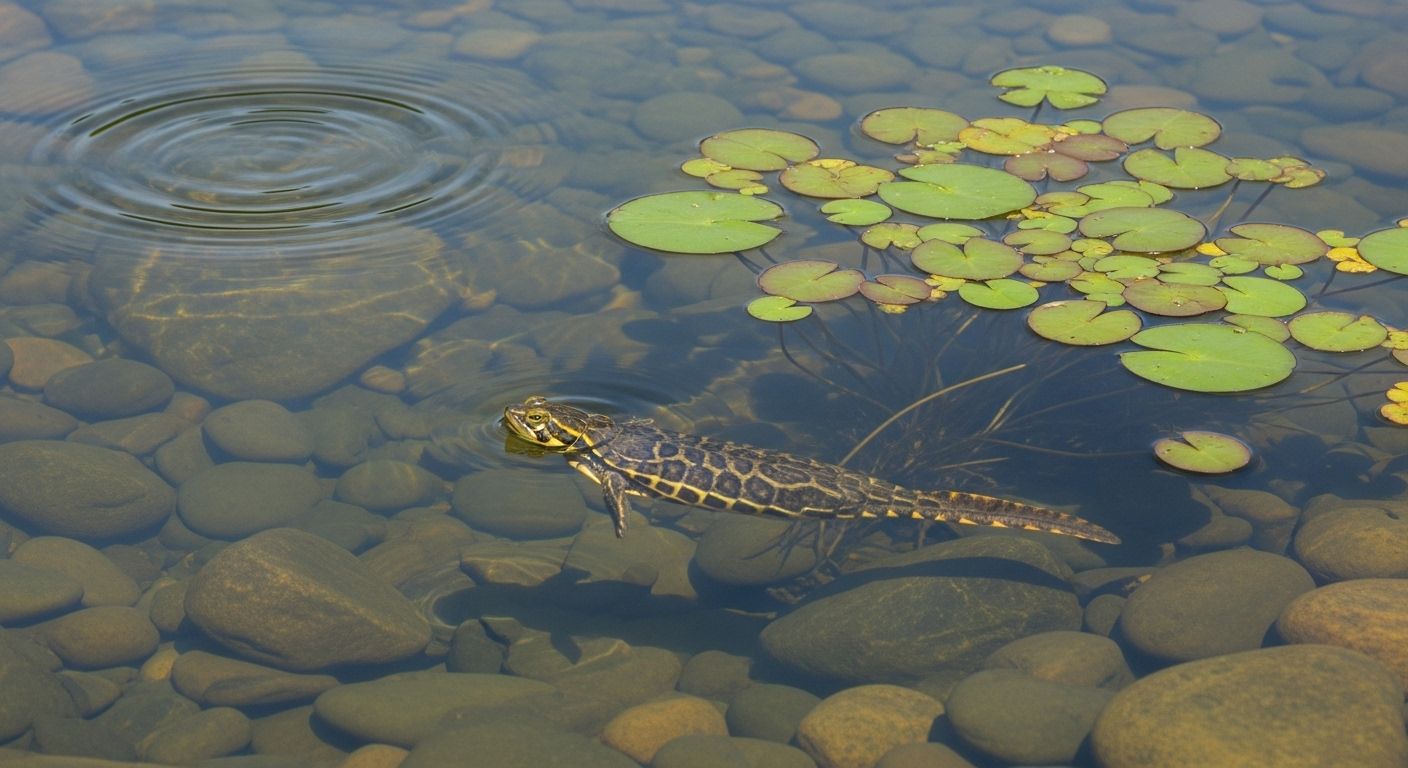
Let’s be real—most folks mess up the yellow bellied slider habitat before they even know what hit ‘em. Top blunders?
- Startin’ with a tiny tank “for now” (they outgrow it in months).
- Skippin’ UVB because “sunlight through the window counts” (it don’t—glass blocks UVB).
- Overfeedin’ (they’ll beg like a hound dog, but obesity kills).
- Using tap water without dechlorinatin’ (chlorine = bad news for delicate skin).
What’s the Ideal Water Quality for a Thriving Slider?
Clean water ain’t optional—it’s life. The yellow bellied slider habitat demands:
| Parameter | Ideal Range |
|---|---|
| pH | 6.5–8.0 |
| Ammonia | 0 ppm |
| Nitrites | 0 ppm |
| Nitrates | <40 ppm |
| Temperature | 75–80°F (24–27°C) |
Why Basking Isn’t Just a Luxury—It’s Survival
You ever seen a yellow-bellied slider sprawled out like it’s on spring break? That ain’t laziness—that’s biology. Basking lets ‘em dry off (prevents shell rot), soak up UVB (makes vitamin D3 for calcium absorption), and regulate their body temp. Without a proper basking zone in their yellow bellied slider habitat, they’ll get sick, weak, and eventually stop movin’ altogether. So don’t skimp on that platform—it’s their wellness retreat.
Wild vs. Captive: How Habitat Needs Overlap (and Diverge)
In the wild, a yellow bellied slider habitat spans acres—shallow coves, muddy banks, fallen logs, dense reeds. In captivity, we compress that into four glass walls. The core needs stay the same: water, warmth, light, safety. But in captivity, *we* control every variable. That means more responsibility—and less room for error. One missed filter cleaning or burnt-out bulb, and the whole system wobbles. Respect that balance, and your slider might just outlive your car.
From Backyard Ponds to Glass Tanks: Building the Best Possible Home
Whether you’re craftin’ an outdoor sanctuary or an indoor oasis, the goal’s the same: honor the yellow bellied slider habitat as nature intended. Start with space. Add clean, filtered water. Throw in a rockin’ basking spot. Light it right. Keep it consistent. And if you’re lookin’ for more guidance, swing by the Sea Turtle Farm homepage. Dive into habitat design over at the Habitat section. Or check out our deep-dive guide: yellow-bellied slider turtle habitat pro guide—packed with tips even old-timers swear by.
Frequently Asked Questions
What do yellow belly turtles need in their tank?
A proper yellow bellied slider habitat in captivity requires a large tank (75+ gallons for adults), clean filtered water, a dry basking area with a heat lamp (85–90°F), full-spectrum UVB lighting, and water temperatures maintained between 75–80°F. Regular water changes and a balanced diet are also essential.
What is the Yellow-bellied Slider's habitat?
In the wild, the yellow bellied slider habitat includes freshwater environments like slow-moving rivers, lakes, marshes, and ponds across the southeastern United States. These areas feature abundant vegetation, soft bottoms, and plenty of basking sites such as logs or rocks.
Can you keep a wild Yellow-bellied Slider as a pet?
It’s generally not recommended—and often illegal—to keep a wild-caught yellow-bellied slider as a pet. Wild individuals struggle in captivity and may carry diseases. A captive-bred turtle from a licensed breeder is a healthier, more ethical choice for a yellow bellied slider habitat at home.
Can yellow-bellied sliders live outside?
Yes, yellow-bellied sliders can thrive outdoors in warm climates (USDA zones 7–11) where temperatures stay above 50°F year-round. An outdoor yellow bellied slider habitat must be secure from predators, provide clean water, basking areas, and shelter from extreme weather.
References
- https://www.fws.gov/species/yellow-bellied-slider-trachemys-scripta-scripta
- https://www.tpwd.texas.gov/huntwild/wild/species/slider/
- https://www.savetheturtles.org/turtle-care-guides/yellow-bellied-slider-care-sheet/
- https://academic.oup.com/jhered/article/105/5/717/2953480
- https://www.nature.com/articles/s41598-020-79404-8