Box Turtle Housing Indoor Vs Outdoor Truth

- 1.
What’s the Deal with Box Turtle Housing, Anyway?
- 2.
Outdoor vs. Indoor: The Great Box Turtle Housing Debate
- 3.
Size Matters—More Than You Think
- 4.
Substrate: It’s Not Just Dirt—It’s Their Whole World
- 5.
Temperature, Humidity, and Light: The Holy Trinity
- 6.
Water Features: Small, Safe, and Super Important
- 7.
Hiding Spots & Enrichment: Because Boredom Kills Slowly
- 8.
Seasonal Shifts: Let Nature Guide Your Setup
- 9.
Common Pitfalls (and How to Sidestep ‘Em)
- 10.
Building the Dream Home: From Basic to Brilliant
Table of Contents
box turtle housing
What’s the Deal with Box Turtle Housing, Anyway?
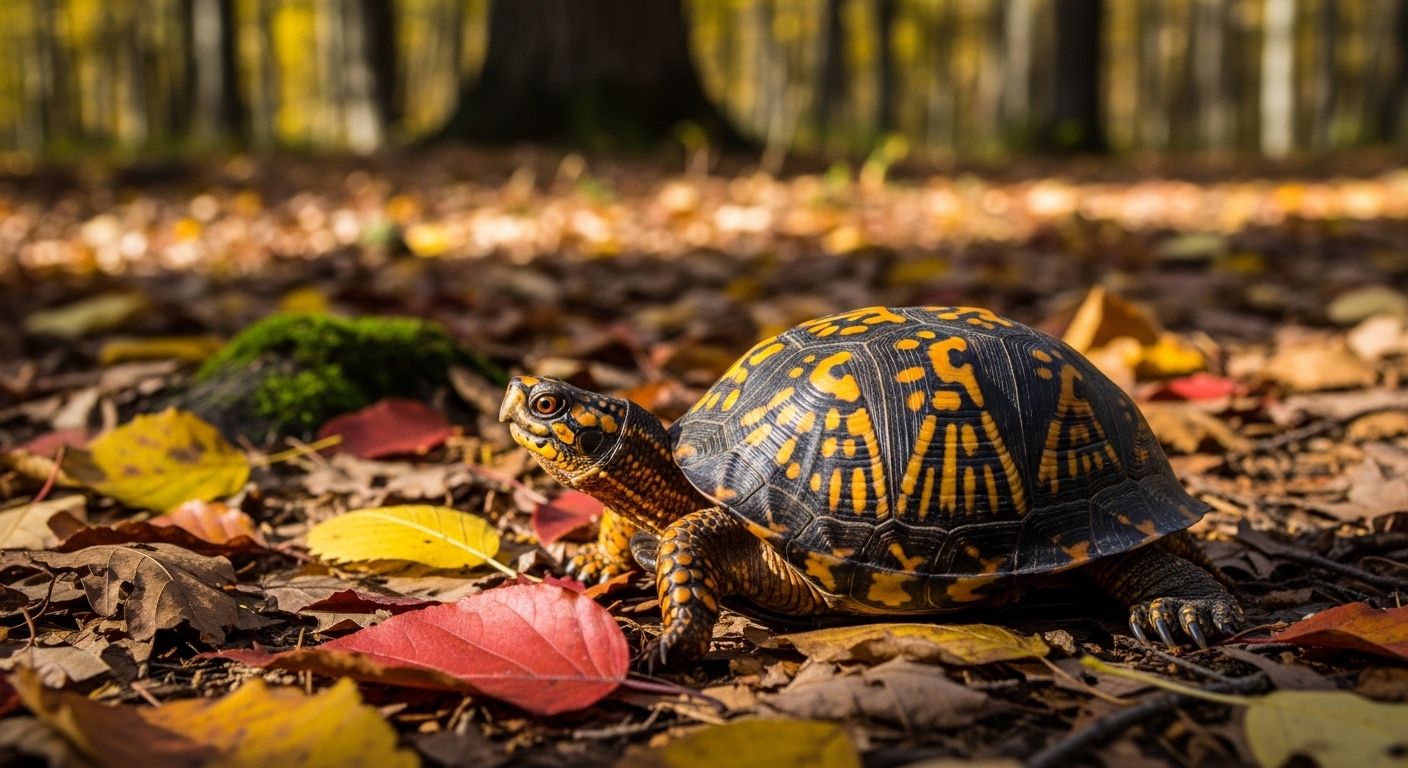
Y’all ever seen a box turtle haulin’ its little armored self across a dewy forest floor like it’s got a mortgage to pay? That slow, deliberate pace ain’t laziness—it’s intention. And if we’re gonna invite one of these ancient souls into our lives, we better honor that intention with proper box turtle housing. Forget those sad glass bowls from the ‘90s; real box turtle housing mimics the humid, leafy, sun-dappled world they evolved in. Think moist earth, hiding nooks, shallow water, and room to roam—even if “roam” just means 12 square feet of backyard or a custom-built indoor pen. These critters ain’t low-maintenance—they’re *high-trust*. And trust starts with a home that feels like home.
Outdoor vs. Indoor: The Great Box Turtle Housing Debate
If you live where winters don’t dip below freezing and raccoons ain’t throwin’ raves in your yard, outdoor box turtle housing is the gold standard. Natural sunlight, seasonal rhythms, live bugs—it’s all part of their biological GPS. But if you’re up north or in an apartment? Indoors works—if you go big. A 40-gallon breeder tank is the bare minimum for a juvenile, but adults need 75+ gallons or a custom PVC/wood enclosure [[2]]. Glass tanks trap humidity and limit airflow, so many keepers swear by plastic tubs or repurposed stock tanks. Either way, your box turtle housing must offer a thermal gradient, UVB lighting, and deep substrate for burrowing. No compromises.
Size Matters—More Than You Think
Let’s squash this myth right now: “He’s small, so a little tank’s fine.” Nope. Box turtles may move slow, but they’re wide-ranging in the wild—covering acres over a season [[5]]. In captivity, cramped box turtle housing leads to stress, shell deformities, and refusal to eat. Rule of thumb? Minimum 4 sq ft per inch of shell length. So a 6-inch adult? That’s 24 sq ft—roughly a 4x6 ft outdoor pen or a 120-gallon indoor setup [[1]]. Yeah, it sounds like a lot. But consider this: they can live 50+ years. You’re not buying a pet—you’re signing a lease for a tiny, shelled roommate who pays rent in personality.
Substrate: It’s Not Just Dirt—It’s Their Whole World
The ground beneath a box turtle’s feet is everything. In quality box turtle housing, substrate isn’t filler—it’s functional. It retains moisture, allows natural burrowing behavior, and even aids digestion if accidentally ingested (which happens when they’re munching on worms). Skip sand, gravel, or cedar chips—those cause impaction or toxicity. Instead, go for organic topsoil (no fertilizers!), coconut coir, sphagnum moss, or a mix of leaf litter and cypress mulch [[3]]. Keep it 4–6 inches deep so they can dig down during hot days or brumation. This ain’t gardening—it’s habitat engineering.
Temperature, Humidity, and Light: The Holy Trinity
You can have the fanciest logs and plants, but if your box turtle housing misses the climate trifecta, your turtle’s health tanks fast. Daytime temps should range from 70°F (cool side) to 80°F (basking zone), with nighttime dips to 65°F [[4]]. Humidity? 60–80%—especially for eastern and three-toed species. Too dry, and you get respiratory infections; too wet, and fungus moves in like a squatter. And UVB lighting? Non-negotiable. Without it, calcium metabolism fails, leading to metabolic bone disease. Use a T5 HO UVB bulb (like Arcadia 6%) and replace it every 6–12 months—even if it still glows [[6]].

Water Features: Small, Safe, and Super Important
Box turtles aren’t swimmers, but they *love* to soak. Every box turtle housing setup needs a shallow water dish—big enough for them to submerge their shell, but shallow enough to climb out easily (max 2–3 inches deep for adults) [[7]]. Sink it into the substrate so edges are flush, or line it with smooth stones for traction. Change water daily; they’ll drink, bathe, and sometimes… do other things in it. Cleanliness prevents bacterial blooms and keeps their skin healthy. Pro tip: mist the enclosure morning and night to boost humidity and simulate dew—nature’s original air freshener.
Hiding Spots & Enrichment: Because Boredom Kills Slowly
A barren enclosure is a silent stressor. In thoughtful box turtle housing, variety isn’t optional—it’s survival. These reptiles are hardwired to seek cover from predators, temperature extremes, and even bright light. Offer multiple hides: cork bark flats, overturned clay pots with entry holes, dense plantings, or commercial reptile caves. Rotate enrichment weekly—new logs, seasonal leaves, edible flowers like nasturtiums. They might seem stoic, but box turtles notice changes. Stimulation keeps their instincts sharp and their appetites strong. Remember: a curious turtle is a thriving turtle.
Seasonal Shifts: Let Nature Guide Your Setup
Wild box turtles don’t live in static environments—and neither should yours. In summer, provide extra shade and mist more often. In fall, reduce feeding and let temps drop slightly to prep for possible brumation (reptile hibernation). If you’re keeping your turtle outdoors in USDA zones 6–9, ensure soil is deep enough to burrow below frost line—or bring them inside [[8]]. Indoor box turtle housing should mimic daylight cycles: 12–14 hours of light in summer, 10–12 in winter. Ignoring these rhythms confuses their biology. Work *with* the seasons, not against them.
Common Pitfalls (and How to Sidestep ‘Em)
We’ve all been there: bought a cute baby box turtle, tossed it in a fish tank with a heat lamp, and called it good. But that’s not box turtle housing—that’s a slow fade. Top mistakes? Overcrowding (they’re solitary), using toxic woods or plastics, skipping UVB, or feeding only lettuce (nutritional disaster!). Another blunder: assuming they’re “easy” because they’re quiet. Quiet ≠ low-effort. They’re sensitive barometers of environmental health. If your turtle stops eating or stays buried for days, check your setup—not just the vet. Prevention beats cure every time.
Building the Dream Home: From Basic to Brilliant
Ready to upgrade your box turtle housing game? Start with automation: hygrometers with alerts, thermostats for heaters, drip irrigation for live plants. Go bioactive with springtails and isopods to clean waste naturally. Add native plants like ferns or clover for shade and nibbling. And always, *always* prioritize security—outdoor pens need wire mesh buried 12 inches deep to stop dig-outs and overhead netting to deter hawks. This journey isn’t about perfection—it’s about respect. For foundational tips, visit the Sea Turtle Farm homepage. Explore deeper setups in the Habitat category, or compare land and water needs with our guide on eastern painted turtle habitat natural look.
Frequently Asked Questions
What is the best enclosure for a box turtle?
The best box turtle housing is a spacious, secure outdoor pen in suitable climates (min. 4 sq ft per inch of shell length) with natural substrate, hiding spots, and shallow water. Indoors, use a large plastic tub or custom wooden enclosure with UVB lighting, proper heating, and deep, moist substrate.
What kind of habitat do box turtles need?
Box turtles need a box turtle housing environment that mimics temperate forests or meadows: high humidity (60–80%), temperatures between 70–80°F, access to shallow water, deep substrate for burrowing, and plenty of cover. UVB exposure and seasonal light cycles are also essential for long-term health.
How to make a habitat for a box turtle?
To build proper box turtle housing, start with a large, escape-proof enclosure. Line it with chemical-free soil or moss, add logs and plants for cover, install a shallow water dish, and provide a basking area with heat and UVB lighting. Maintain humidity through misting and ensure a temperature gradient throughout the space.
How big of a tank does a box turtle need?
A box turtle needs a minimum of 4 square feet of floor space per inch of shell length. For an average 6-inch adult, that’s at least 24 sq ft—equivalent to a 120-gallon tank or a 4x6 ft outdoor pen. Standard aquariums are often too small and lack proper airflow for healthy box turtle housing.
References
- https://www.boxturtlecare.com/housing-guidelines
- https://www.thesprucepets.com/box-turtle-enclosure-setup-1237255
- https://lafeber.com/vet/wp-content/uploads/Box-Turtle-black-white.pdf
- https://www.reptifiles.com/eastern-box-turtle-care-sheet/
- https://www.wildlife.ca.gov/Conservation/Animals/Native-Reptiles/Box-Turtle
- https://www.arizonaturtlerescue.org/husbandry-guidelines
- https://www.tortoiseforum.org/threads/box-turtle-water-requirements.123456/
- https://www.northeastturtles.org/uploads/3/0/4/3/30433006/teca_bmps_030623.pdf
- https://www.centralmsturtlerescue.com/-box-turtle-habitat-guidelines.html
- https://alabamawildlife.org/oc-box-turtle-habitat/
- https://www.mariposavet.com/care-box-turtles/
- https://wildwoodvet.com/animal-care-sheet/box-turtles/
- https://www.herpaderp.org/care/box-turtle
- https://zoomed.com/north-american-box-turtle/
- https://www.tortoisetown.com/box-turtle-habitat/
- https://artofstonegardening.com/creating-box-turtle-habitat-backyard-wildlife-gardening
- https://www.wikihow.com/Create-an-Indoor-Box-Turtle-Habitat
- https://tatianastinyzoo.com/2025/01/17/how-to-make-an-outdoor-tortoise-habitat/
- https://keen-nitrogen.mystagingwebsite.com/learn-about-box-turtles-and-their-habitat/
- https://www.facebook.com/groups/WVNatureAndWildlife/posts/8777952295662448/